From the file. Written for the paper dated May 2021. Opened in the public stacks July 14, 2026.
As the redistricting process unfolds across the United States in 2021, it raises critical questions about the integrity of our democratic institutions and the extent to which they protect themselves from partisan manipulation.
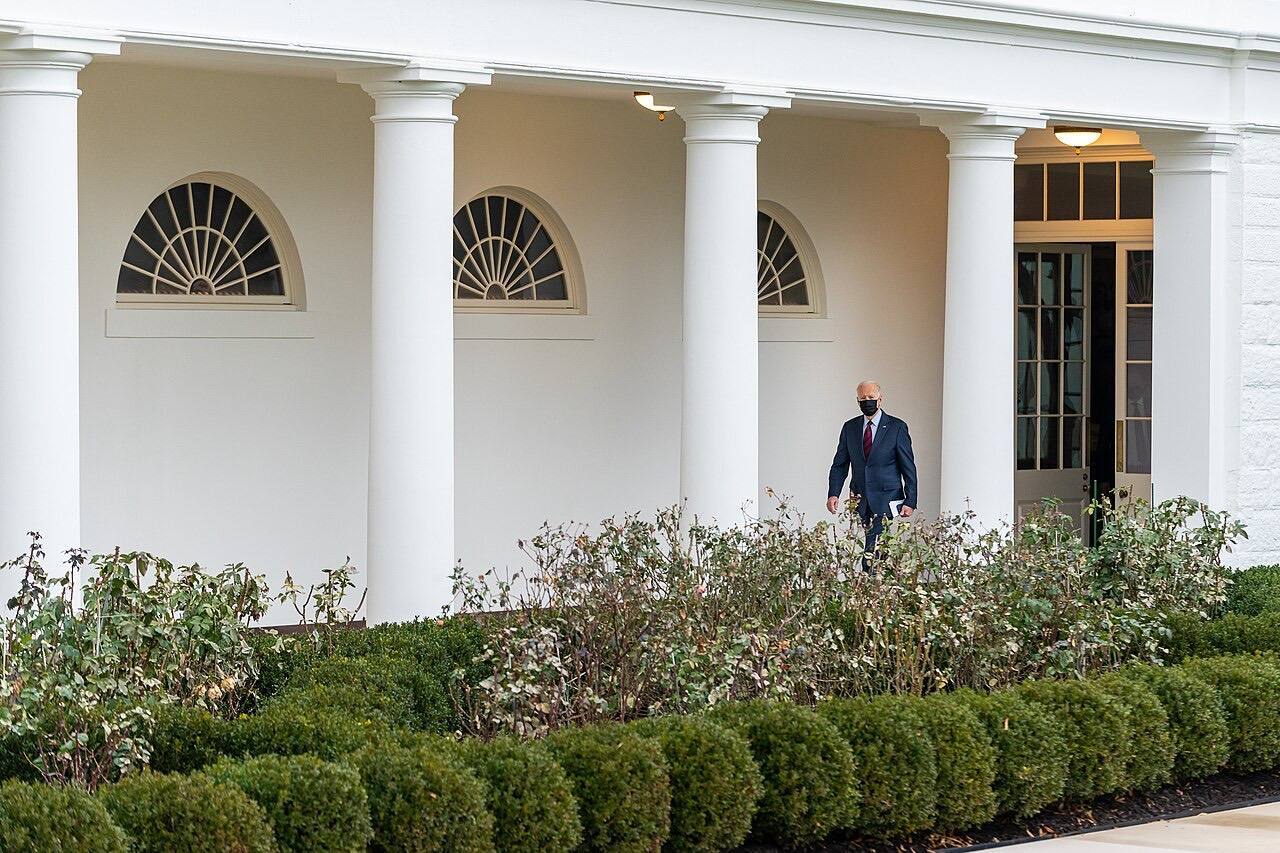
The Redistricting Landscape
Every ten years, following the census, states engage in the redistricting process, which involves redrawing electoral district boundaries. This year, the stakes are higher than ever, as both major political parties scramble to assert their dominance through strategic mapping. What is often lost in the shuffle is how these institutional practices can undermine democratic principles by prioritizing party loyalty over the public good.

In many states, redistricting has become a game of chess, where the players are political operatives armed with sophisticated data analytics. The aim? To create districts that favor one party over another, often at the expense of fair representation. This practice, known as gerrymandering, has reached new heights, prompting both sides of the political spectrum to engage in what can only be described as an arms race of electoral manipulation.
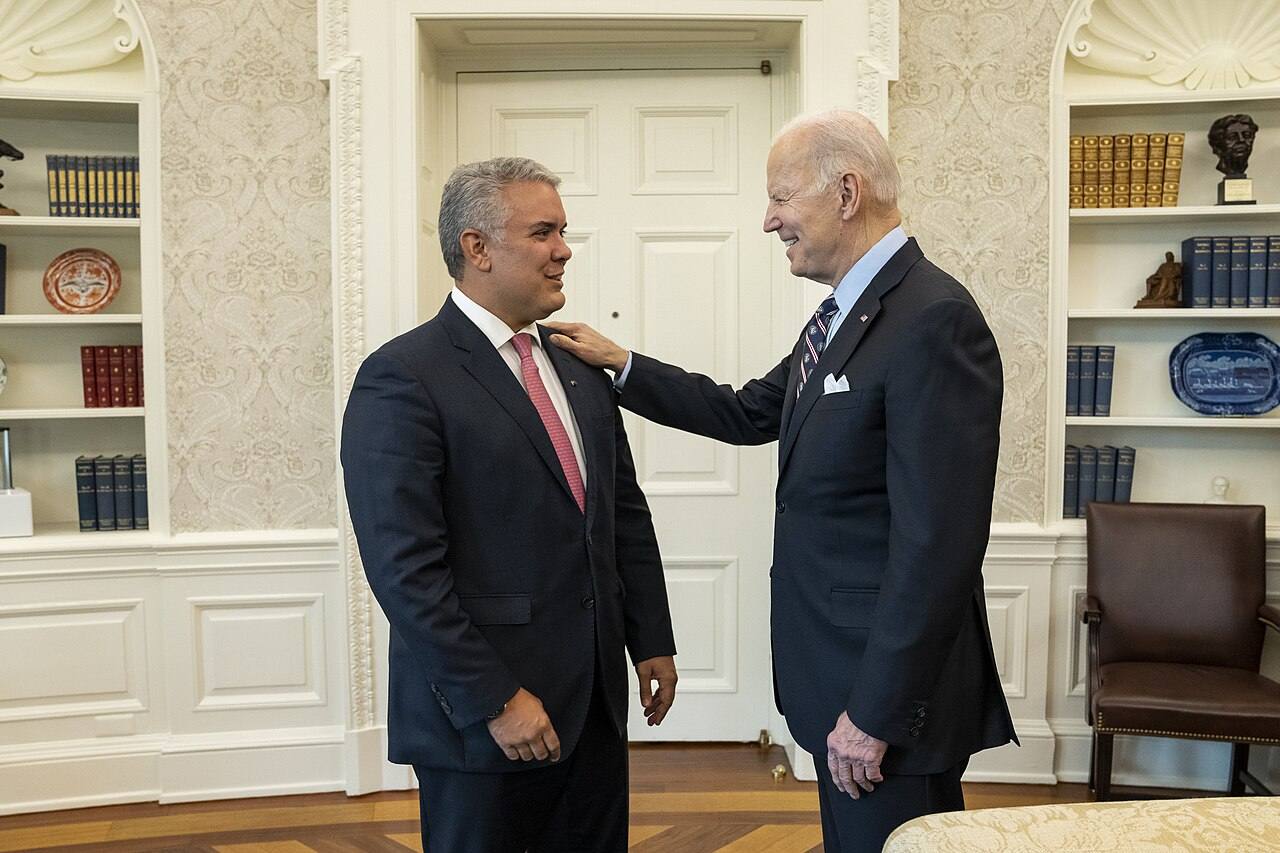
"Redistricting should be about fairness, not a tool for political gain."
Partisan Strategies at Work
On one side of the aisle, Democrats are working to ensure that urban areas, which tend to lean more liberal, are effectively represented. Conversely, Republicans are focused on consolidating their power in rural districts, which often favor conservative candidates. Both parties are guilty of employing tactics that prioritize their electoral success over the principles of democracy.
As the lines between fair representation and partisan advantage blur, the question arises: who is looking out for the average voter? The answer, unfortunately, is often no one. When redistricting becomes a partisan sport, it leaves little room for the voices of everyday citizens, who find themselves disenfranchised as their representation is diluted in favor of party agendas.
The Role of Independent Commissions
In response to these concerns, some states have begun to implement independent redistricting commissions. These bodies aim to take the politics out of district drawing, providing a more transparent and equitable process. However, the effectiveness of such commissions often varies significantly from state to state, and their establishment has sparked fierce debate within both parties.

Critics argue that independent commissions, while a step in the right direction, can still fall prey to biases inherent in the political landscape. The challenge lies in ensuring that these commissions are truly independent and not merely functioning as another cog in the partisan machine. As it stands, the integrity of the electoral process hinges on the ability of these commissions to operate without undue influence.
Institutional Self-Preservation
At its core, the redistricting debate reflects a broader issue of institutional self-preservation. Both political parties have a vested interest in maintaining their power and influence within the system, often at the expense of the very democracy they claim to uphold. This self-serving behavior has led to a cycle of disillusionment among voters, who increasingly see their representatives as out of touch with their needs and concerns.
As institutions prioritize their longevity over accountability, the public grows weary. The apathy that results from this disconnect can have dire consequences for the health of our democracy. When citizens feel disenfranchised, they are less likely to engage in the political process, leading to lower voter turnout and a government that is less representative of the populace.
Finding Common Ground
In the midst of this turmoil, it is essential for both sides of the political spectrum to recognize the need for reform. Rather than doubling down on tactics that prioritize party interests, a collaborative approach is necessary to ensure that the redistricting process serves the people rather than the politicians. This might include further exploration of independent commissions or the establishment of stricter regulations on how district lines are drawn.
Ultimately, the goal should be to create a system that fosters fair representation and encourages public participation in the electoral process. It is imperative that both parties move beyond their team jerseys and recognize that the health of American democracy relies on the integrity of its institutions.
✦ ✦ ✦