From the file. Written for the paper dated April 2021. Opened in the public stacks July 14, 2026.
In the current political climate, the importance of reading primary sources has never been more crucial. Both the left and right exhibit tendencies to sensationalize or misinterpret information to fit their narratives, often leading to a fractured understanding of the issues at hand.

The Dangers of Confirmation Bias
Confirmation bias is a term that has gained traction in recent years, especially in political discourse. It refers to the tendency for individuals to favor information that confirms their existing beliefs while disregarding information that contradicts them. This phenomenon is evident across the political spectrum, and it has become increasingly detrimental to informed public debate.
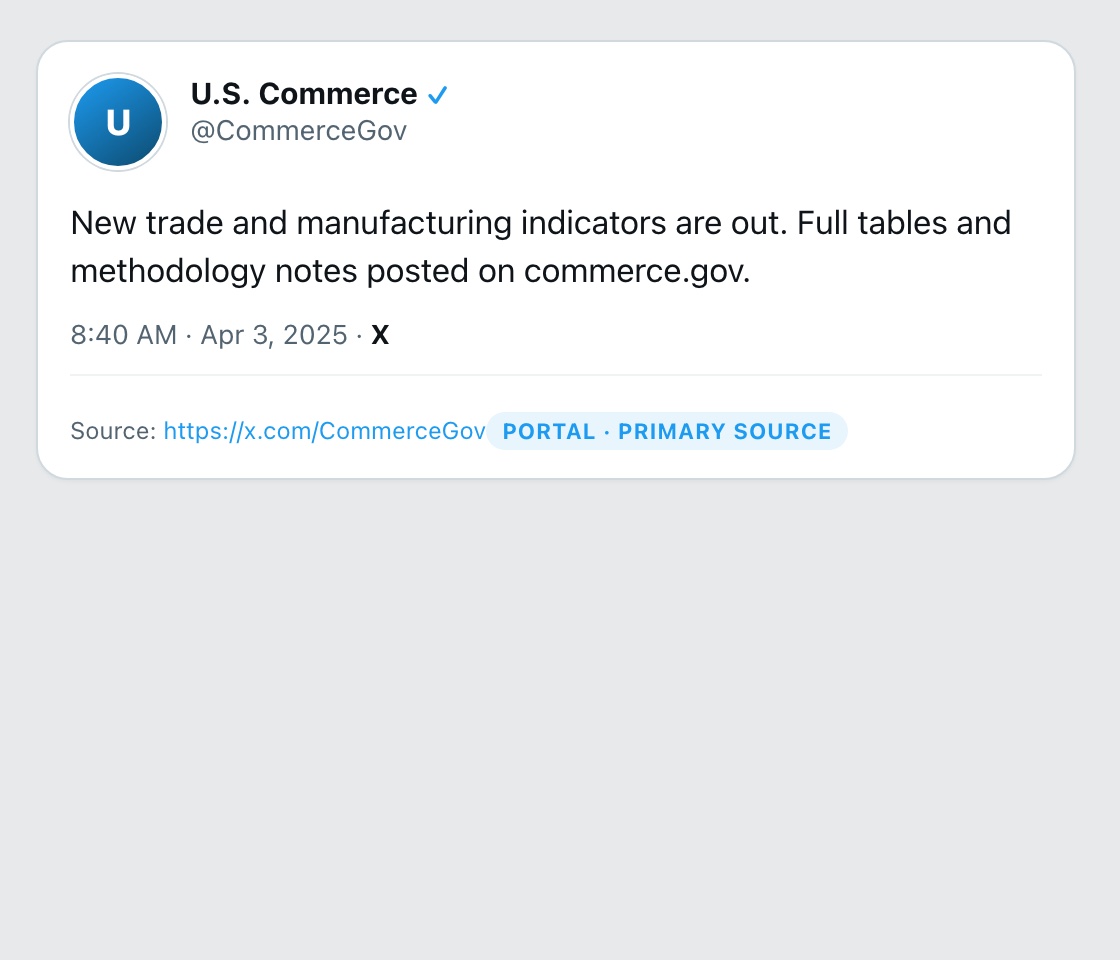
On the left, there is a tendency to elevate emotional appeals over rational arguments. While issues like climate change and social justice are undoubtedly critical, the left sometimes resorts to alarmist rhetoric that can alienate potential allies. Rather than engaging in thoughtful dialogue, some progressives opt for blanket condemnations of opposing viewpoints, which only serves to deepen divisions.

Conversely, the right often leans into populist narratives that prioritize simplicity over nuance. The appeal to a 'common sense' understanding of complex issues can lead to the oversimplification of important topics such as immigration and healthcare. By framing these issues in black-and-white terms, conservative voices risk alienating those who might otherwise be open to dialogue.

Incentives to Misinterpret
Both sides face significant incentives to misinterpret primary sources. For the left, the push for progressive change often leads to an urgency that can compromise accuracy. In the race to mobilize supporters, there is a temptation to cherry-pick statistics or quotes that bolster their argument while ignoring those that do not. This can create a feedback loop where misinformation proliferates, further entrenching partisan divides.
On the right, the incentive structure is similarly skewed. In an era where media outlets are often aligned with specific political objectives, there is a strong motivation to present information in a way that supports a particular ideology. This can lead to the promotion of conspiracy theories or the dismissal of legitimate critiques as 'fake news,' which undermines trust in the press overall.
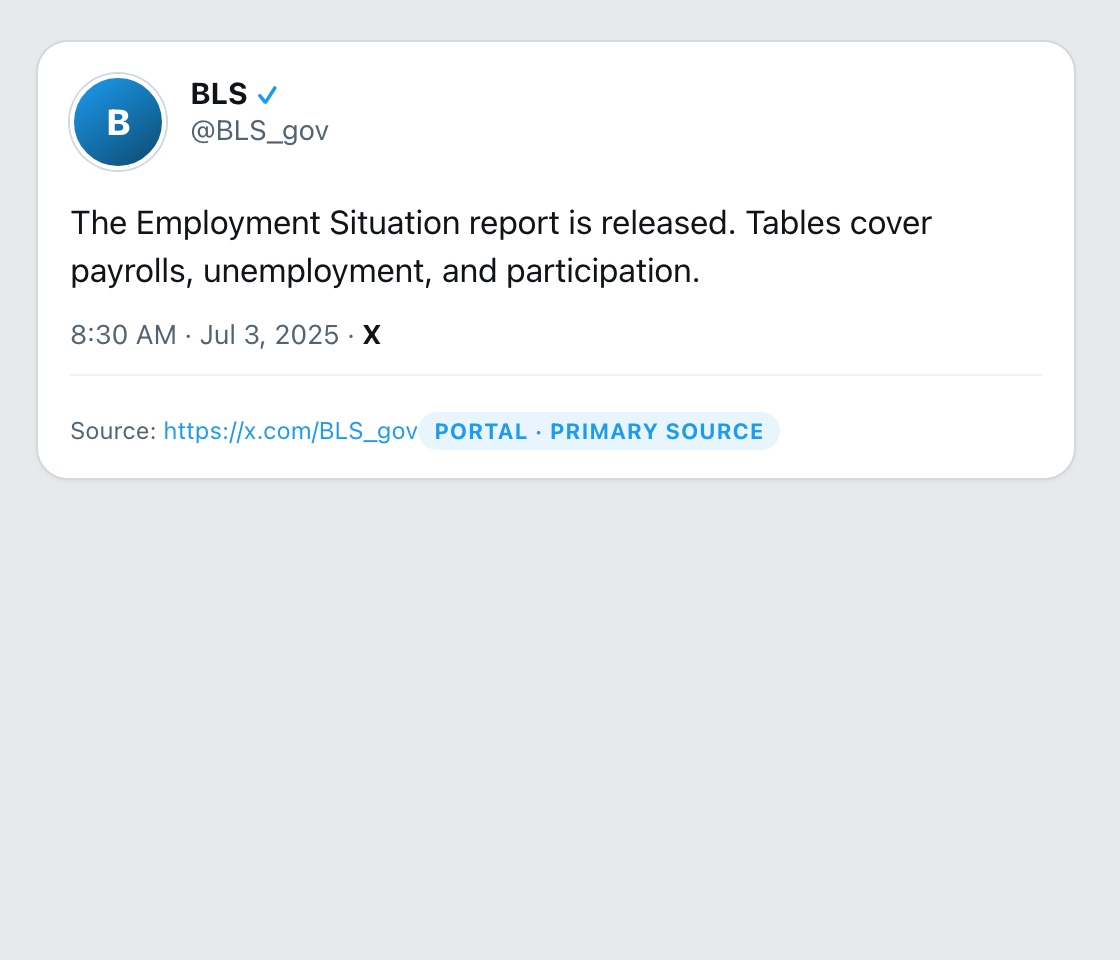
"In the race to mobilize supporters, there is a temptation to cherry-pick statistics or quotes that bolster their argument while ignoring those that do not."
The Role of Primary Sources
The remedy to this problem lies in a collective commitment to engaging with primary sources. These are the original documents, recordings, or artifacts that provide firsthand accounts of events or ideas. By examining these sources, individuals can form their own conclusions rather than relying on the often skewed interpretations of pundits or party leaders.
For instance, when discussing the efficacy of various public health measures, it is vital to look at studies published in peer-reviewed journals rather than relying solely on headlines or sound bites. Engaging directly with the data allows for a more nuanced understanding of the topic and can pave the way for constructive discussions that transcend partisan divides.
Practical Steps for Engagement
To foster a healthier political discourse, both sides must take concrete steps to engage more thoughtfully with primary sources. Here are some practical recommendations:
Conclusion
The current political landscape is fraught with challenges, yet it also presents an opportunity for growth. By committing to the careful examination of primary sources and encouraging a culture of informed dialogue, we can begin to bridge the divides that plague our society. Both the left and right have a responsibility to rise above the noise and engage in meaningful conversations that reflect the complexity of the issues we face.
✦ ✦ ✦