From the file. Written for the paper dated March 2021. Opened in the public stacks July 14, 2026.
In a world where information is often distilled into sound bites and headlines, the importance of engaging with primary sources cannot be overstated. Yet, as we navigate a politically charged landscape, both sides of the aisle seem to be donning their team jerseys, selectively interpreting data to fit their narratives.

Understanding the Source
Primary sources - the raw materials of history - offer invaluable insights into events, ideologies, and individual experiences. They include documents, speeches, interviews, and firsthand accounts that provide context and nuance often missing from secondary interpretations. In a moment where information is weaponized, reading these sources with a critical eye becomes essential.
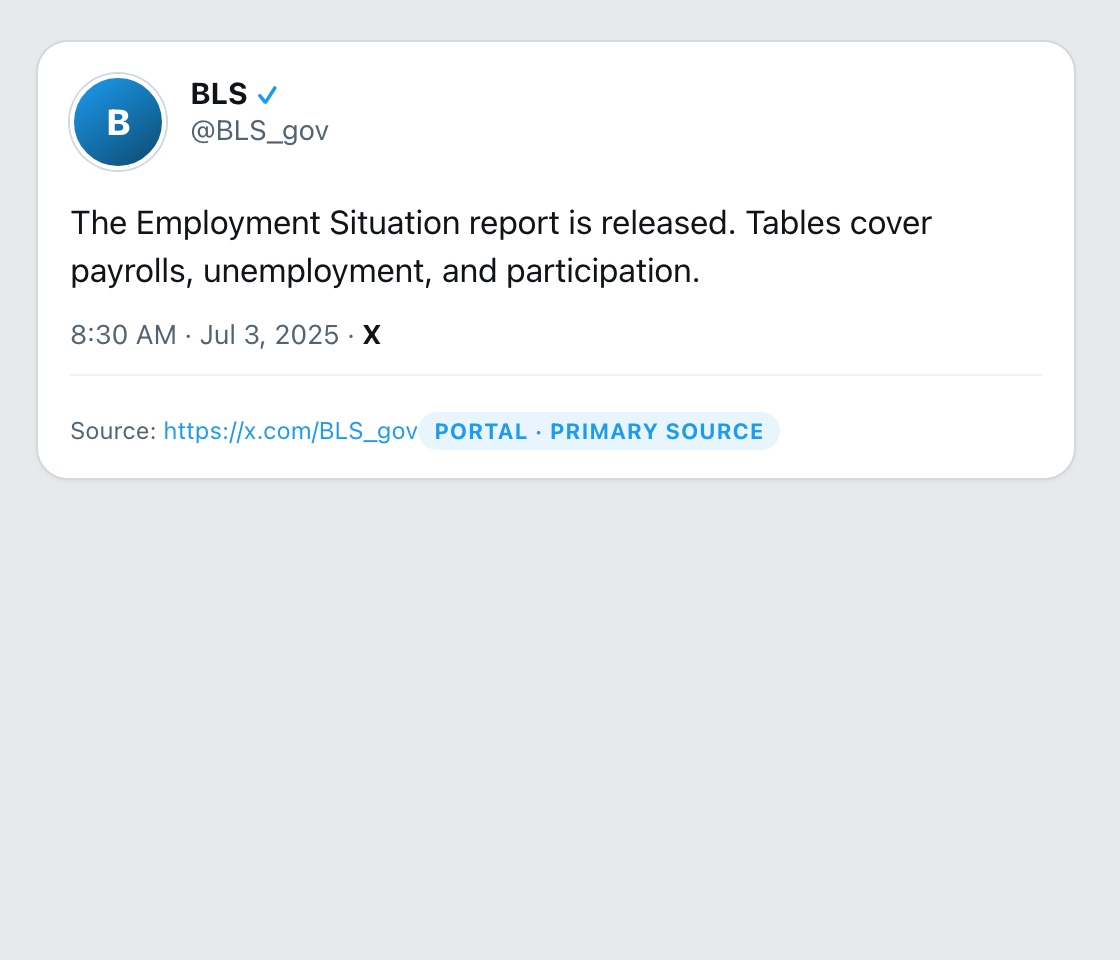
However, a troubling trend has emerged: the tendency for individuals, particularly those steeped in partisan rhetoric, to engage with primary sources not as neutral observers but as advocates for their respective causes. This results in a skewed understanding of the information, where inconvenient facts are either ignored or recontextualized to serve a specific agenda.

“The danger lies in the selective reading of primary sources, which can lead to a distorted view of reality.”
Left and Right: A Shared Blind Spot
On the left, we often see a preoccupation with social justice narratives that can overshadow the complexities of historical events. Take, for instance, discussions surrounding the Civil Rights Movement. While it is crucial to highlight the struggles and victories of marginalized communities, an exclusive focus on these perspectives can lead to an oversimplified narrative that neglects the broader societal context in which these movements occurred. Primary sources from the era reveal a multitude of voices and motivations - some of which do not fit neatly into contemporary frameworks of oppression and resistance.
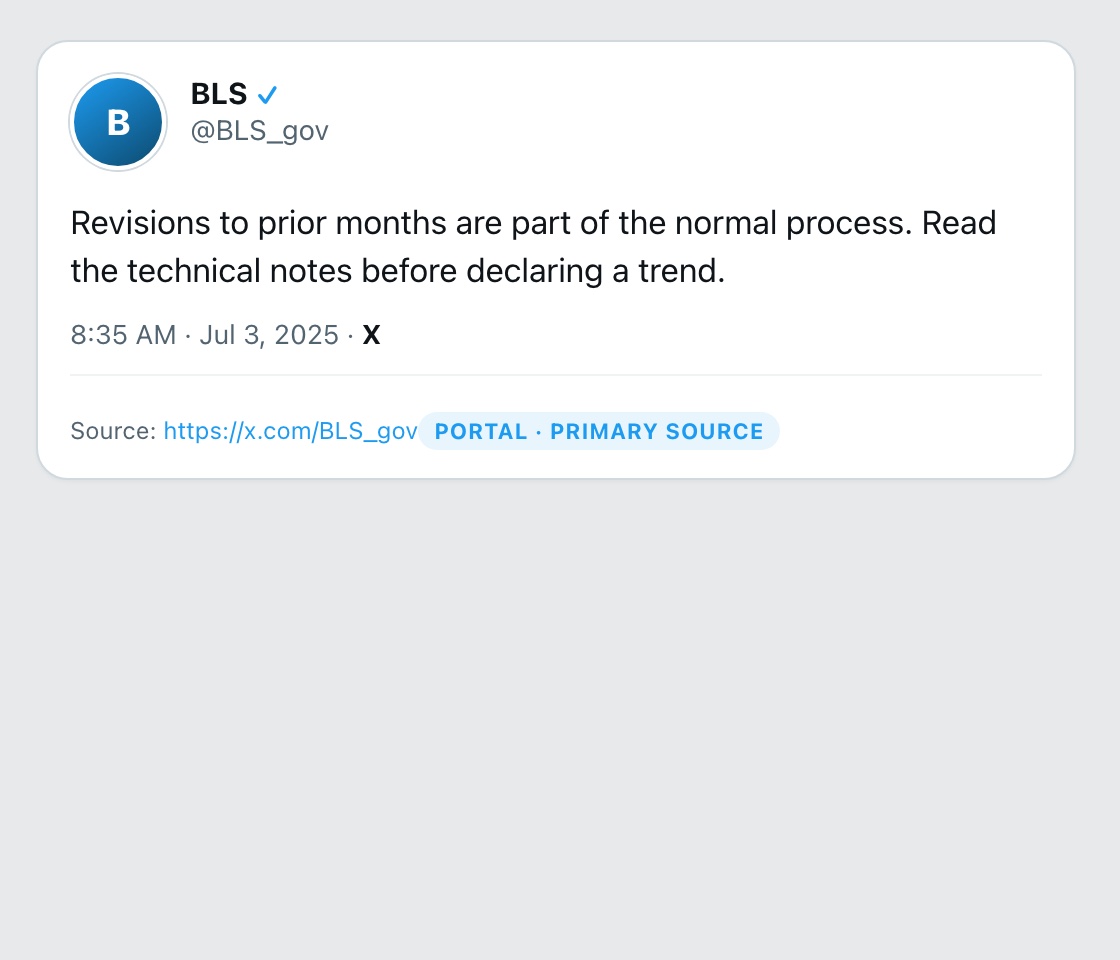
Conversely, the right often leans into a narrative that emphasizes individualism and personal responsibility, sometimes at the expense of recognizing systemic issues. When examining sources from periods of economic turmoil or social upheaval, there is a tendency to overlook the role that structural factors play in shaping individual experiences. By cherry-picking quotes from historical figures that align with their views, some on the right may inadvertently ignore the complex interplay of societal forces that contribute to the challenges faced by individuals.
The Art of Critical Engagement
To truly benefit from primary sources, readers must approach them with an open mind and a willingness to grapple with contradictions. This means recognizing that history is rarely black and white. Engaging with primary sources should involve asking critical questions: What perspective is being presented? Who created this document, and what were their motivations? What voices are missing from this narrative?

In the current political climate, where misinformation spreads like wildfire, the responsibility lies with each of us to sift through the noise. Engaging with primary sources in a discerning manner allows for a richer understanding of our world - one that transcends partisan divides.
Conclusion: Bridging the Divide
As we continue to navigate a polarized environment, it is imperative that we strive for a more nuanced approach to understanding our history and current events. This involves acknowledging that both left and right have their blind spots and that the truth often resides in the gray areas between extremes. By cultivating a practice of critical engagement with primary sources, we can begin to bridge the divide that has come to characterize our political discourse.
In doing so, we move beyond the team jerseys and towards a shared understanding of the complexities that define our collective narrative. Only then can we hope to foster a more informed and empathetic society, capable of tackling the challenges that lie ahead.
✦ ✦ ✦