From the file. Written for the paper dated March 2021. Opened in the public stacks July 14, 2026.
As the pandemic continues to reshape the landscape of public health, the recent FDA approvals have become a focal point of both optimism and skepticism. While the rush to authorize vaccines and treatments is commendable, there are critical aspects of the approval process that often get lost in the shuffle.
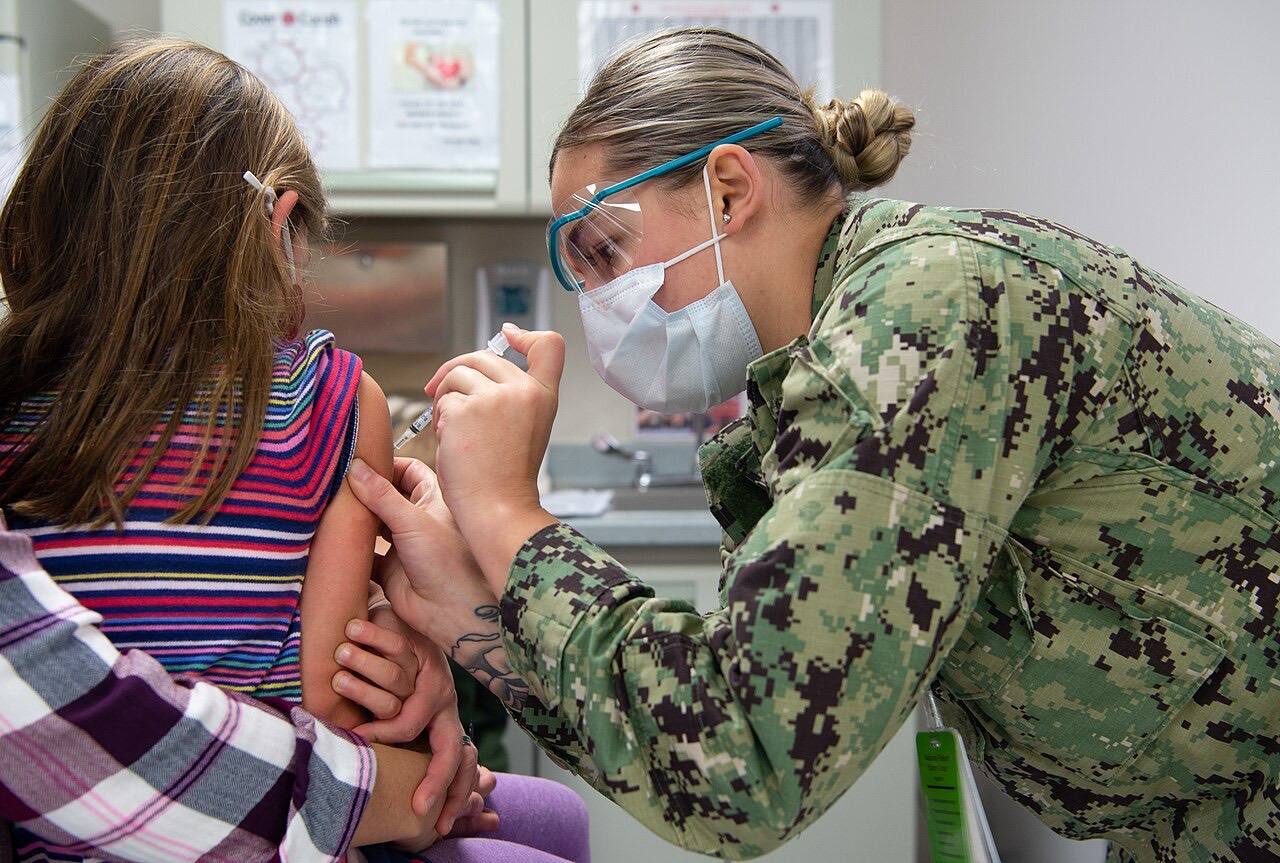
The Approval Process: A Double-Edged Sword
In recent months, we have witnessed an unprecedented speed in the FDA’s approval of COVID-19 vaccines and treatments. While this rapid response has been lauded for its urgency, it raises questions about transparency and thoroughness. The FDA has the monumental task of balancing public health needs with the rigorous scientific scrutiny that is essential for ensuring safety and efficacy. Yet, as these approvals roll out, the details behind the decisions often remain buried beneath the headlines.

The process of granting approval typically involves extensive clinical trials, but the public is seldom privy to the complete data from these studies. As a result, the nuances of how decisions are made often fall to the wayside. For instance, the specific reasons why certain populations are excluded from trials or how potential side effects are weighed against benefits can be obscured from public view. This lack of clarity can lead to distrust and speculation, especially among groups already skeptical of government health agencies.

"We need to ensure that transparency is not just a buzzword but a practice that fosters trust in the FDA."
Voices from Both Sides
The polarization surrounding public health measures is as pronounced as ever. On one side, we have advocates who argue that the FDA should prioritize speed over caution, asserting that any delay in approval could cost lives. On the other hand, critics warn that rushing through approvals without adequate transparency can lead to dire consequences. This divide leaves many Americans in a precarious position, caught between the urgency of the pandemic and the anxiety of unverified treatments.
One of the most pressing concerns is the communication strategy employed by the FDA. While officials may provide updates on approval statuses, the accompanying rationale is often glossed over or simplified. This can lead to confusion and misinformation, especially among populations most affected by health disparities. When health communications lack depth, it becomes challenging for individuals to make informed decisions about their health.
The Role of Data in Decision-Making
Data transparency is an issue that should concern everyone, regardless of political affiliation. The FDA’s approval process relies heavily on data submitted by pharmaceutical companies, which, while necessary, can lead to conflicts of interest. The push for expedited approvals can overshadow the need for independent verification of the data presented. Critics from both the left and right have pointed out that this reliance can compromise the integrity of the approval process.

A bipartisan call for more rigorous independent assessments of data has emerged, emphasizing the need for scientific integrity. Advocates for more cautious approaches argue that the FDA must not only approve drugs but also ensure that the information provided to the public is comprehensive and scientifically sound. This approach can help build the necessary trust that is essential for effective public health strategies.
Balancing Regulation and Innovation
The dilemma faced by the FDA is emblematic of a broader struggle between regulation and innovation. While the need for swift vaccine development has been clear, so too has the need for a regulatory framework that does not compromise safety. The FDA must navigate these waters carefully, as the stakes are incredibly high. Any misstep can have far-reaching consequences, not just for public health, but for the credibility of the agency itself.
Moreover, the response from the public has been varied. Some have embraced the rapid approvals as a sign of progress, while others have expressed skepticism about the thoroughness of the review process. This skepticism is not unfounded; historical examples of rushed approvals leading to adverse outcomes serve as cautionary tales that resonate with many. The challenge now is to ensure that the FDA can maintain its credibility and authority while responding to the urgent needs of the population.
Conclusion: Finding Common Ground
As the nation continues to grapple with the pandemic, it is crucial that we foster an environment where open dialogue about FDA approvals can thrive. Both sides of the political spectrum must acknowledge the critical importance of transparency in the approval process. Without it, the potential for misinformation and mistrust will only grow, undermining the effectiveness of public health initiatives.
Ultimately, the FDA must find a way to communicate its processes and decisions effectively, ensuring that the public is not left in the dark. Only then can we hope to bridge the divide and work together towards a healthier future.
✦ ✦ ✦