From the file. Written for the paper dated January 2021. Opened in the public stacks July 14, 2026.
In an age defined by polarization and the clamor of competing narratives, the field of materials science is experiencing a curious phenomenon: a growing appetite for certainty. This quest for definitive answers, while appealing, raises questions about the implications of such a mindset in an inherently complex discipline.

The Allure of Certainty
As we navigate a world rife with conflicting information, the allure of certainty has never been stronger, especially within scientific realms. Materials science, the study of the properties and applications of materials, is often perceived as a bastion of objective truth. Researchers working with metals, polymers, and ceramics are expected to deliver clear-cut results that can be reliably replicated. This expectation, however, can lead to a narrow view of science that emphasizes black-and-white conclusions over the nuanced grey areas that often characterize real-world research.
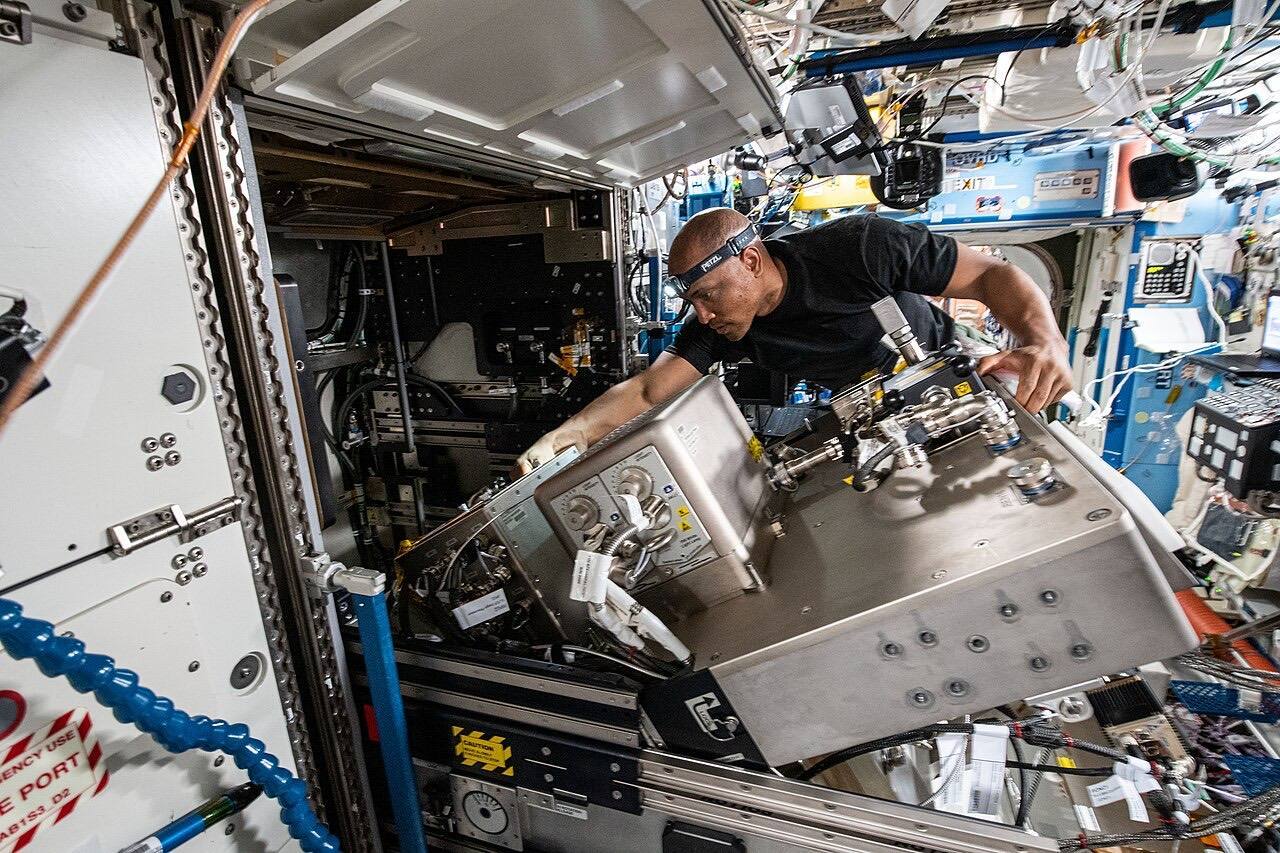
This trend is visible in the way research findings are communicated. The pressure to produce clear, digestible messages can overshadow the complexities inherent in scientific inquiry. Whether it is the development of new materials for electric vehicles or innovative construction technologies, the narratives surrounding these advancements often simplify the research process into bite-sized claims of success or failure. This simplification can fuel public confidence but also risks creating an environment where ongoing research efforts and their inevitable uncertainties are overlooked.
The Dangers of Overselling Certainty
On one hand, the demand for certainty can lead to significant advancements in materials science. Researchers are under pressure to produce results that will attract funding and public interest. However, this can also foster an atmosphere of exaggeration, where preliminary findings are touted as definitive breakthroughs. The consequences of overselling results can be severe, leading to misplaced investments and public disillusionment when the promised outcomes fail to materialize.
The pressure to produce clear, digestible messages can overshadow the complexities inherent in scientific inquiry.
Moreover, when certainty becomes the primary currency in scientific discourse, dissent and debate can be stifled. Those who champion alternative viewpoints or challenge prevailing theories may find themselves marginalized or dismissed. This is particularly concerning in an era where collaborative discourse is vital for scientific progress. The potential for breakthroughs often lies in the convergence of diverse ideas and approaches, but an insistence on certainty can inhibit this collaborative spirit.
A Balanced Approach to Materials Science
So how do we reconcile the desire for certainty with the realities of scientific inquiry? The answer may lie in embracing a more balanced approach to communication within the field of materials science. Researchers and institutions must prioritize transparency about the limitations and uncertainties of their work. This involves acknowledging that science is an ongoing process, and that provisional findings can lay the groundwork for future developments.

Encouraging a culture of curiosity and openness can also help foster an environment where researchers feel free to explore unconventional ideas without fear of repercussions. This will provide a platform for robust debate and innovation, essential for the advancement of materials science and its applications.
Conclusion: The Future of Materials Science
In a world increasingly characterized by extremes, the field of materials science stands at a crossroads. The quest for certainty can drive innovation and public interest, yet it also threatens to oversimplify the multifaceted nature of research. Moving forward, it is essential for researchers, institutions, and the broader public to embrace a more nuanced understanding of the scientific process. By valuing transparency and fostering open dialogue, we can cultivate a materials science community that not only advances knowledge but also instills trust and confidence in its findings.
✦ ✦ ✦