From the file. Written for the paper dated August 2021. Opened in the public stacks July 14, 2026.
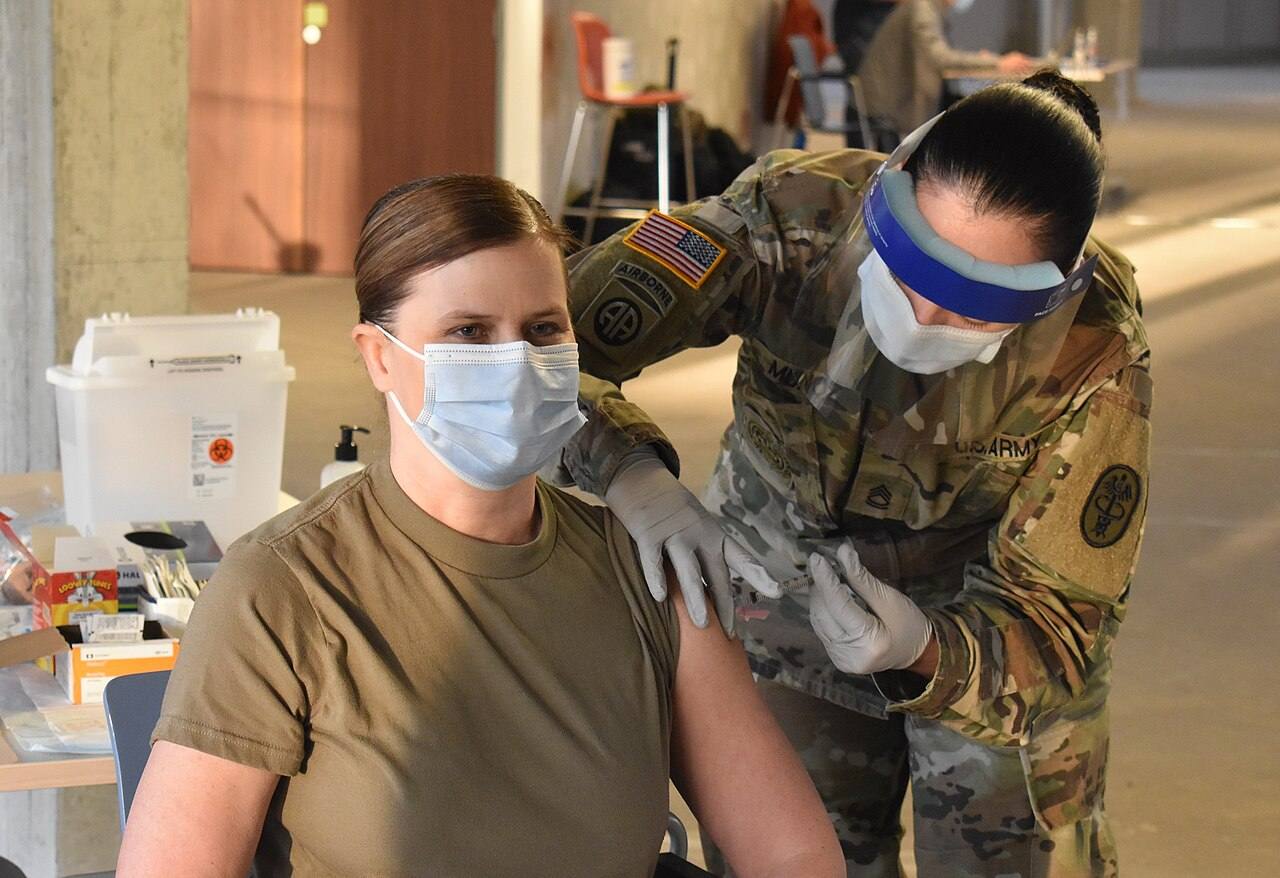
As the Delta variant of COVID-19 spreads rapidly across the United States, public health officials and policymakers are grappling with the implications of vaccination, mask mandates, and the ongoing pandemic response. The urgency of these decisions is palpable, with many questioning how to balance public health needs against individual freedoms. Unfortunately, the conversation has become increasingly polarized, with both sides of the political spectrum often resorting to theater rather than constructive dialogue.
Polarization in Pandemic Policy
In the wake of the pandemic, the hard left and hard right have created a toxic environment where tribal scorekeeping overshadows rational discourse. For those on the left, the emphasis on vaccines and mask mandates can come across as authoritarian, leading to accusations of infringing on personal liberties. On the right, a staunch anti-mask and anti-vaccine stance can be seen as reckless, prioritizing personal choice over communal responsibility. This dynamic hinders the ability to make nuanced decisions that could benefit the public as a whole.
While there is no doubt that the pandemic has exposed deep divides, it is essential to recognize that tradeoffs exist regardless of which side of the aisle one occupies. For example, the push for vaccine mandates is often framed purely as a public health measure, with advocates arguing that it is necessary to achieve herd immunity. However, this approach does not account for the valid concerns of those wary of government overreach, particularly among certain communities that have historically faced discrimination in healthcare.
The Complexity of Public Health Decisions
Moreover, the conversation around mask mandates has been similarly fraught. While many health experts advocate for masks in indoor settings, especially in areas with low vaccination rates, this recommendation is met with resistance from individuals who see it as an infringement on their personal freedoms. It is crucial to acknowledge that the effectiveness of masks, while supported by many studies, is also subject to interpretation and debate. This uncertainty further complicates the public's response and breeds distrust in health authorities.
As the Delta variant continues to surge, the need for clear, transparent communication becomes even more pressing. Health officials must navigate the complexities of public perception, ensuring that they communicate the rationale behind recommendations while addressing the concerns of those who may feel marginalized by current policies. It is not enough to simply issue mandates or guidelines; there must be an effort to engage with communities, providing education that respects their autonomy while emphasizing the importance of collective health.

Finding Common Ground
Rather than allowing tribalism to dictate the terms of the pandemic response, it is essential for leaders across the political spectrum to find common ground. This involves acknowledging that both public health and individual rights are important, and that effective policy must consider both. For example, incentivizing vaccinations through community-based initiatives rather than mandates could help bridge the divide. Engaging local leaders and trusted voices in the community may create a more receptive environment for public health messaging.
- Community engagement is critical to building trust.
- Policy decisions should consider both public health and individual freedoms.
- Transparent communication is necessary to foster understanding.
As we navigate this ongoing crisis, it is imperative that we move beyond the binary of left versus right. The pandemic has laid bare the interconnectedness of our society, where the actions of one can significantly impact the well-being of others. Acknowledging the complexities of pandemic policy without succumbing to tribal scorekeeping will be essential in fostering an environment where informed decision-making can flourish.
Conclusion
Ultimately, the goal should be to create a society that values both health and individual liberties, where the discourse around pandemic policy is characterized by empathy and understanding rather than division. As we continue to face challenges posed by COVID-19 and its variants, the emphasis must shift from partisan bickering to collaborative problem-solving. Only then can we hope to emerge from this crisis stronger and more united.
For local service context, see Brainrecoverycenters.