From the file. Written for the paper dated September 2023. Opened in the public stacks July 14, 2026.
As summer gives way to fall, the housing market continues to dominate headlines across the country, igniting fierce debates over zoning laws, interest rates, and who bears the responsibility for the ongoing crisis. Many prospective homebuyers find themselves on the sidelines, grappling with rising mortgage rates, while local governments clash with state and federal mandates on housing development.
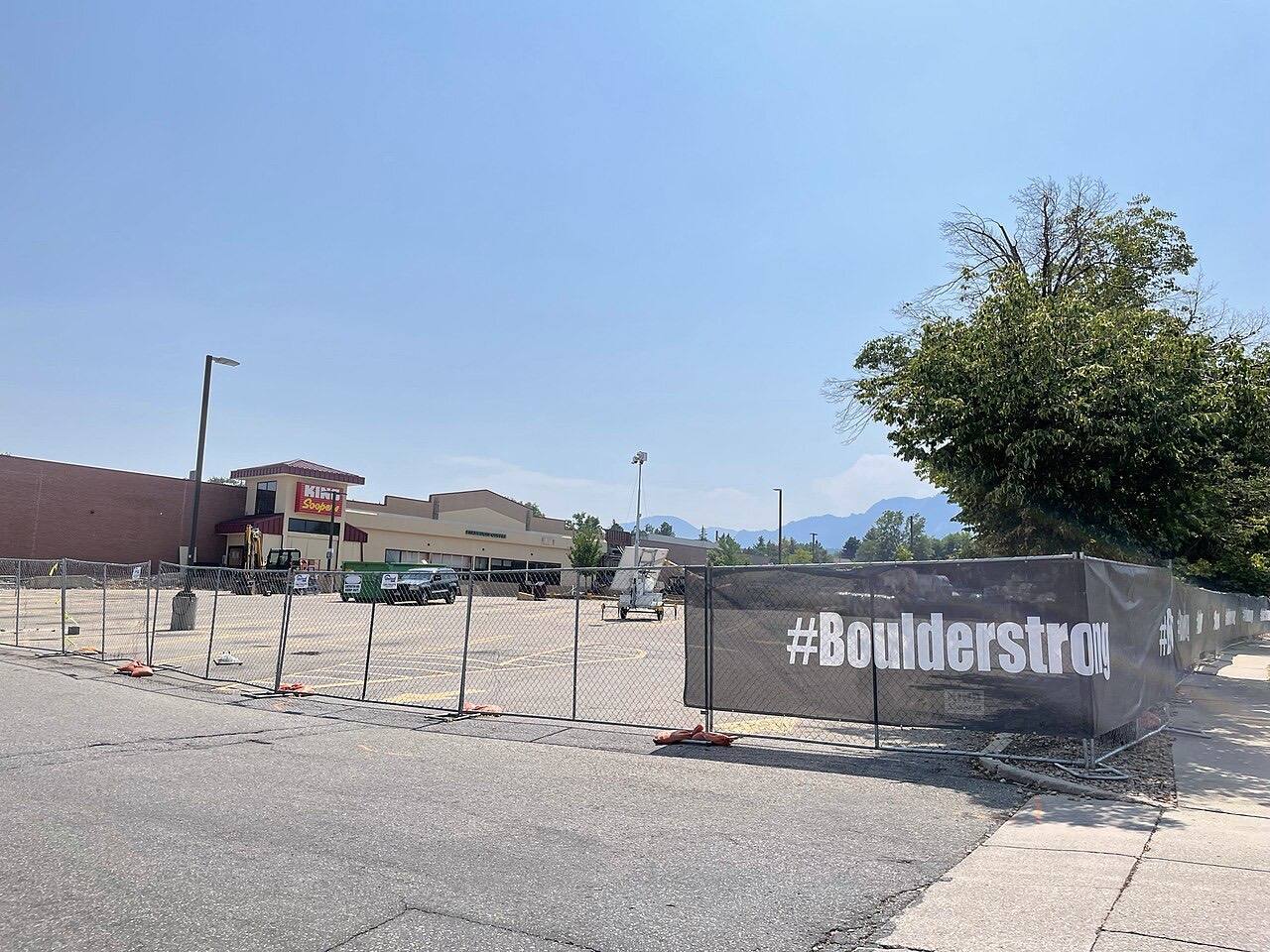
Local Zoning Battles
In communities nationwide, zoning regulations are increasingly under scrutiny. Local governments, faced with the dual pressures of affordable housing demands and neighborhood opposition, are struggling to adapt. Many cities are re-evaluating their zoning laws to allow for more multifamily homes and mixed-use developments, but pushback from residents often complicates these efforts. The NIMBY (Not In My Backyard) mentality persists, as many homeowners resist changes that they fear could alter the character of their neighborhoods.
In some areas, local councils are making strides by adopting more progressive zoning policies, but these initiatives frequently encounter legal challenges. Opponents argue that new developments could lead to overcrowding and strain on public services, while advocates claim that expanding housing options is essential for economic growth and social equity. This tug-of-war reflects a broader societal conflict over how communities can accommodate the growing population while maintaining local identity.
The Interest Rate Dilemma
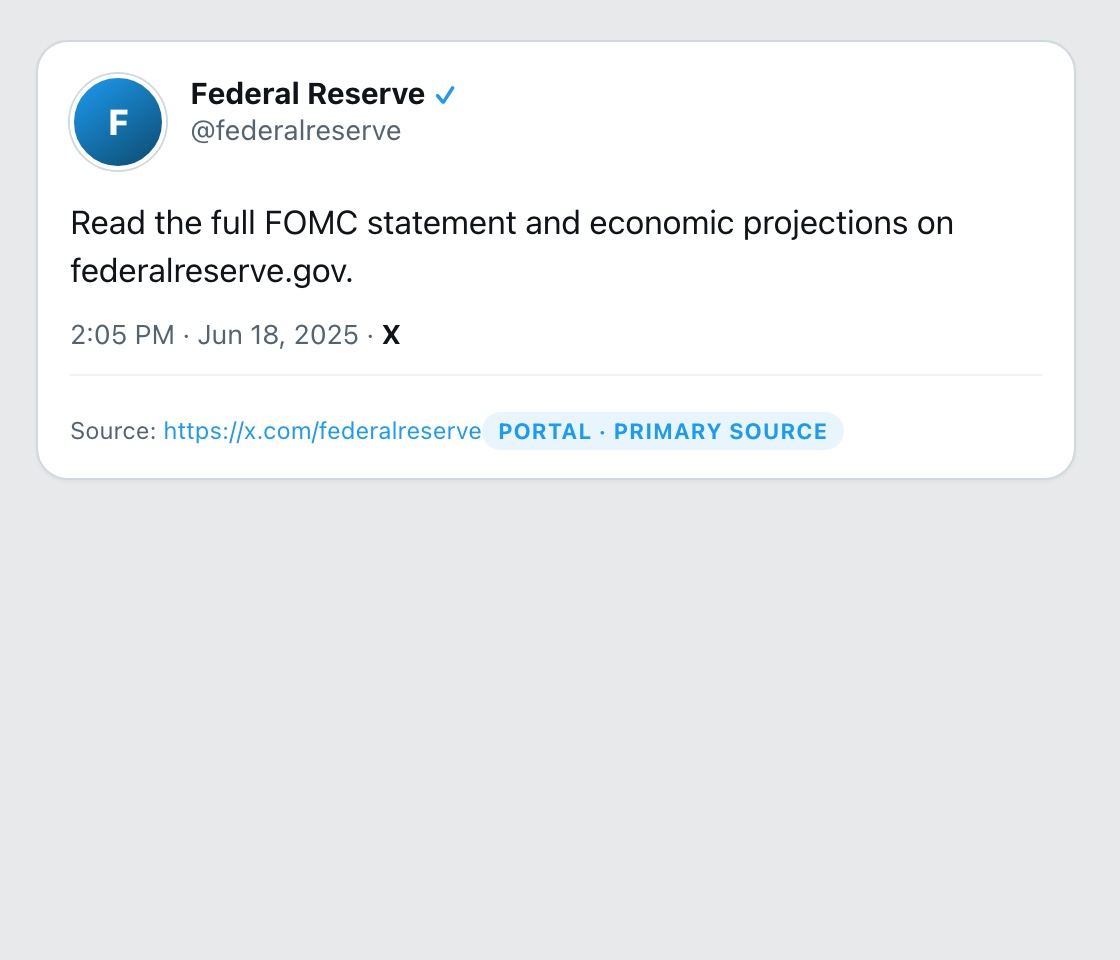
The Federal Reserve's monetary policy continues to play a significant role in shaping the housing landscape. As interest rates rise in an effort to combat inflation, potential homebuyers face increasingly unaffordable mortgage rates. Many industry experts suggest that the current rates could be a deterrent for first-time buyers, who may find themselves priced out of the market entirely. The ripple effects are evident: home sales are declining, and new construction is slowing down.
In the face of these rising costs, some buyers are opting to rent rather than purchase. This shift is contributing to a tight rental market, further exacerbating affordability issues. Landlords may take advantage of the situation by raising rents, which in turn pushes more individuals into precarious housing situations. This cycle of rising costs and shrinking options creates a perfect storm for those seeking stable housing.

Blame Cascades
With so many factors at play, the question of blame emerges. Politicians on both sides of the aisle are quick to point fingers. Progressives often criticize local governments for their slow response to zoning reforms, while conservatives may blame federal policies that exacerbate inflation and drive up interest rates. This blame game distracts from the pressing need for real solutions and compromises.
As the political theater unfolds, the realities of the housing crisis continue to impact everyday Americans. Homeownership, long viewed as a cornerstone of the American Dream, is slipping further out of reach for many. The current landscape reveals a complex interplay between local rules and national politics, creating a situation where neither side can claim a clear victory.
Future Outlook
Looking ahead, the housing market's trajectory remains uncertain. Some analysts suggest that as interest rates stabilize, the market may begin to recover, but this recovery hinges on a delicate balance between local initiatives and federal support. The ongoing discussions around zoning reforms and housing policies will be critical in shaping the future of homeownership and rental markets.
In the meantime, communities will need to grapple with the implications of their zoning decisions. Finding common ground between the need for development and community preservation is crucial. As local governments navigate these challenges, the broader political implications will continue to unfold, influencing both housing policies and electoral outcomes.
Conclusion
The current housing crisis is a multifaceted issue that requires collaboration and innovative thinking from all stakeholders. As local rules meet national politics, the dynamics will inevitably shift. The urgency for affordable housing solutions is clear, and how communities respond will define the future landscape of American housing for years to come.
For local service context, see Joneswater.