From the file. Written for the paper dated December 2020. Opened in the public stacks July 14, 2026.
In a political landscape increasingly defined by populist fervor, both the left and right have shown a tendency to overclaim, often undermining the very institutions they profess to champion.

The Allure of Populism
Populism thrives on the idea of "the people" versus "the elite," a narrative that resonates deeply in today's society. Whether it's a call for economic reforms or social justice, populist movements have gained traction by promising to reclaim power for the average citizen. However, when these movements overreach, their impact can be detrimental, leading to a backlash that erodes the institutions meant to protect democratic principles.

Excesses on the Left
On the left, the demand for systemic change has led to calls for sweeping reforms that, while well-intentioned, may not be grounded in practical reality. For instance, proposals to defund the police or dismantle certain governmental institutions without a viable replacement can sow chaos and distrust among communities. The challenge is not merely advocating for change but ensuring that such changes are feasible and do not alienate those who feel vulnerable in the face of rapid transformation.
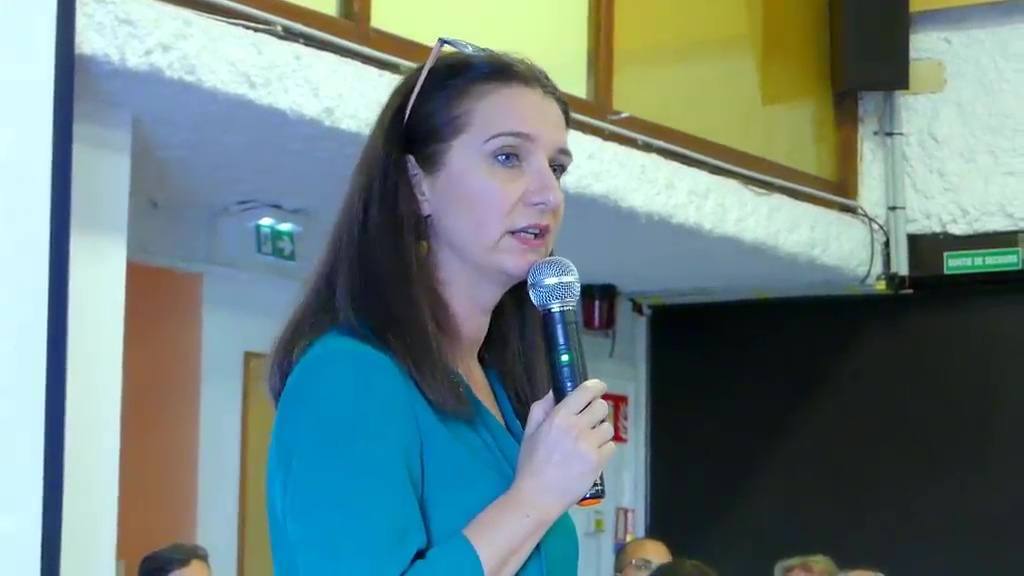
"The challenge is not merely advocating for change but ensuring that such changes are feasible."
Excesses on the Right
Conversely, the right has embraced a populist narrative that often hinges on scapegoating and division. The rhetoric surrounding immigration and national identity has taken a dangerous turn, with some leaders framing dissenting voices as enemies of the state. This overclaiming not only deepens societal divides but also undermines the institutions that safeguard democratic debate. When dissent is labeled as treason, the very fabric of democracy frays, leaving citizens to navigate a landscape rife with hostility.
Institutional Responses
In response to these populist excesses, institutions are navigating a delicate balance. They must uphold democratic values while also addressing the underlying grievances that fuel populist movements. One strategy has been to reinforce accountability mechanisms within government and law enforcement, ensuring that they serve the public rather than operate as unchecked entities. This involves not just responding to crises but also engaging in proactive dialogue with communities to rebuild trust.
The Role of Media
The media also plays a crucial role in this dynamic. By amplifying populist claims without sufficient context, outlets can contribute to the polarization that undermines institutions. Responsible journalism requires a commitment to nuanced reporting that highlights the complexity of issues rather than oversimplifying them for sensationalism. It is the responsibility of journalists to challenge populist narratives that may be misleading or harmful, fostering a more informed public discourse.
Finding Common Ground
As we navigate this tumultuous terrain, it is essential to seek common ground. Both sides of the political spectrum have valid concerns that should not be dismissed. By focusing on shared values and goals, it may be possible to bridge the divide that populism seeks to exploit. Institutions must play a proactive role in facilitating discussions that include diverse perspectives, recognizing that the strength of democracy lies in dialogue, not division.
The Path Forward
Ultimately, the challenge lies in tempering the populist impulse with a commitment to democratic processes and institutions. Overclaiming may satisfy immediate emotional needs but can have lasting repercussions for the polity. As citizens and leaders alike reflect on the current state of affairs, the emphasis should be on building a resilient democracy that can withstand the pressures of populism without sacrificing its core values.
✦ ✦ ✦