From the file. Written for the paper dated December 2020. Opened in the public stacks July 14, 2026.
As winter settles in and the uncertainty of weather patterns becomes starkly apparent, attention shifts to the accuracy and reliability of weather models. These complex systems, designed to predict atmospheric conditions, are under scrutiny as institutions grapple with their role in public safety and information dissemination.
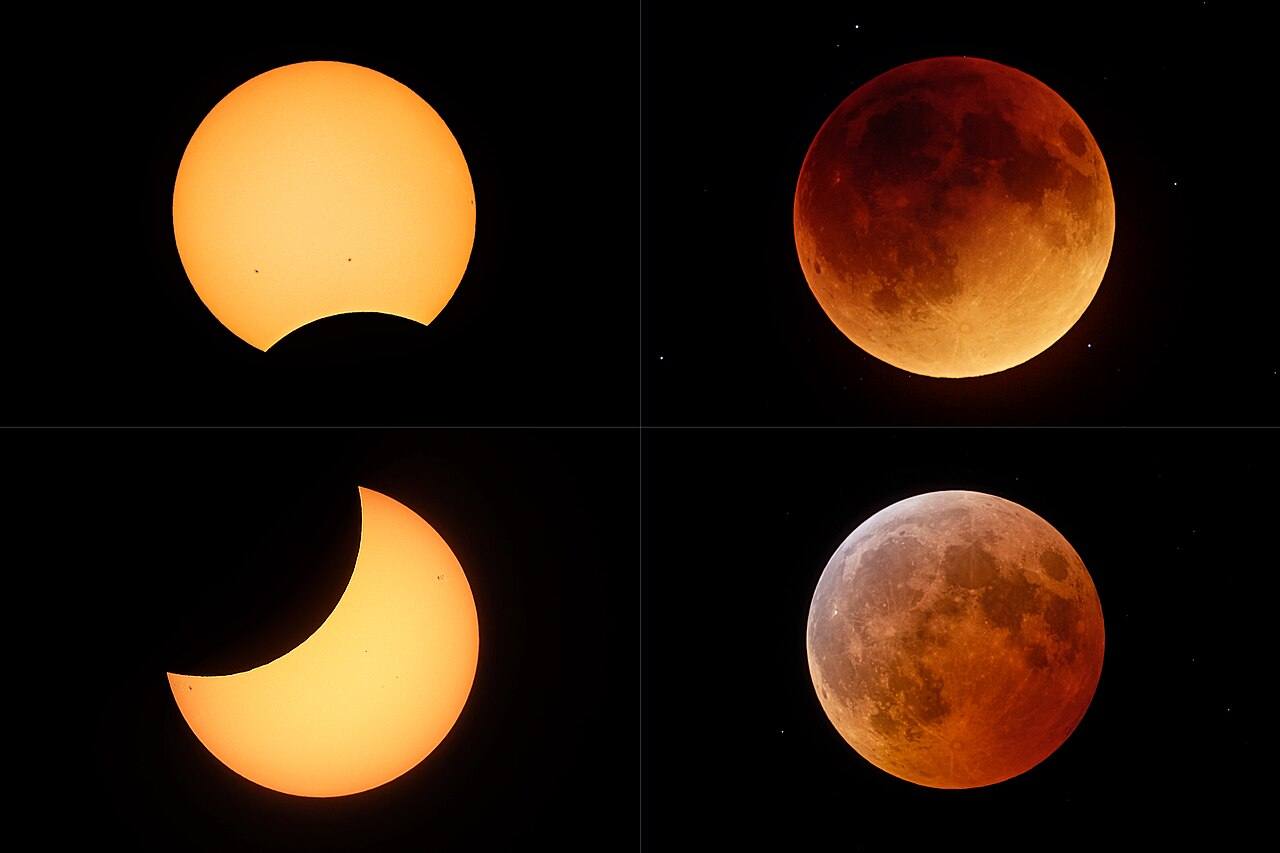
The Role of Weather Models in Public Safety
Weather forecasting has evolved significantly over the years, with models becoming more sophisticated and data-driven. Yet, as we navigate the unpredictable climate of December 2020, the question arises: how well are these models serving the public? The recent surge in extreme weather events has led many to question the reliability of these predictions. Are institutions prioritizing their reputations over the accuracy of the forecasts they provide?

There is a delicate balance between presenting a worst-case scenario and providing reassurance. As storms approach, meteorological agencies are often caught in a tug-of-war between caution and optimism. When a forecast predicts severe weather, the stakes are high - public safety is on the line. However, if the models overstate the severity, it could lead to public panic and erode trust in these institutions.
"In the age of information, the public demands accuracy, but institutions often hedge their bets to protect themselves."
The Existing Framework and Its Limitations
Current weather models rely on vast amounts of data collected from satellites, radar systems, and ground stations. This information is processed using complex algorithms to produce forecasts. Yet, these models have inherent limitations. They are only as good as the data fed into them, and localized weather phenomena can be difficult to predict accurately.
As we witness the consequences of climate change manifesting in erratic weather patterns, there is pressure on institutions to continuously improve their predictive capabilities. This drive for accuracy is commendable, yet it raises concerns about the tendency to present overly cautious forecasts as a form of institutional protection.
Institutional Accountability and Public Trust
The question of accountability is paramount. When weather predictions fail to materialize - whether due to over-prediction or under-prediction - institutions often employ a defensive narrative. They emphasize the complexity of weather systems and the inherent uncertainty of forecasting. While this is true, it risks undermining public trust.

Both sides of the political spectrum have been known to exploit weather forecasts for their agendas. On one hand, climate change advocates argue for stringent regulations based on alarming predictions. On the other, skeptics may dismiss forecasts as fearmongering, citing instances where predictions did not come to pass. This polarization complicates the public's understanding and acceptance of weather models.
The Need for Transparency in Forecasting
To foster trust, meteorological agencies must embrace transparency in their forecasting processes. This includes clearly communicating the uncertainties involved and the limitations of current models. Rather than promoting a singular narrative, agencies should provide a range of possible outcomes, empowering the public to make informed decisions.
In an era where information is readily available, a more open approach could mitigate the backlash when predictions fall short. By acknowledging the potential for error and providing context, agencies can help the public understand that forecasting is not an exact science.
Looking Ahead: Balancing Precision and Public Perception
The ongoing evolution of weather models presents both opportunities and challenges. As technology advances, the potential for improved accuracy increases. However, with this advancement comes the responsibility of institutions to manage public perception. They must strike a balance between caution and optimism, ensuring that they protect public safety without stifling trust.
The future of weather forecasting relies not only on technological advancements but also on the integrity of the institutions delivering this critical information. As we face an ever-changing climate, the need for reliable weather models and transparent communication will only grow in importance.
✦ ✦ ✦