From the file. Written for the paper dated December 2020. Opened in the public stacks July 14, 2026.
In an age where immediacy reigns and outrage is just a click away, the virtue of patience stands as a quiet but powerful antidote to the chaos of our daily headlines. As we navigate through the tumultuous waters of political, social, and economic upheaval, it is worth reflecting on how our institutions - both governmental and societal - often rely on this very virtue to protect themselves and maintain stability.

The Rush to Judgment
In December 2020, with the nation grappling with a pandemic that has redefined our way of life, the impulse to react swiftly and vehemently is palpable. The left has often found itself at the forefront of calls for immediate reform - demanding swift legislative action, social justice, and accountability. However, in their fervor, there is a risk of overlooking the complexities that accompany these issues. Policies rushed through in a moment of outrage can lead to unintended consequences, undermining the very goals they seek to achieve.

On the right, there exists an equally dangerous tendency toward reactionary positions that prioritize the preservation of the status quo over the need for reform. The mantra of “law and order” has been wielded as a shield against the necessary discussions surrounding inequality and systemic injustice. Rather than engaging in meaningful conversations about these pressing issues, there is often a retreat to slogans and sound bites that stifle deeper understanding and compromise.

Institutions and Their Guardrails
Amidst this backdrop of fervent debate, institutions - whether they are governmental, educational, or corporate - often operate under the principle of patience as a protective mechanism. These entities are designed to withstand the ebb and flow of public opinion and political pressure. Their structures are often inherently conservative, favoring stability and caution over radical change.
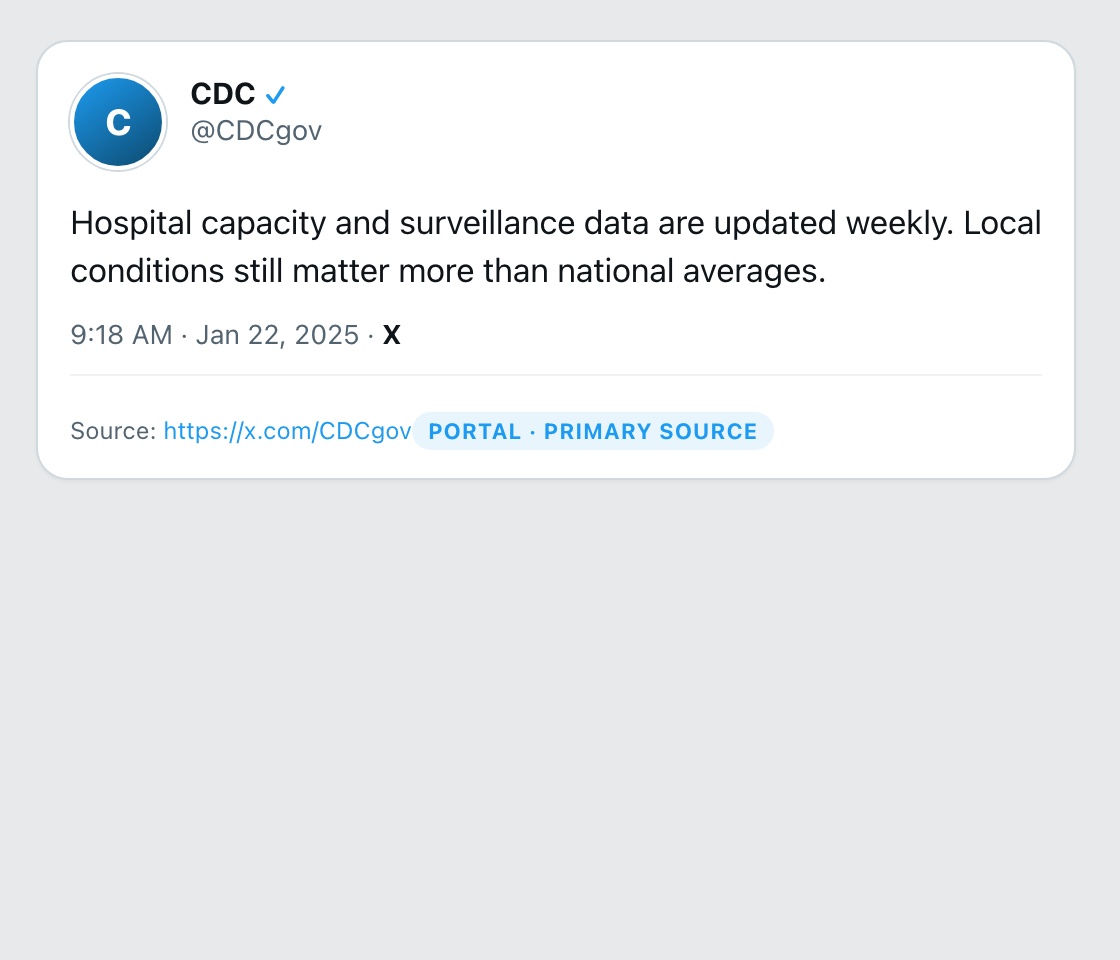
The virtue of patience stands as a quiet but powerful antidote to the chaos of our daily headlines.
Take, for instance, the legislative process. While it can appear sluggish and frustratingly bureaucratic, this deliberate pace is often what prevents hasty decisions that could lead to detrimental outcomes. It allows for the necessary deliberation, debate, and refinement of ideas. In a time where the pressures of the moment can lead to divisive and polarizing outcomes, the patience of legislative bodies can ultimately serve the greater good.
The Consequences of Impatience
Furthermore, the immediate fallout from impulsive decisions can be severe. Consider the economic relief packages passed in response to the pandemic. While the urgency to provide assistance was warranted, the hasty distribution of funds has led to complications that could have been avoided with a more measured approach. The rush to deliver aid without a robust framework has resulted in confusion and in some cases, financial mismanagement.

Moreover, the impatience of the public can pressure institutions into adopting measures that lack foresight. In their quest for quick solutions, institutions may inadvertently overlook the voices of marginalized groups or fail to consider the long-term implications of their actions. This is especially true in the realm of social justice, where the desire for swift change can lead to performative actions that do not address the root causes of systemic issues.
Finding a Balance
It is critical to strike a balance between the need for reform and the virtue of patience. While the call for immediate action can be a catalyst for progress, it is essential to ensure that such actions are rooted in thoughtful consideration and inclusivity. The challenge lies in fostering a culture that values both urgency and deliberation.
As citizens, we must also embrace our role in this equation. Rather than succumbing to the frenzy of the moment, we should advocate for policies and practices that allow for thorough examination and dialogue. This does not mean silencing the urgent calls for change; rather, it means amplifying them in a way that encourages constructive discourse and collaboration.
The Path Forward
As we move forward into a new year, let us remember the importance of patience as a virtue - not just for our institutions, but for ourselves as well. In a society that often equates speed with effectiveness, we must be willing to slow down and engage with complexity. The headlines may demand our immediate attention, but it is the measured responses that will ultimately lead to lasting change.
In this climate of division and urgency, patience can emerge as a unifying force. It encourages us to listen, to understand, and to act wisely. As we confront the challenges of our time, let us commit to fostering an environment where patience is not just a virtue but a guiding principle in our pursuit of justice and progress.
✦ ✦ ✦