From the file. Written for the paper dated November 2020. Opened in the public stacks July 14, 2026.
As the debate surrounding climate change intensifies, a closer look at how weather models are utilized reveals troubling incentives that plague both sides of the political spectrum.
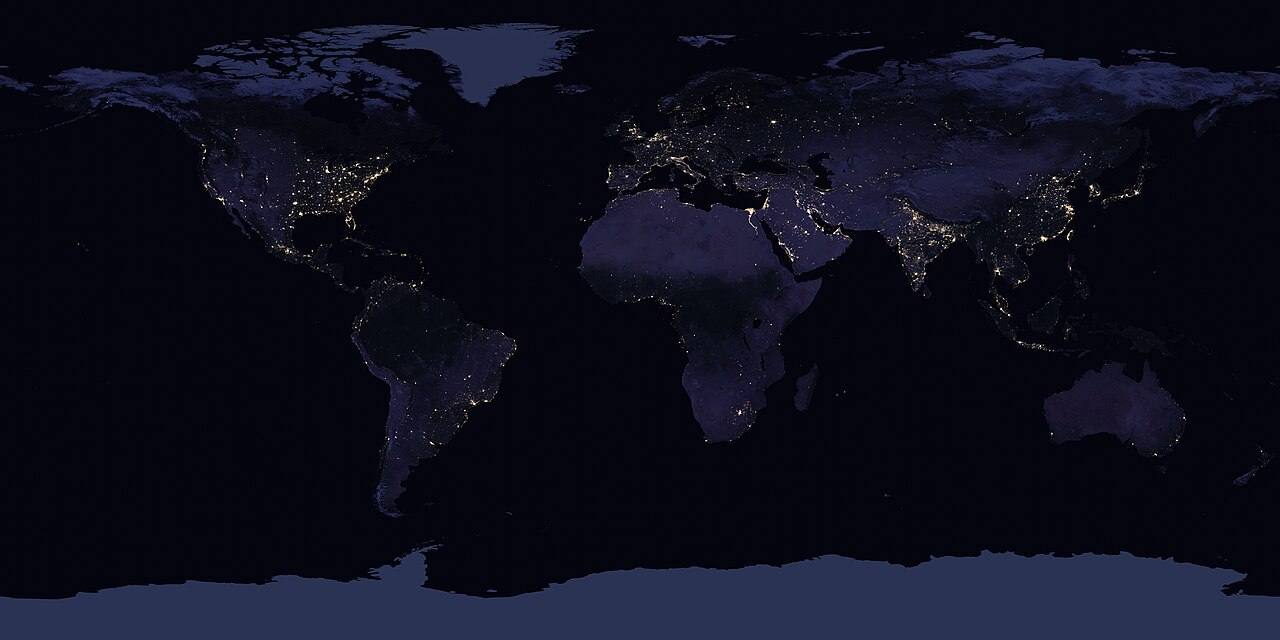
The Role of Weather Models
Weather models have become essential tools for scientists, policymakers, and the public alike. They provide forecasts that help us prepare for natural disasters, agricultural planning, and even everyday activities. However, these models are also at the center of a political battleground. The accuracy of weather predictions often hinges on the data and assumptions that feed into these models, and this can be manipulated to serve various agendas.

Incentives from the Left
On the left, there is a strong push for policies that address climate change, often tied to the narrative that urgent action is necessary to avert a looming crisis. This urgency can lead to an overreliance on certain weather models that project dire outcomes. While the science of climate change is robust, the presentation of data can sometimes be sensationalized to galvanize public support and political action. Such tactics can alienate moderate voices who might otherwise agree with the core message of environmental stewardship.

“When urgency becomes alarmism, it undermines the very cause it seeks to promote.”
Moreover, some environmental groups may prioritize funding for research that aligns with their goals, potentially sidelining studies that offer a more nuanced view of climate-related data. This can create an echo chamber where only certain models or data interpretations are validated, skewing public perception and policymaking.

Incentives from the Right
Conversely, the right often approaches climate change with skepticism, questioning the validity and motivations behind climate science. This skepticism can result in a rejection of weather models that indicate severe climate impacts, as these models may be perceived as tools of alarmism or as justification for regulatory overreach. In this context, there is an incentive to downplay the reliability of weather models, which can lead to a dangerous complacency regarding climate issues.
“Skepticism is healthy, but dismissal can cost us our future.”
Additionally, some conservative policymakers may align their views with industries that benefit from fossil fuels, resulting in a reluctance to invest in or support policies aimed at mitigating climate change. This creates a cycle where crucial data from weather models is ignored or discredited, limiting our ability to respond effectively to impending climate challenges.

The Need for a Balanced Approach
As both sides of the aisle engage in this tug-of-war over weather models, the stakes have never been higher. The consequences of climate change are already being felt globally, from more frequent and severe weather events to rising sea levels. It is imperative that policymakers, scientists, and the public engage with weather data responsibly and transparently.
A balanced approach is essential. Policymakers must strive to communicate the implications of weather models without resorting to alarmism, while also ensuring that skepticism is grounded in scientific inquiry rather than political bias. A collaborative framework that encourages diverse perspectives can lead to more effective climate action.
Conclusion
In the end, the conversation regarding weather models and climate change should not be a partisan issue. It is a critical concern that affects everyone, regardless of political affiliation. Weather models provide a glimpse into our future, and we must ensure that the incentives driving their use are aligned with the best interests of society as a whole.
✦ ✦ ✦