From the file. Written for the paper dated November 2020. Opened in the public stacks July 14, 2026.
As the nation grapples with an unprecedented economic downturn exacerbated by a global pandemic, the budget standoff in Congress is a stark reminder of the political gamesmanship that often sidelines the American people’s needs. Both parties find themselves entrenched in their positions, driven by a mix of ideological purity and electoral incentives.
The Current Landscape
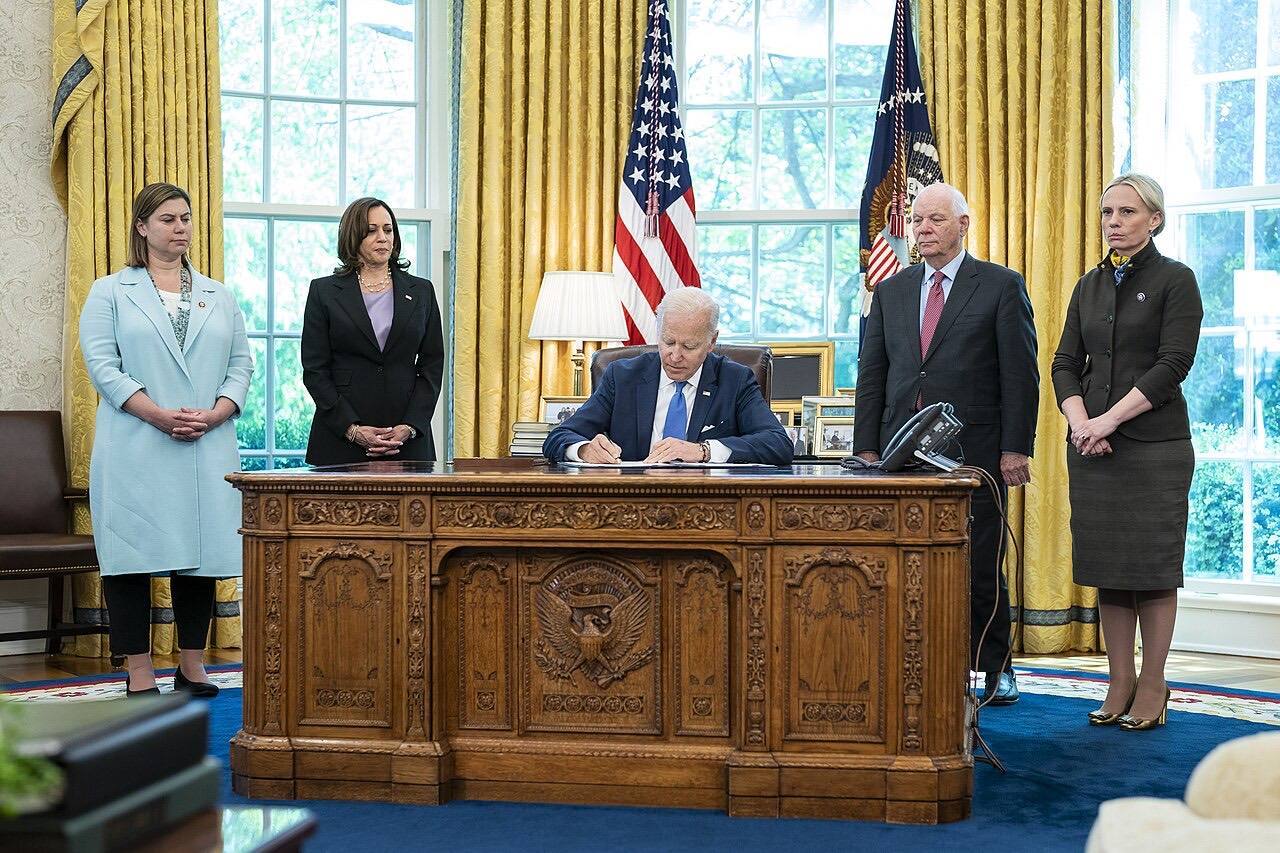
In November 2020, as the leaves fall and the election results continue to unfold, Congress is at a critical juncture regarding the federal budget. The pandemic has necessitated emergency spending, yet both Democrats and Republicans are playing a dangerous game of chicken with the nation’s fiscal health. The stakes are high, and the consequences of inaction could be dire for millions of Americans.
On one side, Democrats are pushing for a robust stimulus package, seeking to provide relief to struggling families, extend unemployment benefits, and support local governments facing budgetary shortfalls. The party’s leadership argues that increased spending is essential for both immediate relief and long-term economic recovery. Their stance is bolstered by constituents who are feeling the financial pinch, yet they risk alienating moderate voters who may see excessive spending as irresponsible.
Conversely, Republicans are advocating for a more measured approach, prioritizing fiscal responsibility and economic stability over expansive government intervention. Their argument hinges on the belief that excessive spending could lead to inflation and higher taxes in the future. However, this perspective can come off as callous to those who are currently struggling to make ends meet. The GOP’s insistence on limiting spending could be seen as catering to their base, which often emphasizes personal responsibility and reduced government intervention.
“A budget is not just a collection of numbers, but an expression of our values.”
Incentives at Play
The motivations behind the budget standoff are multifaceted. For Democrats, the urgency to pass a substantial relief package is compounded by the reality of an impending winter and the ongoing public health crisis. Their electoral incentives are clear: deliver results to voters who expect action and support from their government during tough times.
On the flip side, Republicans are navigating their own incentives. With a significant portion of their base advocating for fiscal conservatism, they must balance the need for immediate relief against the long-term implications of increased federal spending. Their resistance to a larger stimulus package may resonate with core supporters but risks alienating moderate voters who prioritize economic stability over ideological purity.
The Role of Leadership
Leadership on both sides of the aisle has a pivotal role to play in breaking the deadlock. The willingness to compromise is essential, yet both parties appear hesitant to budge. For Democrats, the desire to secure a package that meets the needs of their constituents may lead to a refusal to accept a stripped-down version of the bill. Republicans, meanwhile, may feel the pressure to adhere to conservative principles, leading to a reluctance to engage in negotiations that could be seen as capitulation.
This standoff is not just about numbers on a page; it is about the very fabric of American society. The longer the impasse continues, the more vulnerable the nation becomes to the economic realities facing millions. Unemployment, food insecurity, and housing instability are not abstract concepts; they are lived experiences for too many Americans.
Looking Ahead
As the nation moves deeper into the winter months, the need for a resolution becomes increasingly urgent. The prospect of a prolonged budget standoff could inflict lasting harm on the economy and the American people. It is crucial for both parties to find common ground, even if it means making painful concessions.
In the end, the budget is more than just a fiscal document; it is a reflection of the nation’s priorities. If both parties continue to prioritize political posturing over the welfare of the American people, they risk not only their legislative goals but also the trust of the very constituents they serve.
✦ ✦ ✦