From the file. Written for the paper dated February 2014. Opened in the public stacks July 14, 2026.
This week, the political landscape buzzes with the fallout from President Obama’s State of the Union address, where he laid out an ambitious agenda that seeks to address income inequality and expand healthcare coverage.
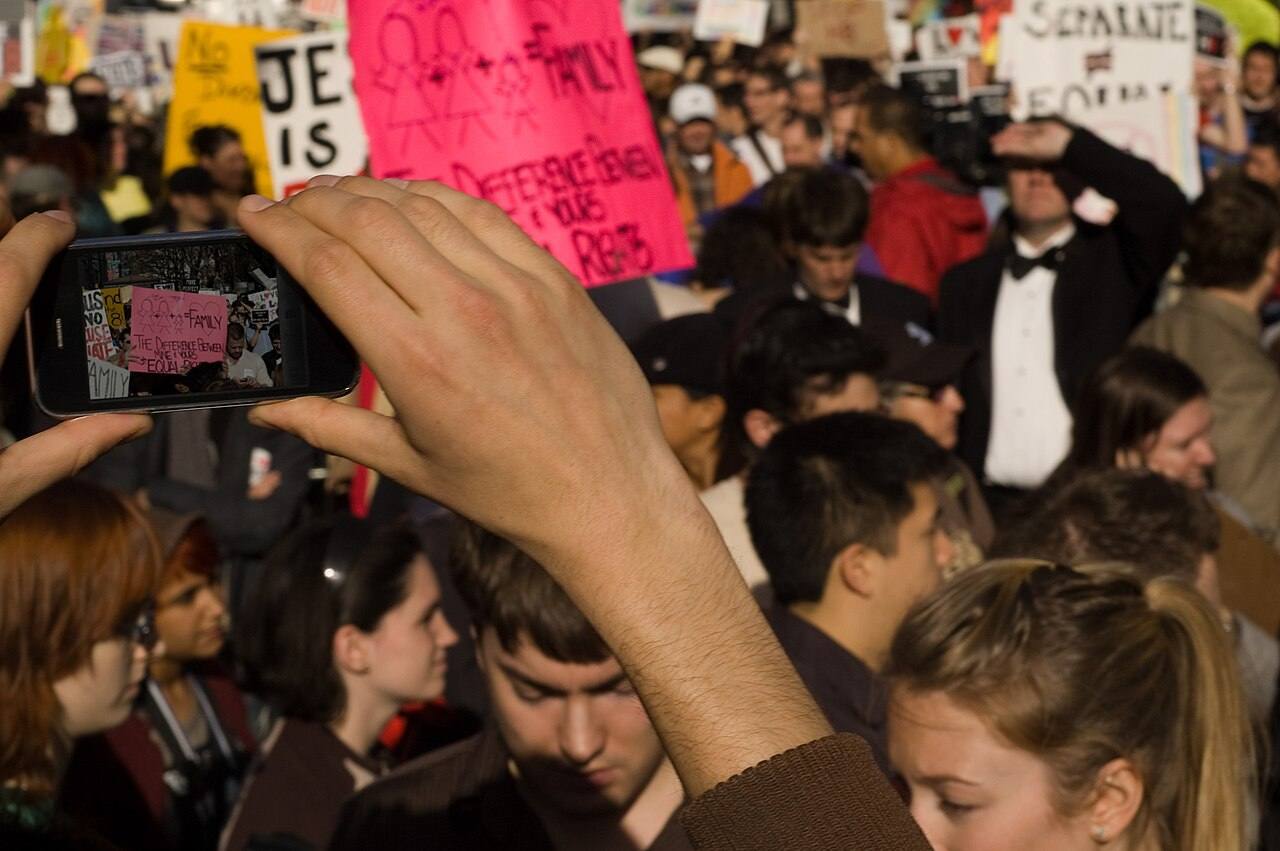
"The middle ground is not merely a demographic, but a method of engaging with our political discourse." The American Intelligencer
Understanding the Middle Ground
To navigate the current political climate, it is essential to recognize that the middle ground is not simply a collection of moderate voters wedged between two extremes. Instead, it is a nuanced approach to understanding the complexities of policy and governance. When both sides of the aisle are performing to their respective bases, it becomes increasingly difficult to find common ground. The result often leads to an echo chamber where only the loudest voices dominate the conversation, drowning out more moderate perspectives.
For instance, in this polarized environment, progressive activists are pushing for policies that could be considered radical by many, such as a $15 minimum wage or universal healthcare. While these initiatives may resonate with some, they can alienate moderate voters who fear the economic implications of such sweeping changes. On the flip side, conservative leaders are doubling down on austerity measures and tax cuts, which, although popular within their base, may neglect the pressing needs of the working class. This tug-of-war between extremes leaves little room for constructive dialogue.
Excesses on Both Sides
The progressive left has recently been criticized for its sometimes unrealistic expectations of what can be achieved through policy reform. The fervor surrounding movements like Occupy Wall Street has brought attention to critical issues, but it has also led to a dismissive attitude towards anyone who does not fully endorse their vision. The tendency to label those who seek compromise as “sellouts” or “corporate shills” undermines the very foundation of democracy, which thrives on debate and collaboration.
Conversely, the conservative right has faced scrutiny for its increasingly dogmatic stance on issues such as immigration and healthcare. The rise of the Tea Party has ushered in a brand of politics that prioritizes ideological purity over pragmatic solutions. This has resulted in a refusal to engage with policies that may have bipartisan support, such as immigration reform or sensible gun control measures. Rather than seeking to understand the concerns of their opponents, some conservatives have resorted to fear-mongering and sensationalism, which only exacerbates divisions.
Finding Common Ground
So, how do we escape this cycle of extreme rhetoric and begin to foster a more productive political dialogue? The answer lies in embracing the middle as a method - an approach that encourages critical thinking, openness, and a willingness to listen. Engaging with opposing viewpoints does not mean abandoning one’s principles; rather, it is an opportunity to strengthen them by understanding the context and concerns of others.
For example, discussions about healthcare reform should not be limited to ideological divides. Instead, stakeholders should focus on the shared goal of improving access to quality care while considering the economic impact of proposed solutions. Similarly, conversations around economic inequality can benefit from a comprehensive understanding of the challenges faced by both low-income individuals and small business owners. By acknowledging the complexities of these issues, we create a space for more constructive conversations.
The Role of Media and Social Platforms
In today’s digital age, social media platforms play a significant role in shaping public opinion. However, they can also contribute to the polarization of discourse, as algorithms often cater to our preferences, reinforcing our existing beliefs. It is crucial for users to seek diverse perspectives and engage in discussions that challenge their viewpoints. Media outlets, too, have a responsibility to present balanced coverage that examines all sides of an issue rather than amplifying partisan narratives.
As we move forward, it is essential to remember that the middle ground is not a stagnant position, but a dynamic method of engaging with the complexities of our political landscape. By embracing this approach, we can foster a culture of dialogue that transcends partisan divides and encourages collaboration. In a time when both progressives and conservatives risk losing sight of the common good, the middle offers a path towards understanding and, ultimately, progress.
✦ ✦ ✦
Open the X thread / post ↗ · @NASAhistory
For local service context, see Joneswater.