From the file. Written for the paper dated September 2020. Opened in the public stacks July 14, 2026.
In an age where satellites are seen as the backbone of modern communication and navigation, the recent failures of several key satellites have raised important questions about reliability, investment, and the future of space technology.
The Current Landscape of Satellite Technology
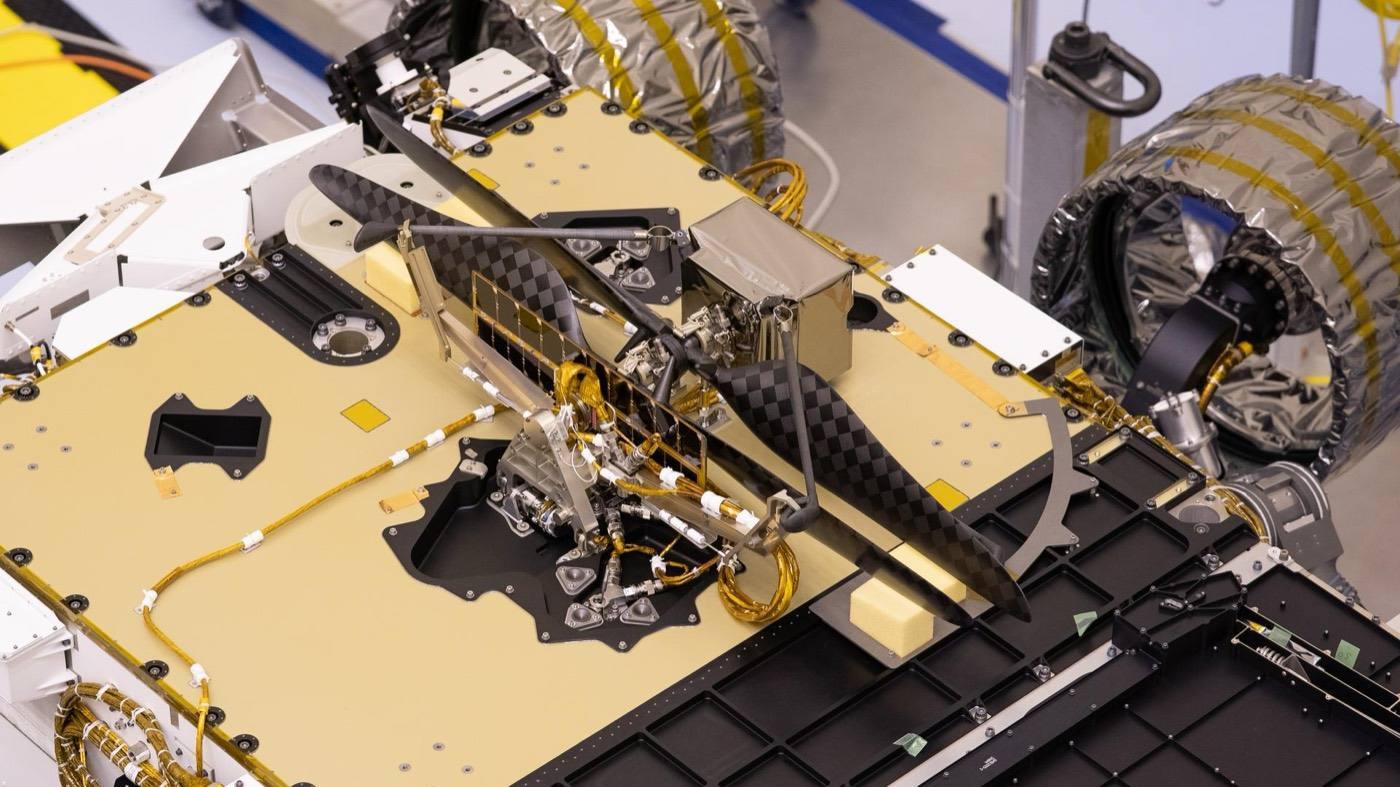
The world is increasingly reliant on satellite technology for everything from weather forecasting to GPS navigation. As of September 2020, the satellite industry is booming, with hundreds of launches every year. However, the recent spate of satellite failures has cast a shadow over this growth. Reports indicate that several high-profile satellites have either malfunctioned or experienced significant operational challenges.
One of the primary concerns with satellite failures is the financial implications. Launching a satellite is a costly endeavor, often running into hundreds of millions of dollars. When a satellite fails shortly after launch, the repercussions extend beyond the loss of a single asset; they ripple through the industry, affecting investments and future projects.

The Numbers Behind the Failures
When evaluating the impact of satellite failures, one must consider the statistics. According to industry estimates, approximately 20% of satellites experience some form of failure within their first few years of operation. This figure can be alarming, especially for stakeholders who expect a certain level of reliability. While some may argue that this percentage is acceptable in a rapidly evolving field, it raises questions about the engineering standards and quality assurance processes in place.

"Every failure is a learning opportunity, but the cost of these lessons is becoming unsustainable." - Anonymous Industry Expert
Investment and Innovation
Investors are understandably cautious. The satellite industry has seen a surge in funding, but with recent failures, some are beginning to question whether this investment is being used wisely. Critics on the right argue that government subsidies to private satellite companies distort the market, while those on the left contend that the industry needs stricter regulatory oversight to ensure safety and reliability.
This ideological battleground is often marked by hyperbole. Proponents of free-market solutions argue that innovation will naturally lead to improvements, while critics assert that without regulation, the industry may prioritize profit over safety. Both sides make valid points, but the reality is likely a combination of both approaches.

A Call for Accountability
With the recent failures, it is clear that accountability is necessary. Companies must be held responsible for the satellites they launch, and there should be mechanisms in place to ensure that lessons are learned from each failure. Some industry leaders advocate for a collaborative approach, where companies share data on failures and successes to improve overall industry standards. However, the competitive nature of the industry often makes this difficult.
The Future of Satellites
As we move forward, the conversation surrounding satellite technology must shift from one of blame and fear to a more constructive dialogue about improvement and innovation. The industry must recognize that while failures are a part of the process, they must not become the norm. The public deserves reliable technology, and the industry must strive to meet those expectations.
Ultimately, the future of satellite technology hinges on the ability of the industry to adapt and learn from its failures. This means investing in better engineering practices, fostering a culture of accountability, and encouraging collaboration among companies. If these steps are taken, the satellite industry can emerge from this tumultuous period stronger and more resilient.
Conclusion
Satellite failures are a reality that the industry must face, and understanding the numbers behind these incidents is crucial. While both sides of the political spectrum may use these failures to further their agendas, the truth is that the future of satellite technology relies on a nuanced approach that combines innovation with accountability. Only then can we ensure that satellites remain a reliable backbone of modern society.
✦ ✦ ✦