From the file. Written for the paper dated August 2020. Opened in the public stacks July 14, 2026.
As the world grapples with unprecedented challenges, the demand for certainty has never been more palpable. In this climate, oversight becomes not just a duty but a necessity for accountability.

Understanding Oversight in a Chaotic World
Oversight is often viewed as a bureaucratic burden, a slow-moving mechanism that hinders progress. However, in times of crisis - like those we are experiencing in 2020 - effective oversight is crucial. It serves as a safeguard against the excesses of power, both in government and in private institutions. With the pandemic exposing vulnerabilities in our systems, the call for oversight has intensified, revealing a landscape where certainty is being peddled as an antidote to chaos.
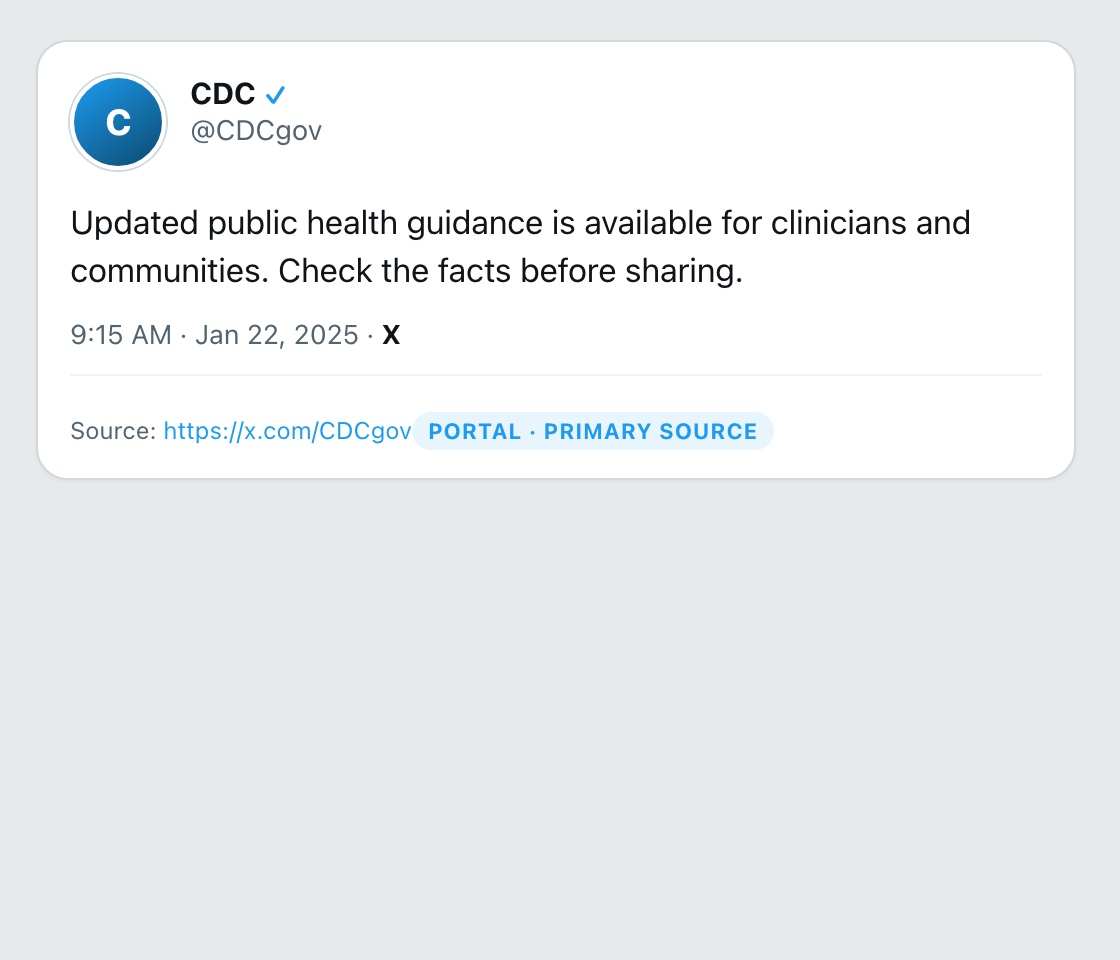
On one side of the political spectrum, we see a push for stringent regulations to ensure that public funds are not misappropriated and that health guidelines are followed to the letter. The left argues for increased scrutiny over corporations, especially those that have taken government bailouts while simultaneously laying off workers. This perspective highlights the essential role of oversight in protecting the most vulnerable among us. Yet, in their zeal, some factions advocate for measures that border on overreach, stifling innovation and creating barriers that could delay recovery efforts.
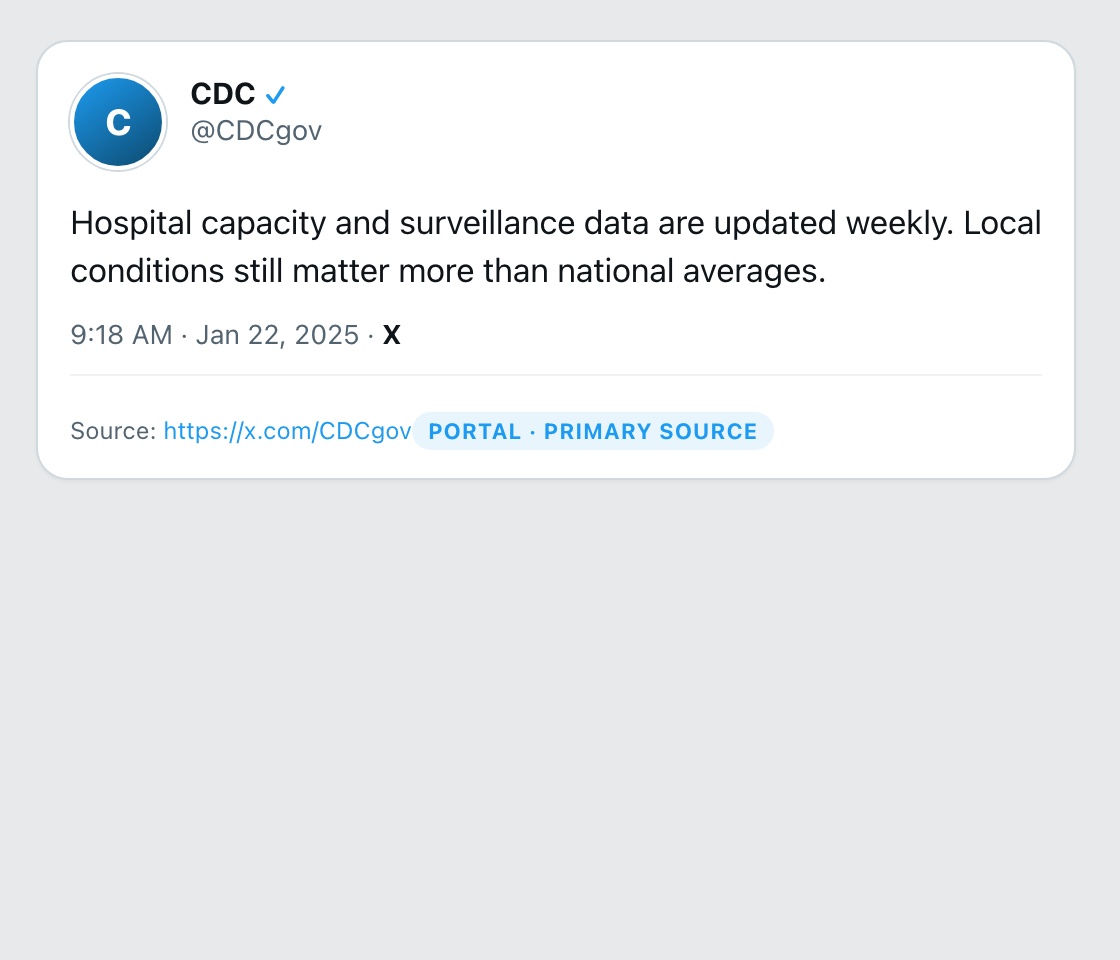
Conversely, the right tends to champion deregulation, promoting the idea that less oversight fuels economic growth and personal freedom. However, this approach can lead to significant accountability gaps, particularly in sectors that directly impact public health and safety. The mantra of "freedom" can easily morph into a reckless disregard for the consequences of unchecked corporate behavior. The recent events have shown that when oversight is lax, the fallout can be catastrophic, as evidenced by the myriad of companies failing to safeguard their employees’ health.
“In a world of uncertainty, the allure of absolute confidence can be dangerously misleading.”
The Allure of Certainty
The craving for certainty has become a double-edged sword. Media narratives often amplify this longing, presenting simplified solutions to complex problems. Amid the cacophony of opinions, some leaders have seized the moment to offer a vision of clarity, even when the reality is murky. This has led to a troubling trend where certainty is sold as a commodity, often at the expense of nuanced understanding and critical discourse.
Politicians and public figures tout their policies as definitive solutions, playing into the public's desire for straightforward answers. Yet, the complexity of our current crisis defies such simplistic narratives. Oversight cannot be about asserting one version of truth over another; it must be a collaborative effort that seeks to understand the multifaceted nature of the issues we face.
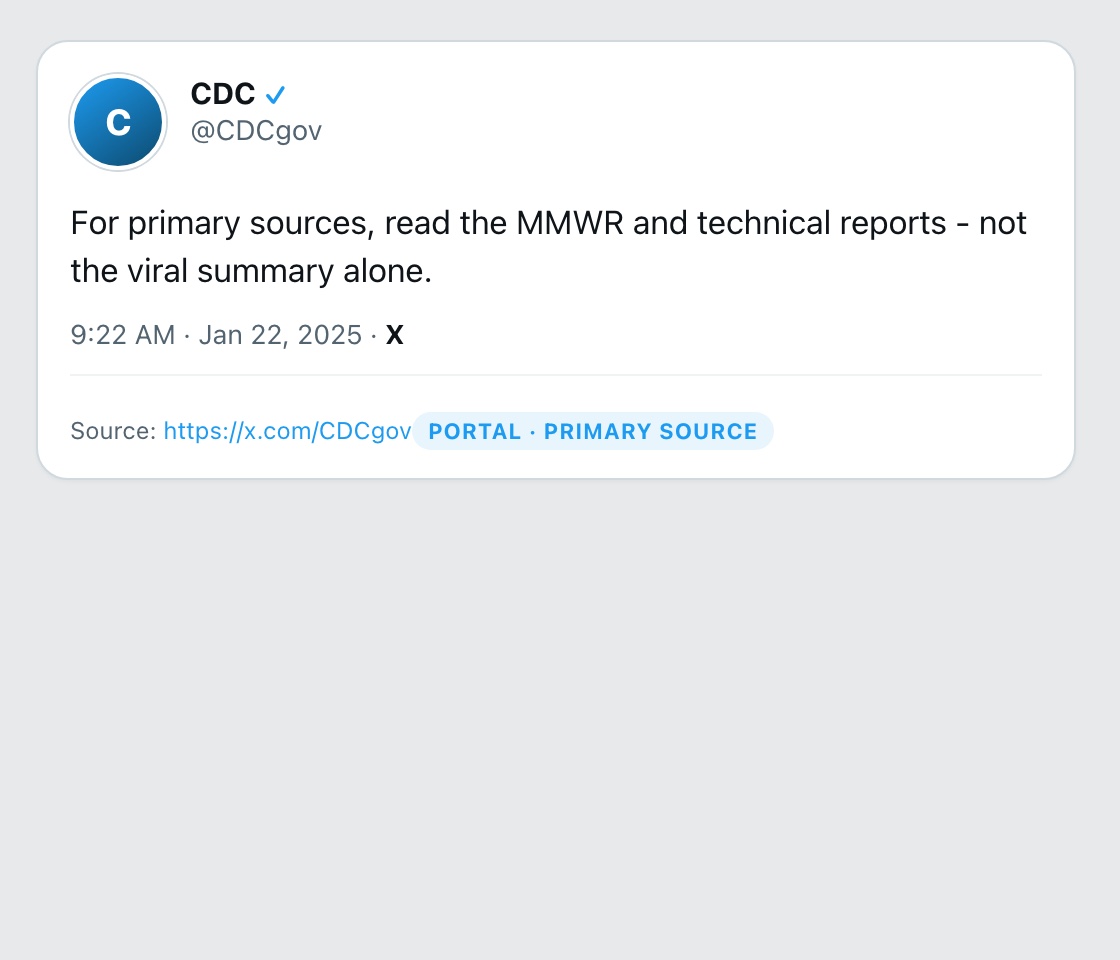
Moreover, this fixation on certainty has also stifled dissenting voices. Critics who challenge the prevailing narratives are often marginalized, which can lead to a dangerous homogeneity of thought. A healthy democracy thrives on debate and discussion, and oversight is most effective when it welcomes diverse perspectives. The challenge is to create an environment where different viewpoints can coexist without fear of retribution.
Finding a Middle Ground
The solution lies in finding a middle ground where oversight is neither excessive nor inadequate. It requires a balanced approach that recognizes the need for regulation while also fostering an environment conducive to innovation. Policymakers must engage with stakeholders across the spectrum to build frameworks that ensure accountability without stifling progress.
Moreover, this middle ground must be rooted in transparency. For oversight to be effective, it cannot operate in secrecy. Public trust is paramount, and that trust can only be earned through open communication and honest reporting. Citizens deserve to know how decisions are made and on what basis policies are enacted. In turn, this transparency can help mitigate the allure of false certainties by providing a clearer picture of the issues at hand.
As we navigate these turbulent times, the role of oversight must evolve. It cannot be a static entity but must adapt to the changing landscape, utilizing innovative tools and methodologies to remain effective. The key lies in recognizing that oversight is not an impediment to progress; rather, it is a crucial component of a well-functioning society.
✦ ✦ ✦