From the file. Written for the paper dated August 2020. Opened in the public stacks July 14, 2026.
In the wake of recent volcanic eruptions around the globe, the scientific community finds itself not only grappling with natural phenomena but also with the narrative that surrounds them. As the urgency fades from headlines, a curious certainty is emerging about volcanic activity.
The Eruption of Certainty
The recent eruptions in regions such as the Caribbean and the Pacific Rim have once again thrust volcanoes into the public consciousness. Yet amid the chaos of lava flows and ash plumes, a more insidious aspect of the coverage has surfaced: the allure of certainty. From media outlets to social media influencers, the narrative has shifted from the unpredictable nature of volcanic eruptions to a deliverance of assured outcomes.
Many scientists caution against this trend. Dr. Emily Carter, a volcanologist at the National Volcanic Institute, stresses that while advancements in monitoring systems have improved our understanding of volcanic behavior, the inherent unpredictability of these natural occurrences remains. “We can make educated predictions, but we cannot claim to know for certain when or how a volcano will erupt,” she explains.
The Media's Role
In an age where sensational headlines generate clicks, the media often gravitates towards sweeping statements that imply a level of certainty that simply does not exist. This can lead to public complacency or, conversely, to panic. As a result, the nuance of scientific inquiry is often lost in translation.
“We can make educated predictions, but we cannot claim to know for certain when or how a volcano will erupt.” - Dr. Emily Carter
For instance, after the eruption of La Soufrière in Saint Vincent, various news outlets suggested that the island was on the brink of devastation, while others outlined the potential for a more moderate outcome. This divergence in reporting can confuse the public, leading to mixed reactions. Some residents evacuated in a state of alarm, while others dismissed the warnings, believing the situation was being exaggerated.
The Science of Uncertainty
Volcanology, like many scientific fields, is rooted in uncertainty and probability. The idea that scientists can provide definitive predictions is appealing, but it can be harmful. “It’s important to communicate risks effectively without overstating our certainty,” says Dr. Carter. “If we say a volcano is 'guaranteed' to erupt soon, and it doesn't, we lose public trust.”
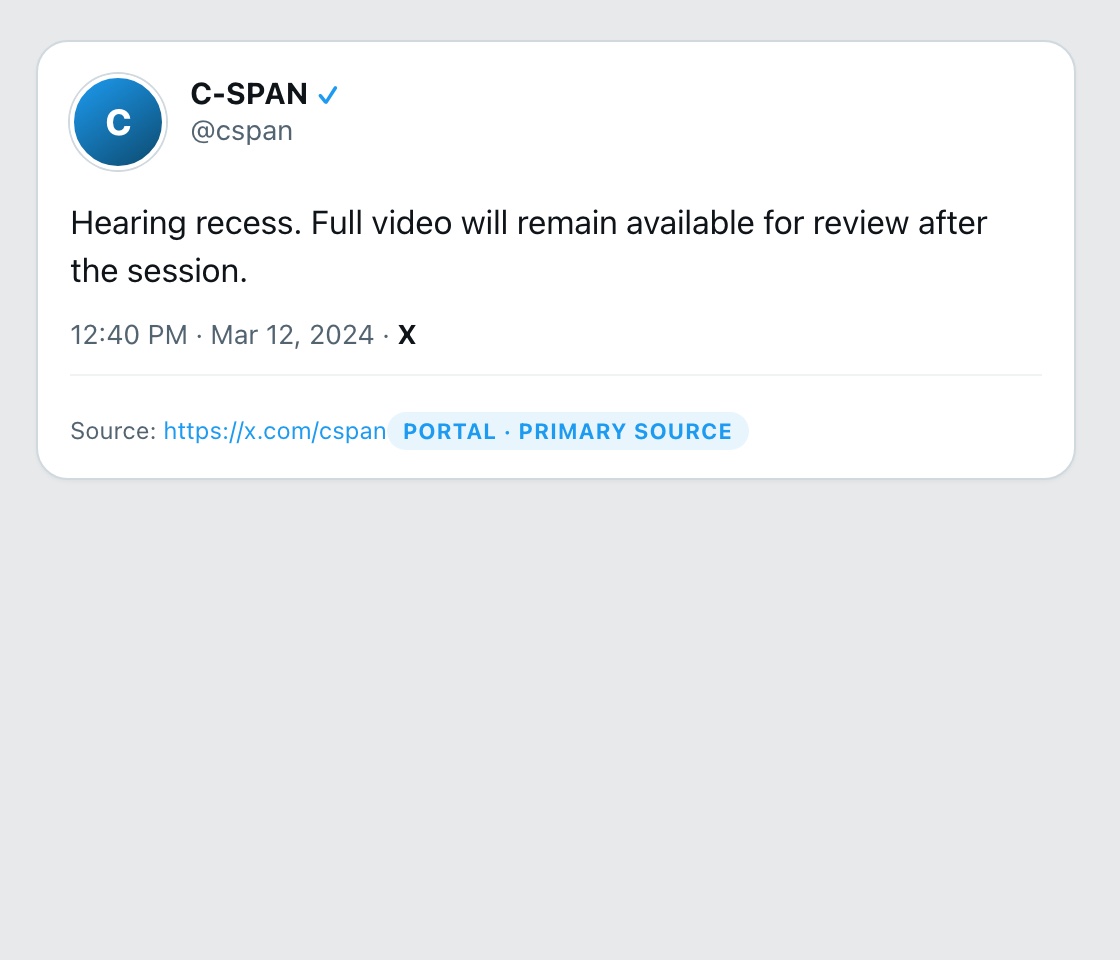
This phenomenon is not limited to the media. On social platforms, influencers and self-proclaimed experts have begun sharing overly simplified analyses, often driven by a desire for engagement rather than accurate representation of science. This trend is alarming, as it undermines the credibility of scientific discourse.
Political Ramifications
The political landscape has also taken notice of the volcanic narrative. Politicians from both sides of the aisle have leveraged the urgency of volcanic activity to push their agendas. Some advocate for increased funding for disaster preparedness, while others use the situation to question governmental responses to natural disasters.
On the left, calls for more robust environmental policies have gained traction, arguing that climate change exacerbates volcanic activity. Meanwhile, the right often emphasizes the need for personal responsibility and preparedness in the face of natural disasters. Both sides can be guilty of cherry-picking data to support their perspectives, rather than embracing the complexities of volcanic science.
“If we say a volcano is 'guaranteed' to erupt soon, and it doesn't, we lose public trust.” - Dr. Emily Carter
Finding Balance
So, what is the solution? Striking a balance between informing the public and maintaining scientific integrity is crucial. Scientists must continue to engage with the media and the public, offering clear, evidence-based insights while avoiding the allure of certainty. Simultaneously, media outlets should strive for accuracy over sensationalism in their reporting, recognizing the impact their narratives can have on public understanding and response.
Ultimately, the science of volcanology is as much about understanding the unknown as it is about predicting the future. Embracing uncertainty may not be as thrilling as proclaiming definite outcomes, but it is essential for fostering a more informed and resilient public.
The Future of Volcano Watch
As we move forward, the challenge remains: how do we educate the public on volcanic risks without falling into the traps of fear-mongering or false certainty? The answer lies in honest communication and a commitment to the complexities of science.
In a world rife with misinformation, the need for accurate scientific literacy is more pressing than ever. The volcano watch is not just a matter of monitoring eruptions; it is a call for responsible communication that honors the intricate dance between science and society.
✦ ✦ ✦