From the file. Written for the paper dated August 2020. Opened in the public stacks July 14, 2026.
As the COVID-19 pandemic continues to dominate headlines, public health clinics are experiencing an unexpected surge in demand. Amidst uncertainty, these institutions become bastions of reliability, offering services that many Americans now find indispensable.

The Rise of Public Clinics
In the midst of a global health crisis, public clinics have emerged as critical support systems. With the economy faltering and private healthcare becoming increasingly inaccessible for many, these facilities provide necessary services at little to no cost. The pandemic has forced many to confront the vulnerabilities in their health insurance coverage or the outright lack of it, propelling them to seek care from public clinics.
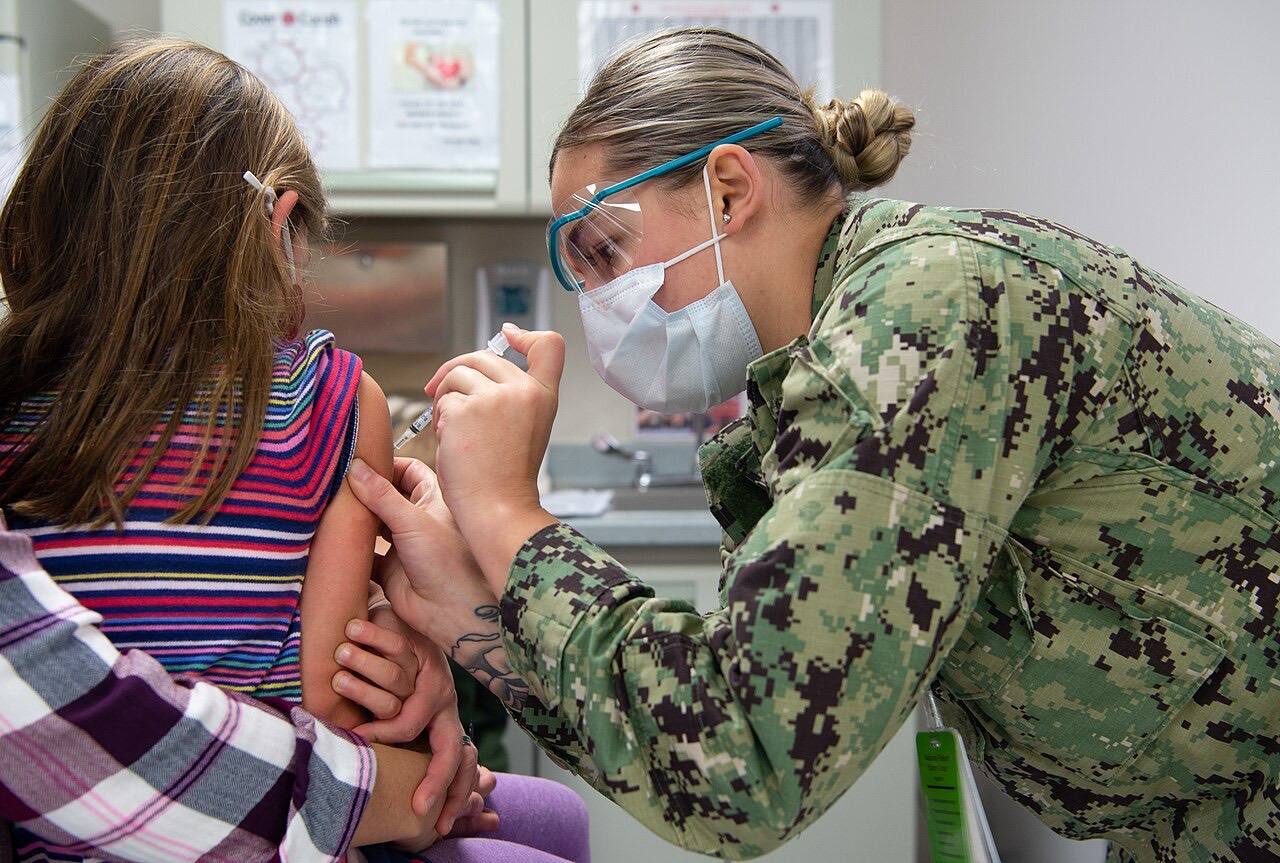
As testing for COVID-19 becomes more crucial, these clinics have adapted rapidly, often becoming the go-to resource for those needing immediate care. This shift is not merely a reaction to the pandemic; it highlights a growing recognition of the essential role that public health resources play in the overall healthcare ecosystem.
Demand for Certainty
In a world rife with ambiguity, the pursuit of certainty is a driving force behind the uptick in clinic visits. Patients are often looking for straightforward answers, and public clinics are stepping up to meet that need. The comfort of knowing that you can receive care without the complexities of navigating insurance loopholes or exorbitant fees is a powerful motivator.
“Public clinics are becoming the lifeline for many who feel abandoned by traditional healthcare systems.”
This surge in demand, however, should not distract from the systemic issues at play. While public clinics are providing essential services, they are also overwhelmed. Many clinics report staffing shortages and resource limitations, a reality that could compromise care quality. As they strive to offer certainty, they risk becoming stretched too thin, leading to longer wait times and reduced patient satisfaction.
Political Polarization and Healthcare Access
As demand for public clinics rises, the political landscape surrounding healthcare continues to polarize. On one side, proponents of universal healthcare argue that public clinics should be expanded and better funded to meet the growing needs of the population. On the other side, critics assert that increased government spending could lead to inefficiencies and a decline in care quality.
Both arguments have merit, yet they often overlook the real-world implications for everyday Americans. The left's push for expansive healthcare access is commendable, but it can sometimes veer into idealism that fails to address the immediate logistical challenges that clinics face. Conversely, the right's focus on efficiency can neglect the urgent need for accessible care in underserved communities.
Community Impact
Public clinics are more than just healthcare providers; they serve as community hubs. They offer not only medical services but also mental health support, addiction treatment, and preventive care. This multifaceted approach is particularly crucial during times of crisis when the mental toll of the pandemic weighs heavily on many individuals.
However, the community impact of public clinics transcends mere healthcare provision. These clinics foster a sense of belonging and support, particularly for marginalized populations who have historically been left behind. In many ways, they embody the spirit of resilience that communities need during turbulent times.
The Future of Public Clinics
As we navigate the ongoing public health crisis, the future of public clinics remains uncertain. The increased demand could lead to long-term changes in how healthcare is delivered in this country, but only if these clinics receive the support they need to sustain their operations. The calls for increased funding and resources must be met with action, or the very institutions that are now seen as lifelines could falter under pressure.
Ultimately, public clinics are at a crossroads. They have proven their value and necessity in the current climate, but whether they will continue to thrive remains to be seen. As the headlines fade, it is essential that society does not forget the lessons learned about the importance of accessible healthcare.
✦ ✦ ✦