From the file. Written for the paper dated August 2020. Opened in the public stacks July 14, 2026.
As the dust settles from the latest political storm, attention turns to a significant vacancy in the judiciary, a development that could have far-reaching implications for the nation.
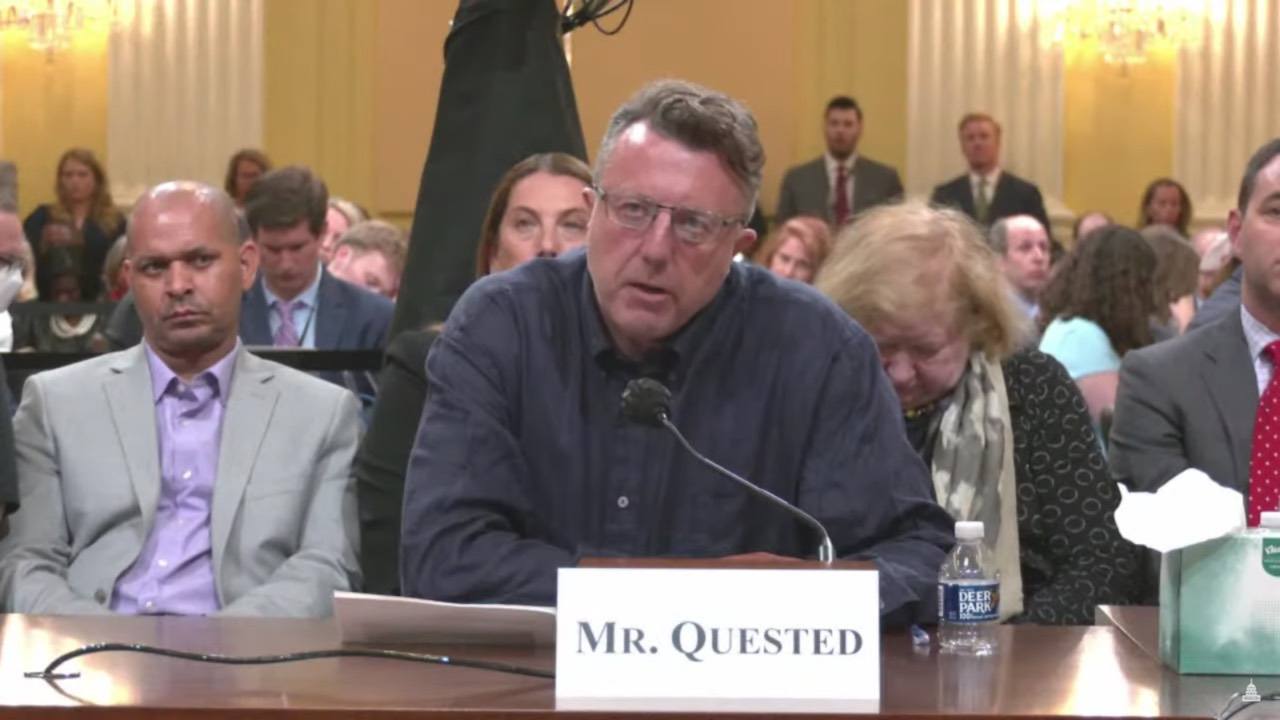
The Stakes of Judicial Appointments
The vacancy in the judiciary is not just a matter of filling a seat; it represents a critical juncture for the future of American law and society. With the nation's attention divided among pressing issues such as the pandemic, social unrest, and economic instability, the significance of judicial appointments can often be overshadowed. Yet, this moment offers a stark reminder of how the judiciary plays a crucial role in shaping policy and protecting rights.

In a climate where certainty is increasingly hard to come by, the push for swift appointments is gaining traction on both sides of the political aisle. Left-leaning advocates argue that a progressive judiciary is essential for upholding civil liberties and addressing systemic inequalities. Meanwhile, conservatives are equally insistent that a more stringent interpretation of the Constitution is necessary to rein in perceived governmental overreach. Both camps are selling certainty as a commodity, but at what cost?
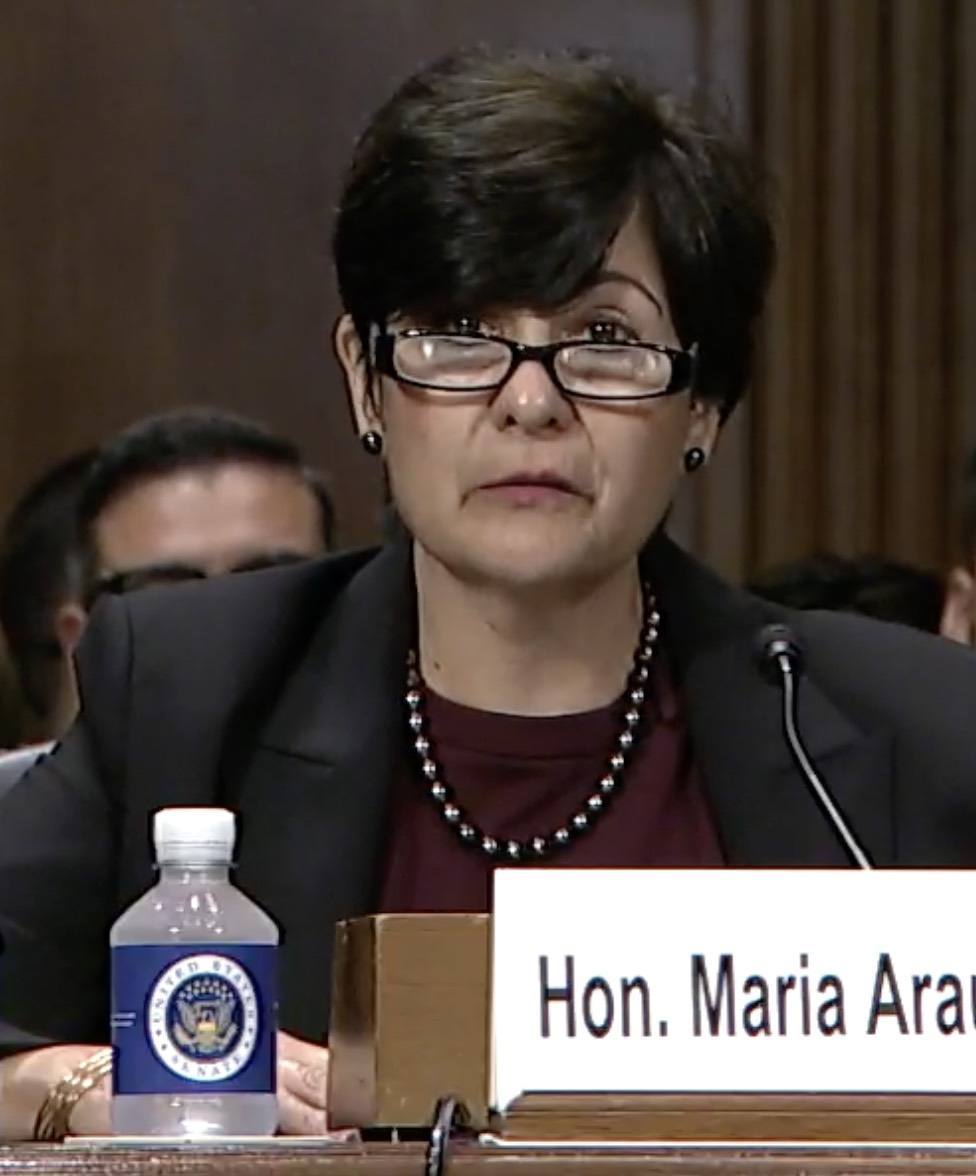
Rhetoric vs. Reality
As each side rallies its supporters, the rhetoric surrounding judicial appointments often morphs into a battle cry for ideological dominance. The left's advocacy for a judiciary that champions social justice is met with the right's insistence on a strict constructionist approach. Each perspective comes with its own set of promises, but the reality is that neither side can guarantee the outcomes they promise.

"The stakes of judicial appointments extend beyond ideology; they reflect the very fabric of our democracy."
In the rush to fill judicial vacancies, both sides risk overlooking the critical importance of the rule of law and the independence of the judiciary. When judges are seen merely as extensions of political agendas, the integrity of the judicial system comes into question. This is particularly alarming in an era where public trust in government institutions is already perilously low.
The Impact of Media Saturation
Media coverage of the judiciary often amplifies the extremes of both sides, creating an environment where the public is inundated with sensationalized narratives. Headlines shift from facts to fearmongering, as the urgency to fill vacancies is framed in apocalyptic terms. This sensationalism only serves to deepen divisions, fostering an atmosphere where compromise seems impossible.

While the left emphasizes the need for judges who will protect marginalized communities, the right focuses on the need for judges who will uphold traditional values. Both narratives are compelling, yet they can become dangerously reductive. The complexity of legal interpretation and the nuances of case law are often lost in the shuffle of political posturing.
Finding Common Ground
As the nation grapples with its divisions, there is an opportunity for leaders on both sides to seek common ground. The importance of an independent judiciary should transcend partisan politics. Legal scholars and practitioners alike understand that the judiciary's role is to interpret the law, not to create it. The challenge lies in reconciling these principles with the current political climate.
A renewed focus on judicial accountability and transparency could help restore faith in the system. Instead of merely filling vacancies with ideologically aligned candidates, there should be a concerted effort to consider qualifications and a commitment to impartiality. This approach could alleviate concerns from both sides, fostering a judiciary that truly serves the people.
The Road Ahead
As we move forward, the conversation surrounding judicial vacancies must evolve. It is essential for both sides to recognize that the health of our democracy hinges on a judiciary that is respected, independent, and capable of navigating the complexities of law without succumbing to political pressure. The time for certainty in the face of uncertainty is now, but it must be rooted in a commitment to justice rather than partisanship.
Ultimately, the challenge lies in disentangling the judiciary from the political fray. As we await the next steps in this unfolding drama, it is imperative that we remain vigilant and demand a judiciary that reflects the highest standards of integrity and fairness. Only then can we hope to foster a system that truly serves all Americans, regardless of political affiliation.
✦ ✦ ✦