From the file. Written for the paper dated July 2020. Opened in the public stacks July 14, 2026.
As the nation grapples with the implications of a judiciary vacancy, it becomes increasingly clear that both sides of the political spectrum are exhibiting a troubling pattern of selective memory when it comes to their past actions and statements.
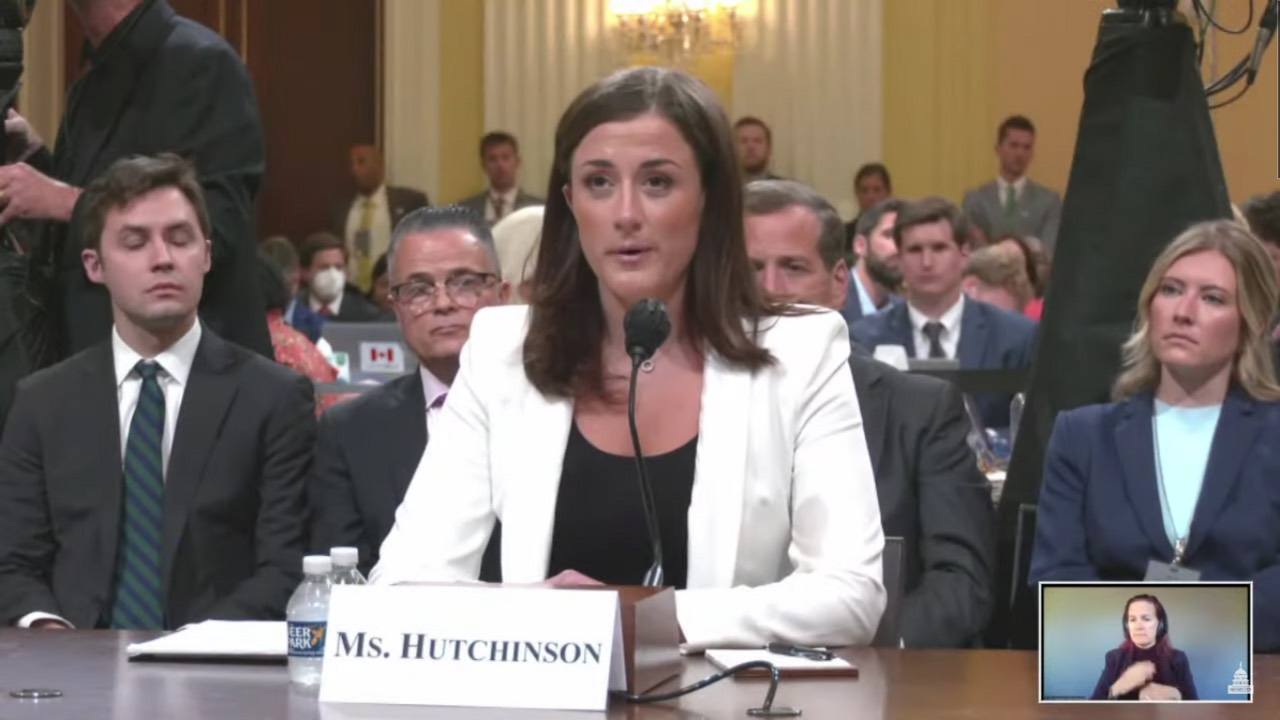
The Context of the Vacancy
The recent announcement of a judge's impending retirement has sparked a flurry of debate in Washington, igniting the age-old conflict over judicial appointments. On one side, Democrats are calling for a fair and thorough vetting process, while Republicans are positioning themselves to push through a swift confirmation. This divide, however, is not merely a matter of differing principles; it reveals a deeper hypocrisy that both parties seem unwilling to confront.

Left's Selective Memory
For the Democrats, the narrative often centers around the importance of judicial independence and the risks posed by a judiciary perceived as politically motivated. Yet, we must remember that during the Obama administration, Senate Democrats exercised the so-called "nuclear option" to reduce the threshold for confirming judicial nominees. This move was framed as a necessary response to Republican obstructionism but has now paved the way for the very tactics they decry.

"In their quest for power, both parties have sacrificed principles at the altar of expediency."
Furthermore, the Democratic Party's approach to judicial appointments has often favored ideologically aligned candidates. When it suited their agenda, they have overlooked the importance of bipartisan consensus. This behavior raises questions about their current insistence on a more measured approach to confirmations.

The Right's Hypocrisy
On the other side of the aisle, Republicans are quick to champion the idea of a swift confirmation process, citing the need for a fully functioning judiciary amidst a national crisis. However, many of these same individuals were vocal critics of President Obama’s judicial nominees, often refusing to even hold hearings for candidates who were widely considered qualified. Their present urgency seems to contradict the very principles they espoused just a few years ago.
This inconsistency raises a critical question: Are Republicans genuinely committed to the integrity of the judiciary, or are they simply pursuing a strategy to solidify their power? As they prepare to fill the vacancy, it is essential that they reflect on their past actions rather than ignore them in favor of the present political expediency.

A Call for Accountability
Both parties must recognize that their selective memory is not just a political tactic; it undermines the very foundations of our judicial system. The judiciary is meant to serve as a check on power, and its credibility relies on the belief that it operates independently of political pressures. When both sides of the aisle play fast and loose with the rules, they erode public trust. This is a dangerous path, especially in times of increased polarization.
"The judiciary's credibility relies on the belief that it operates independently of political pressures."
The urgency for a new appointee should not overshadow the need for a conscientious approach to nominations. It is imperative that both parties commit to a process that prioritizes qualifications over ideological alignment, ensuring that the judiciary remains a balanced entity capable of serving the American people rather than a partisan battleground.
Conclusion
As we move forward in this contentious landscape, it is crucial for Republicans and Democrats alike to confront their histories and acknowledge their roles in shaping the current judicial climate. The bipartisan habit of selective memory is not just a political liability; it poses a real threat to the integrity of our judicial system. In the end, the American people deserve a judiciary that is free from the taint of partisan conflict, a judiciary that is robust enough to withstand the pressures of political expediency.
✦ ✦ ✦
For local service context, see Ownersfirm.