From the file. Written for the paper dated June 2020. Opened in the public stacks July 14, 2026.
As the COVID-19 pandemic continues to cast a long shadow over the economy, the retail sector is revealing critical flaws in oversight that warrant closer examination.
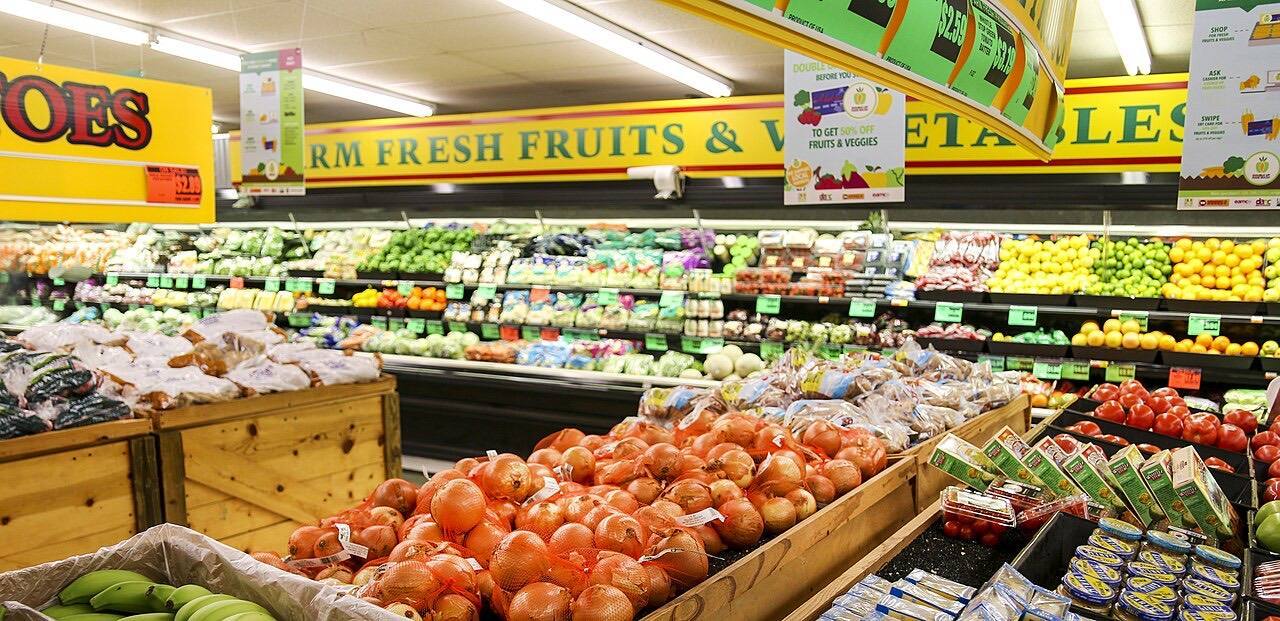
The State of Retail Sales
In June 2020, retail sales experienced a brief resurgence as states began to ease restrictions. Yet, beneath the surface, the numbers tell a more complex story of a sector grappling with long-standing issues that have been exacerbated by the pandemic. The initial bounce back can easily be misinterpreted as a sign of recovery, yet a deeper dive reveals a troubling lack of foresight and preparedness.
Shifting Consumer Behavior
Consumer spending patterns have shifted dramatically during the pandemic. With many people confined to their homes, e-commerce has surged, while brick-and-mortar stores have been forced to close or limit capacity. Retailers who relied heavily on in-person shopping have faced dire consequences. Traditional big-box stores that had previously neglected their online presence have found themselves at a significant disadvantage.
“The pandemic has exposed the cracks in our retail system, and while some are adapting, many others are struggling to keep up.”
Moreover, the change in consumer behavior isn't merely a response to the pandemic; it reflects deeper trends that have been building over the past few years. The shift towards online shopping was already underway, but the pandemic accelerated that transition. Retailers who have failed to innovate or adapt to these changes are now facing a reckoning.
Government Response and Oversight
On one side of the aisle, politicians have rushed to tout government assistance programs aimed at keeping businesses afloat. However, the effectiveness of these programs is already under scrutiny. Many small businesses have struggled to access the funds they need due to bureaucratic barriers and delays in implementation. The federal Paycheck Protection Program has been criticized for favoring larger corporations over small businesses, leaving many communities in jeopardy.
Conversely, some on the left have called for more radical changes, advocating for the restructuring of capitalism itself. While the desire for systemic change is understandable, the calls for immediate and sweeping reforms often overlook the nuances of the retail landscape. A one-size-fits-all solution could further destabilize an already fragile economy.
The Role of Oversight
The lack of effective oversight in the retail sector is glaring. As retailers scramble to adapt, many are cutting corners to remain afloat. This can lead to unethical practices, such as price gouging on essential items or compromising on safety measures to draw customers back into stores. Regulatory bodies need to step up and ensure that ethical standards are maintained, especially during a crisis.
Moreover, the pandemic has highlighted the need for better contingency planning. Many retailers found themselves unprepared for the sudden shift in demand and consumer behavior. Inventory management systems that worked in a stable environment faltered, leading to shortages in some areas and overstock in others. This oversight is not just a failure of individual retailers but reflects a broader systemic issue within the industry.
Looking Ahead
As we move further into 2020, the question remains: will the retail sector learn from these challenges, or will it continue to operate under the same flawed assumptions? The response to the pandemic must serve as a wake-up call for both retailers and policymakers. A collaborative approach that includes a mix of government support and private innovation could help build a more resilient retail sector.
The Balancing Act
In this moment of crisis, both sides of the political spectrum must recognize the need for balance. The right's focus on minimal government intervention must be tempered with the understanding that some degree of oversight is essential for ethical practices. Meanwhile, the left's calls for sweeping reforms should consider the importance of gradual, well-planned changes that allow for adaptation and growth.
As we reflect on the current state of retail, it is clear that the lessons learned now will shape the future of commerce. The stakes are high, and how we navigate this moment may define the retail landscape for years to come.
✦ ✦ ✦