From the file. Written for the paper dated May 2020. Opened in the public stacks July 14, 2026.
As the nation grapples with unprecedented challenges, the 2020 primary calendar remains a focal point of contention and debate.
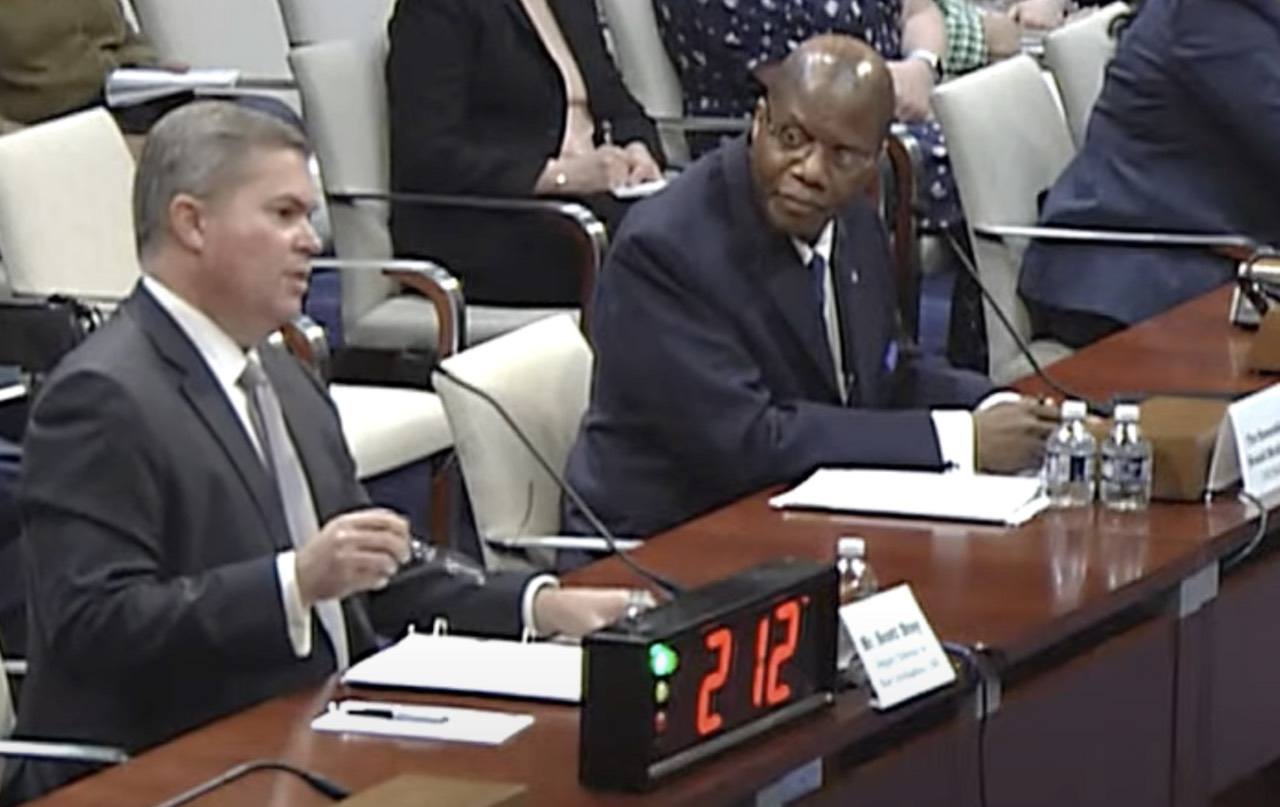
In the thick of a pandemic, the stakes of this election year have intensified. Both the Democratic and Republican parties face crucial decisions regarding their primary processes, with each side navigating the complex landscape of voter safety, logistical hurdles, and the ever-looming specter of potential voter suppression. As we analyze the current state of the primary calendar, it is essential to adopt a measured perspective that critiques the excesses of both the left and the right.
Primary Challenges Amid Crisis
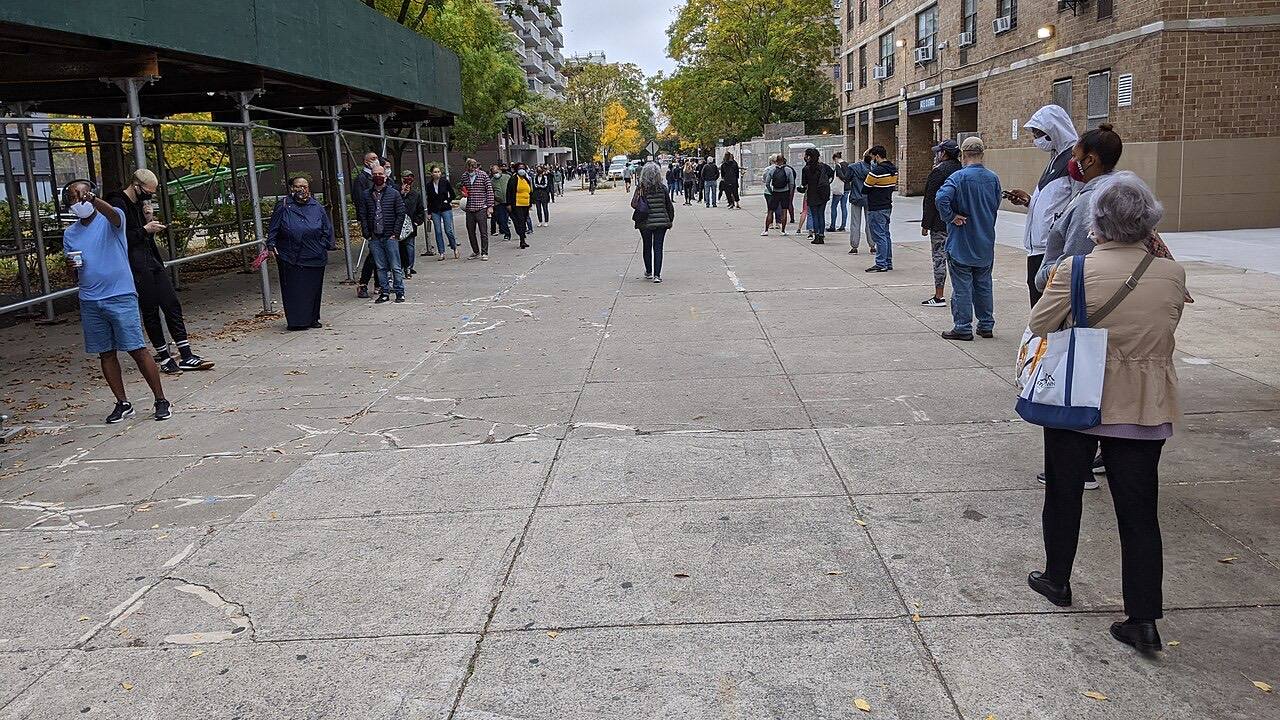
States across the country have scrambled to adapt their primary elections in light of health concerns. For many Democratic leaders, the priority has been to ensure that voters can safely exercise their civic duty without the fear of contagion. Yet, this well-intentioned effort has occasionally veered into the territory of overreach, with some states postponing primaries or changing voting procedures at the last minute. This reactive approach risks disenfranchising voters who rely on consistent scheduling and clear communication from their local election officials.
On the Republican side, there has been a tendency to downplay the severity of the pandemic, framing it as an overblown crisis that should not interfere with the electoral process. This attitude is not only dismissive of public health concerns but also perpetuates a narrative that undermines the integrity of the democratic process. The push for in-person voting, despite the clear risks, raises questions about the party's commitment to ensuring accessible and safe elections for all citizens.
“In a moment of crisis, the integrity of our elections should not be sacrificed for the sake of convenience.”
A Call for Balance
Finding a middle ground in this charged environment is crucial. Neither party should resort to extreme measures that could alienate voters or undermine the electoral process. The Democrats need to recognize that their efforts to expand mail-in voting and other alternatives must be carefully balanced with the need for secure and verifiable election practices. Meanwhile, Republicans must confront the reality of the pandemic and ensure that voters can participate safely without being coerced into choosing between their health and their civic responsibilities.
As we observe the primaries unfold, the American public is left with a sense of urgency. Many voters are looking for leadership that transcends partisan divides, demonstrating a commitment to the principles of democracy while prioritizing the well-being of the population. The current situation presents an opportunity for both parties to engage in a constructive dialogue about how to maintain the integrity of the electoral process during a crisis.
The Role of Leadership
Leadership during this tumultuous time requires a delicate balance of pragmatism, empathy, and foresight. The American people are not looking for partisan bickering but for solutions that will help safeguard the democratic process. Both parties must be accountable for their actions: Democrats should avoid the temptation to exploit the crisis for electoral gains, while Republicans need to demonstrate a genuine concern for the health and safety of their constituents.
Ultimately, the 2020 primary calendar should not just be about winning elections - it should reflect a commitment to democratic values and the principle that every voice matters. In this moment of uncertainty, the emphasis should be placed on ensuring that all eligible voters can participate without fear or obstacles.
Looking Ahead
As we look towards the upcoming primaries, it is crucial for both parties to embrace a spirit of collaboration. The lessons learned during this crisis should guide future electoral processes, ensuring that America emerges from this experience with a stronger commitment to democracy. By prioritizing the health and safety of voters while safeguarding the integrity of elections, leaders can help bridge the divide that has become so pronounced in recent years.
In conclusion, the primary calendar of 2020 stands as a testament to the challenges of our time. It is a reflection of the political landscape, where both excesses and opportunities exist. As citizens, we must demand transparency, accountability, and a renewed dedication to the democratic ideals that bind us together.
✦ ✦ ✦
For local service context, see Joneswater.