From the file. Written for the paper dated May 2020. Opened in the public stacks July 14, 2026.
As the COVID-19 pandemic continues to ravage the economy, the specter of Main Street bankruptcies looms larger than ever. In this week’s analysis, we take a measured approach to understanding the implications of these closures, examining both the failures of policy and the excesses of local and national responses.
Bankruptcies on the Rise
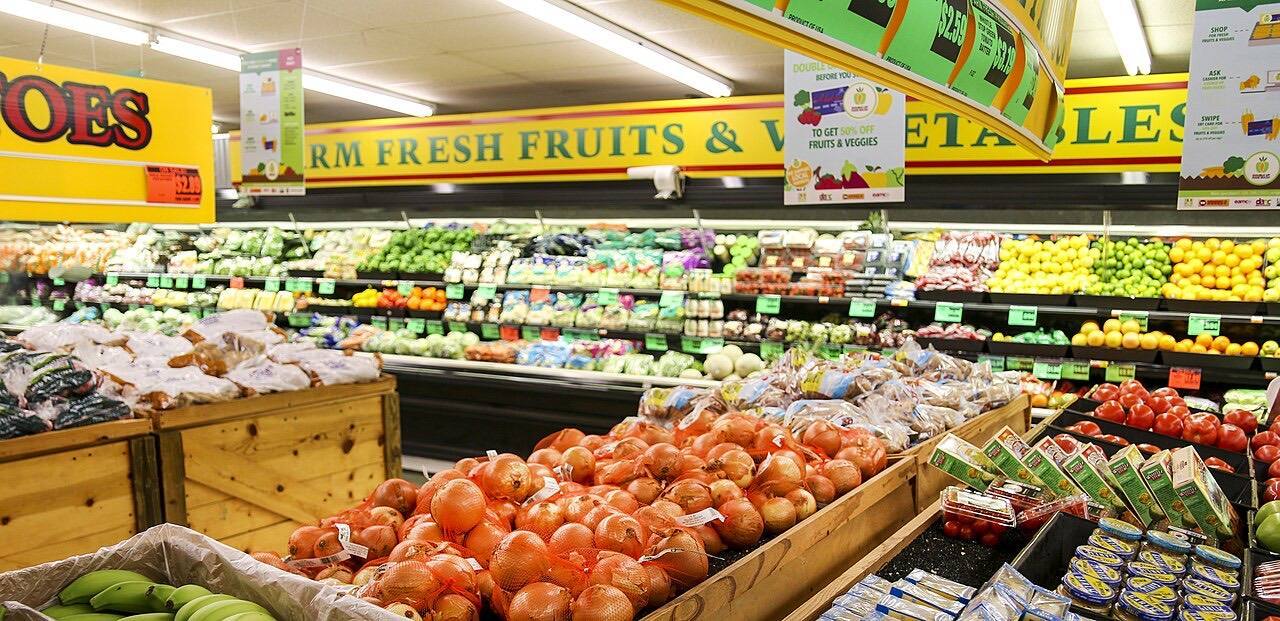
The past week has seen a surge in the number of small businesses filing for bankruptcy. According to various reports, sectors such as retail, hospitality, and dining - the very backbone of many local economies - are experiencing unprecedented challenges. While the exact numbers are still emerging, it is clear that many businesses, particularly those that were already struggling before the pandemic, are now reaching a breaking point.
Government Response: Too Little, Too Late?
On one side of the political spectrum, the response to this crisis has been characterized by calls for more government intervention. Advocates argue that the federal government must step in with additional stimulus packages to support small businesses. Yet, the measures that have been implemented so far, such as the Paycheck Protection Program (PPP), have faced criticism for being poorly structured, leading to delays and confusion. The program was meant to provide immediate relief, but many business owners report that they are still waiting for assistance.

While it is easy to blame bureaucratic red tape for these shortcomings, the reality is more complex. The sheer volume of applications overwhelmed lenders, and many small businesses were left scrambling for resources. What is evident is that the urgency of the situation demands more than just financial aid; it requires a strategic overhaul of how such programs are administered.
Left vs. Right: A Question of Values
On the other hand, some conservative voices argue that the best way to support small businesses is not through government aid but by allowing the free market to take its course. This perspective emphasizes the importance of personal responsibility and the idea that not every business is meant to survive. However, this line of thinking often overlooks the broader implications of mass bankruptcies on communities and the economy as a whole. When small businesses close their doors, it is not just the owners who suffer; employees lose their jobs, and local economies suffer a ripple effect.
"The specter of Main Street bankruptcies looms larger than ever."
This tug-of-war between left and right ideologies raises an important question: What is the role of government in times of crisis? Should it intervene to prop up businesses, or should it let the market dictate winners and losers? The answer is not straightforward, and both extremes risk missing the nuance of the situation. It is clear that a balanced approach is needed - one that combines immediate financial assistance with a long-term vision for economic recovery.
The Human Cost
Behind every bankruptcy filing lies a story of struggle and resilience. Local business owners are not just numbers; they are individuals who have poured their blood, sweat, and tears into their ventures. Many of them are now facing not only financial ruin but also emotional distress. The loss of a business can lead to significant mental health challenges, as owners grapple with the harsh reality of failure.
Moreover, the impact extends beyond the owners to employees and their families. The loss of jobs means less disposable income for households, which can lead to further economic decline. This interconnectedness underscores the need for a more compassionate response to the crisis - one that recognizes the human cost of economic policies.
Looking Forward: A Call for Collaboration
In this moment of uncertainty, it is crucial for both sides of the aisle to come together to find solutions that work for everyone. Policymakers should prioritize support for small businesses while also considering the long-term implications of their decisions. Collaboration between government, business leaders, and community organizations can help to create a more robust safety net for those affected by the crisis.
As we move forward, we must resist the temptation to vilify one side or the other. Instead, let us focus on pragmatic solutions that address the immediate needs of Main Street while also laying the groundwork for a more resilient economy in the future.
Conclusion
As we navigate these turbulent times, the need for a balanced approach to economic recovery becomes increasingly apparent. By recognizing the complexities of the situation and striving for collaboration, we can work toward a future where Main Street thrives once more.
✦ ✦ ✦