From the file. Written for the paper dated April 2020. Opened in the public stacks July 14, 2026.
In a time of crisis, the call for oversight often rings loudest, yet the discussion rarely delves into the nuances of what that oversight truly entails.

The Importance of Oversight
Oversight is not merely a buzzword thrown around in press releases or political speeches; it is a fundamental component of a functioning democracy. As we navigate through unprecedented challenges, particularly those brought forth by the ongoing pandemic, the mechanisms of oversight become critical to ensure accountability, transparency, and effectiveness in government actions. However, while both sides of the political spectrum clamor for oversight, the reality is that few are willing to engage in the hard conversations about what that entails.
Excesses of the Left
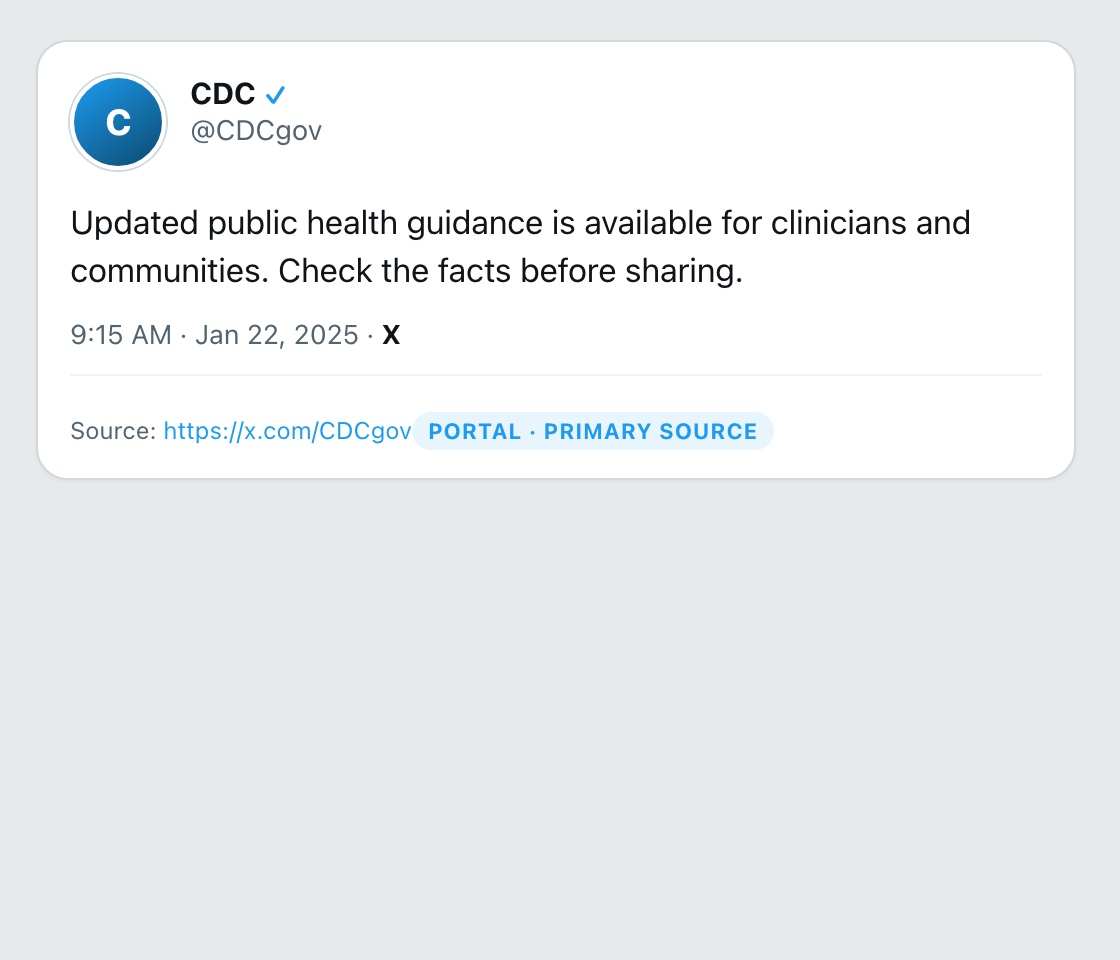
On one side, we have the left, which has increasingly pushed for expansive governmental powers to manage the crisis. While their intentions may be noble, the excessive zeal for intervention risks creating a bureaucratic quagmire that could stifle innovation and free market responses. For instance, calls for extensive regulations on businesses to ensure public safety can backfire, leading to a slowdown in economic recovery and possibly even exacerbating the very issues they aim to resolve. Oversight that becomes overly prescriptive can suffocate the agility that is often needed in a rapidly changing environment.

"In the rush to regulate, we must not forget the power of local solutions."
Excesses of the Right
Conversely, the right has often dismissed the need for oversight altogether, framing it as an infringement on personal liberties and free enterprise. This perspective ignores the reality that without adequate oversight, the potential for abuse and mismanagement rises significantly. The reluctance to impose checks and balances can lead to a lack of accountability in both public and private sectors. It is crucial to understand that oversight does not equate to overreach; rather, it is a means of ensuring that our freedoms are protected and that resources are allocated effectively.
The Middle Ground
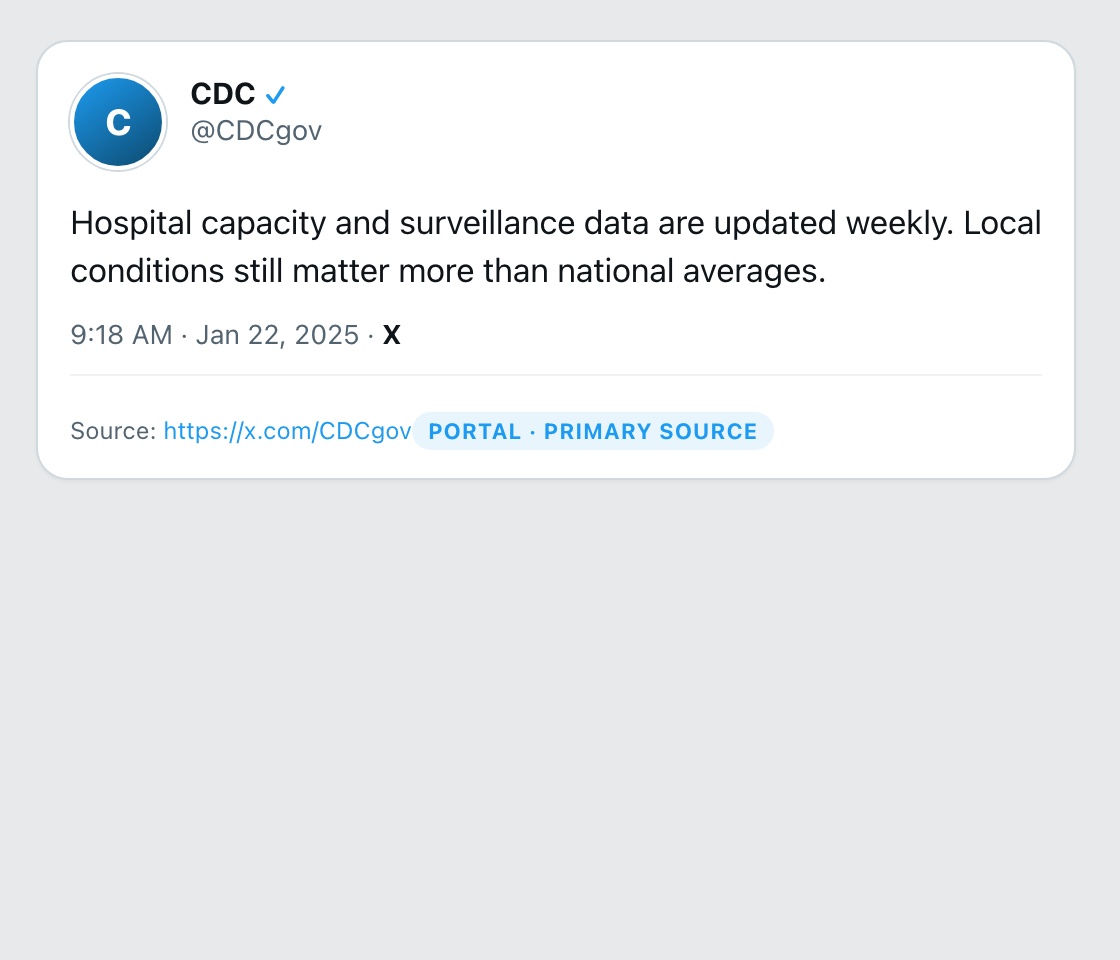
Finding a middle ground is essential. Oversight should not be a weapon wielded by either side, but rather a shared responsibility to ensure that the government serves the public effectively. This requires an honest dialogue about the procedures and structures that need to be in place to hold those in power accountable. A lack of transparency breeds distrust, and as we have seen, the consequences of failing to address oversight can be dire.
The Procedure Nobody Wants to Discuss
So what does effective oversight look like? It begins with a clear understanding of the roles and responsibilities of those in power. Oversight bodies must be independent and adequately funded to perform their duties without political interference. This means establishing clear guidelines for how oversight is conducted, including transparency in reporting and decision-making processes. Importantly, it also requires an inclusive approach that seeks input from a diverse array of stakeholders, including experts from various fields as well as everyday citizens.
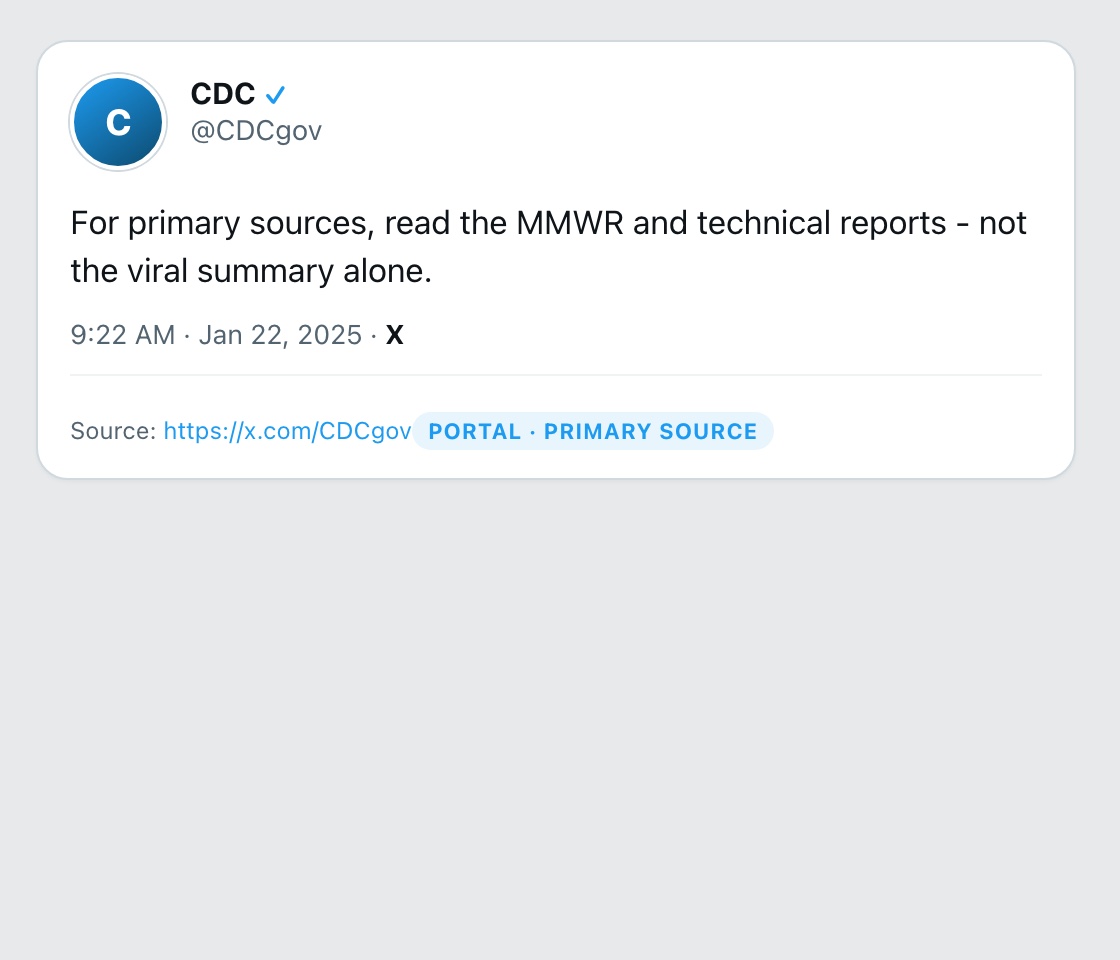
Moreover, oversight cannot be a one-time event or a reaction to crises; it must be an ongoing process. Regular reviews and assessments of governmental actions are vital to ensure that policies remain relevant and effective. This also means that oversight mechanisms themselves must be subject to scrutiny, ensuring that they do not become tools for political agendas.
Conclusion: A Call for Balanced Oversight
In conclusion, both the left and the right must recognize that effective oversight requires a balanced approach. The political extremes must set aside their ideological battles and come together to craft a framework that prioritizes accountability without stifling progress. Oversight should not be viewed through a lens of suspicion but rather as a mechanism that empowers citizens and strengthens democracy. As the headlines fade, the conversation about what oversight truly requires must continue, for it will ultimately determine the health of our society in the years to come.
✦ ✦ ✦