From the file. Written for the paper dated April 2020. Opened in the public stacks July 14, 2026.
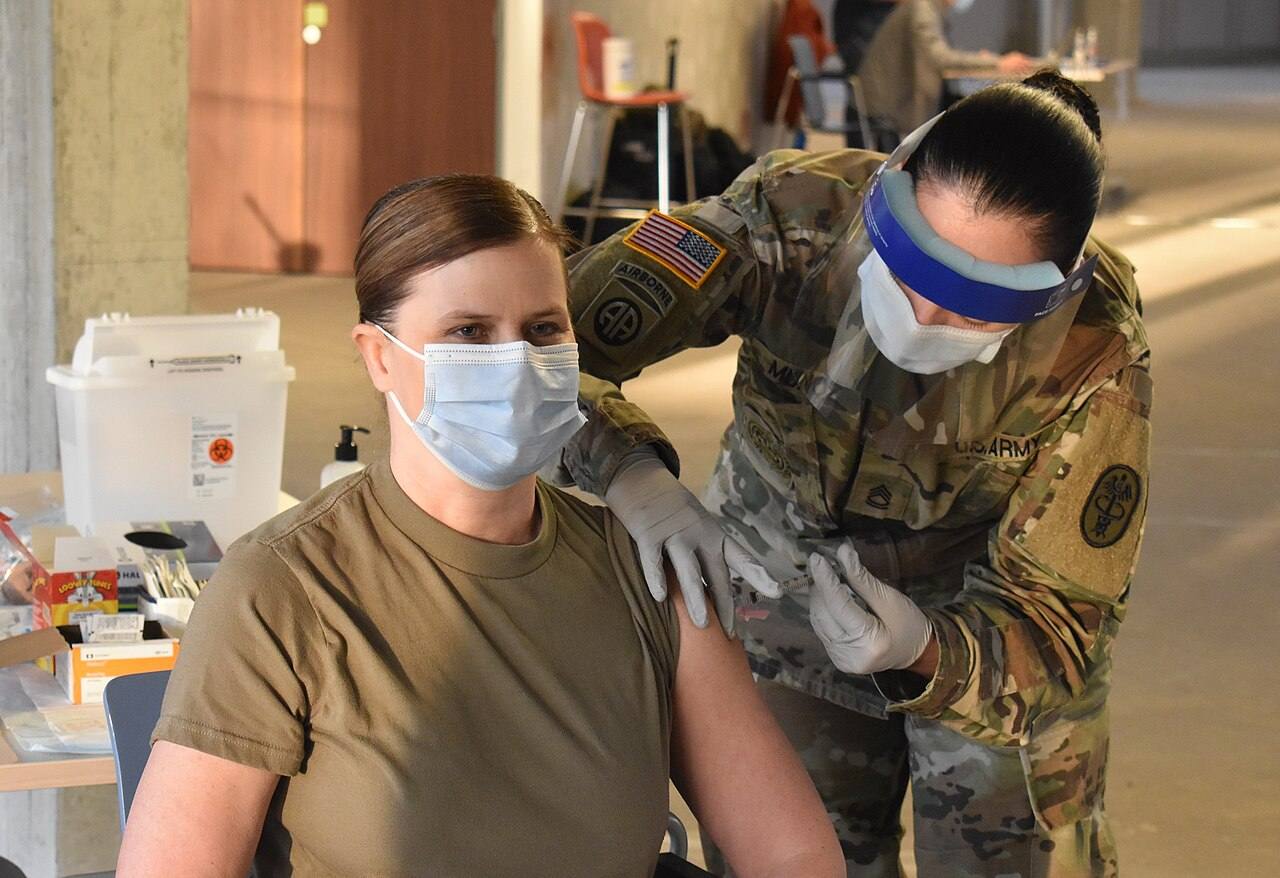
As the world grapples with the COVID-19 pandemic, a different kind of crisis is brewing in hospitals across the nation - one that is often overlooked amid the urgent headlines of the moment: the surgical backlog.
Understanding the Crisis
The postponement of elective surgeries due to the pandemic has resulted in a staggering accumulation of patients waiting for procedures. While the focus has been rightly placed on controlling the virus and protecting public health, the consequences of delaying non-essential surgeries are becoming increasingly apparent. Patients with chronic conditions, those needing routine surgeries, and individuals experiencing pain are left in limbo, facing worsening health outcomes.
Healthcare professionals have been thrust into a difficult position. On one hand, they must adhere to public health guidelines aimed at minimizing the spread of COVID-19; on the other hand, they are acutely aware that every day of delay could mean more complications, greater suffering, and even more hospitalizations in the long run. The dilemma underscores a critical but uncomfortable truth: the healthcare system is not just battling a viral outbreak but is also facing significant challenges in managing other essential health services.

The Elephant in the Operating Room
Despite the urgency of the situation, discussions around surgical backlogs are often overshadowed by the immediate concerns of the pandemic. This oversight raises questions about how we prioritize health care and the narratives that dominate our public discourse. Both sides of the political spectrum are guilty of this excess. The left often emphasizes the need for systemic reforms and universal access without addressing the tangible impacts on patients currently suffering, while the right tends to focus on economic ramifications without adequately acknowledging the health care crisis that is also unfolding.
“The patients waiting for surgery are not just statistics; they are individuals whose lives hang in the balance.”
For many, the surgical backlog is not merely a bureaucratic issue but a deeply personal one. Patients are calling their doctors, confused and frustrated by the uncertainty surrounding their care. As weeks stretch into months, the emotional toll is palpable. Anxiety and fear compound physical ailments, leading to a spiraling effect that can have long-term consequences on mental health as well.
What Are the Solutions?
Addressing the backlog will require strategic planning and collaboration across the health care sector. Hospitals must develop transparent criteria for prioritizing surgeries, ensuring that patients with the most urgent needs are treated first. This requires a careful balancing act, as resources remain stretched thin. The importance of open communication cannot be overstated; patients deserve to know where they stand and what to expect as the situation evolves.

Moreover, lawmakers must step up to provide the necessary support for health care systems. This includes not only funding but also regulatory flexibility to allow hospitals to operate more efficiently during this unprecedented time. The COVID-19 crisis has highlighted the fragility of our health care infrastructure, and the response to the surgical backlog must be part of a broader conversation about health care reform.
A Call for Balanced Discourse
As the media landscape continues to focus largely on COVID-19, it is essential that we also acknowledge the challenges posed by surgical backlogs. The narrative surrounding the pandemic should not overshadow the urgency of addressing other health care needs. Both extremes in the political narrative risk ignoring the individual stories of patients who are waiting for essential care.
Public health officials and lawmakers must work together to ensure that the focus does not solely remain on the virus but also encompasses the broader health care landscape. The surgical backlog is not just a failure of the system; it is a failure to advocate for those who are suffering in silence while headlines spotlight the virus.
Conclusion
As we move forward in navigating the complexities of the COVID-19 pandemic, it is imperative that we do not lose sight of the surgical backlog that has developed in its wake. The conversation must expand to include the voices of patients waiting for care and the professionals who are trying to serve them. Only then can we begin to address this multifaceted crisis effectively.
✦ ✦ ✦