From the file. Written for the paper dated April 2020. Opened in the public stacks July 14, 2026.
As the nation grapples with unprecedented challenges, the primary calendar continues to shape the political landscape in ways that few are willing to discuss. With an election year upon us, the procedures surrounding the primaries deserve scrutiny, yet they often remain shrouded in confusion and partisanship.

The Unseen Mechanics of Primaries
In the midst of a global pandemic, the focus on public health and safety has overshadowed discussions about the primary calendar. Yet, the mechanics of how candidates are selected to represent their parties are crucial to understanding the upcoming election. The primary system is a complex web of state laws, party rules, and voter participation that can significantly influence the political trajectory of the country.

On the left, enthusiasm for progressive candidates has led to a surge in grassroots movements, but this energy often overlooks the intricacies of the primary process. Many progressives advocate for a more inclusive system, aiming to dismantle the barriers that prevent widespread voter participation. However, the reality is that their proposed solutions - while noble - can sometimes ignore the logistical challenges of implementing such changes, especially during a pandemic.
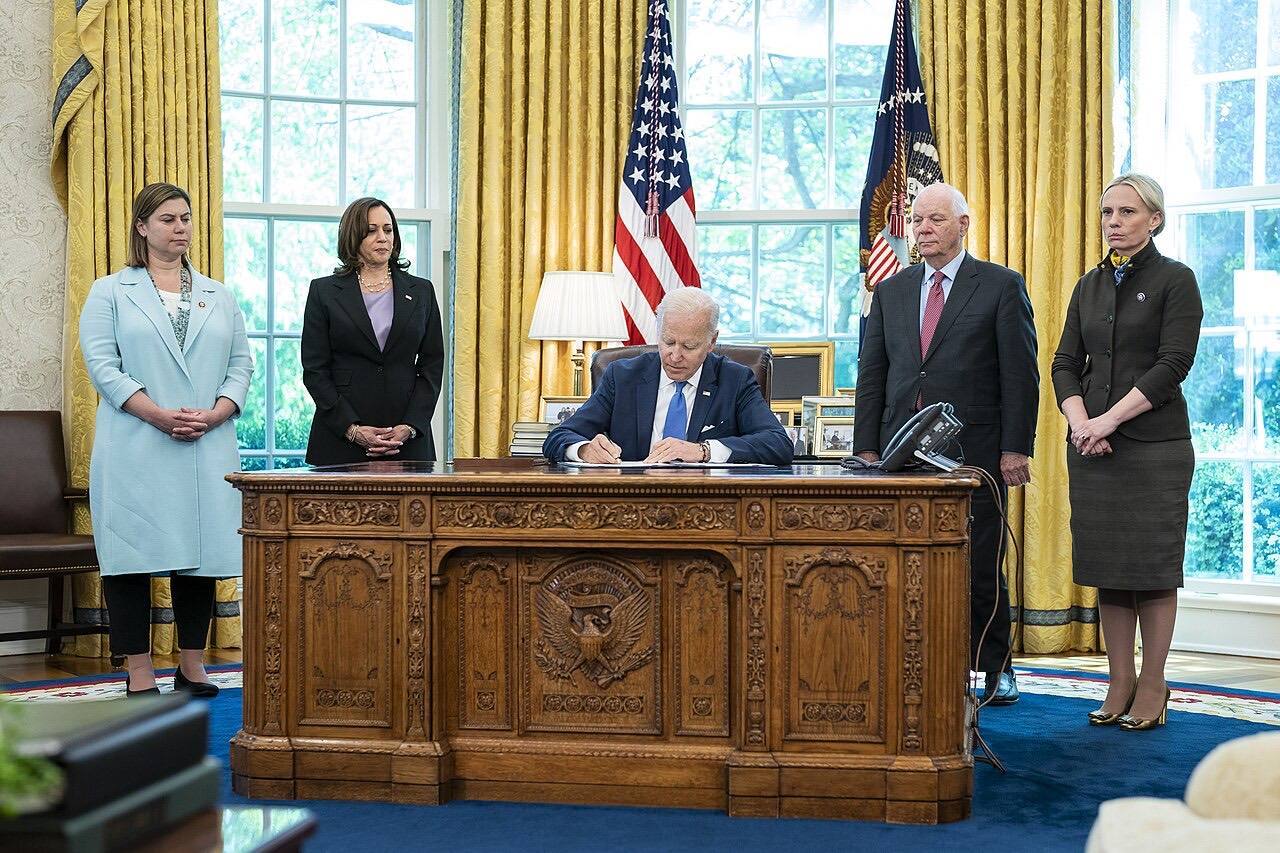
Meanwhile, the right has its own issues with the primary calendar, often rooted in a desire for a more streamlined and controlled selection process. The Republican Party's commitment to maintaining its base has resulted in a reluctance to embrace open primaries that could invite new voices into the conversation. Instead, the GOP risks alienating potential supporters by prioritizing party loyalty over inclusivity.
State-by-State Variability
Each state has its own rules regarding primaries, with some opting for closed primaries where only registered party members can vote, while others allow independents to participate. This variation can lead to strategic voting, where partisan voters may try to influence the outcome of the opposing party’s primary. Such tactics can undermine the spirit of fair competition and lead to candidates who may not truly represent the values of their party's base.
“We need to have a serious discussion about how our primary system reflects the will of the people, not just the whims of party elites.”
The Impact of COVID-19
The COVID-19 pandemic has added an additional layer of complexity to the primary process. With many states postponing elections or shifting to mail-in ballots, accessibility has become a pressing concern. For many voters, especially in marginalized communities, the ability to participate in primaries may be significantly hindered. This raises critical questions about equity in the electoral process.
Moreover, the pandemic has prompted both parties to reassess their strategies. Democrats may argue that the need for broader accessibility aligns with their platform of inclusivity, yet they must also ensure that such measures do not lead to confusion or disenfranchisement. Similarly, Republicans face the challenge of maintaining enthusiasm among their base while adapting to new voting methods.
Party Elites vs. Grassroots Movements
As the primaries unfold, tension between party elites and grassroots activists is likely to intensify. While party leaders often prioritize stability and electability, grassroots movements demand change and representation. This divide is particularly evident in the Democratic Party, where the struggle between establishment candidates and progressive challengers heightens with each passing primary.
Critics on both sides argue that their opponents are out of touch with the needs of everyday Americans. However, this blame game only serves to distract from the real issues at hand: the need for a primary system that is fair, transparent, and truly representative of the electorate. Both parties must address their excesses and acknowledge the shortcomings of their approaches if they hope to galvanize support in the upcoming election.
Looking Ahead
As we navigate this uncertain landscape, the importance of the primary calendar cannot be overstated. It serves as a litmus test for the health of our democracy and the willingness of our political parties to adapt to the needs of their constituents. For voters, the primary process is not merely a series of events; it is an opportunity to shape the political future of the nation.
For both the left and the right, the challenge lies in bridging the gap between their respective factions. Embracing an open dialogue about the primary calendar could pave the way for a more inclusive and effective electoral process. As we move forward, it is vital that all parties recognize the shared responsibility of enhancing voter engagement and ensuring that every voice counts in the democratic process.
✦ ✦ ✦