From the file. Written for the paper dated February 2020. Opened in the public stacks July 14, 2026.
As the winter months progress, the conversation surrounding weather models continues to evolve. The science behind predicting weather patterns has grown increasingly sophisticated, yet it remains a topic fraught with controversy and misinterpretation.
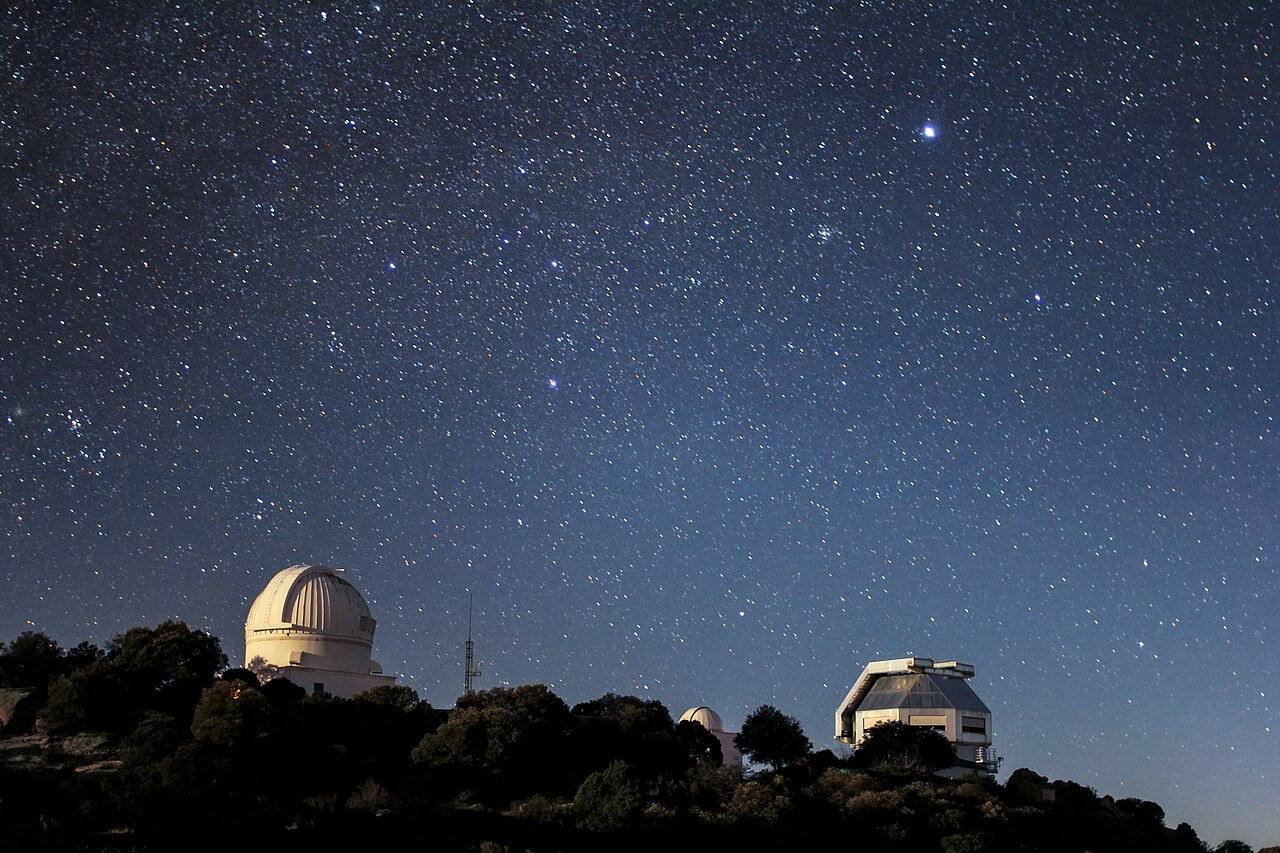
Understanding Weather Models
Weather models are complex systems that use mathematical equations to simulate the atmosphere's behavior. These models rely on data collected from various sources, including satellites, weather stations, and balloon observations. The goal is to create a comprehensive picture of current conditions and predict future weather. Despite their advancements, these models are not infallible and can lead to misunderstandings when their predictions do not align with the public's expectations.

Critics from both ends of the political spectrum have taken to dismissing or overstating the reliability of these models. On one side, some on the left argue that climate change makes predicting weather patterns more difficult, suggesting that models are inherently flawed. Conversely, those on the right may assert that the science is exaggerated, promoting skepticism about the models' accuracy. This polarization only serves to cloud our understanding, leading to a fragmented discourse on a critical subject.
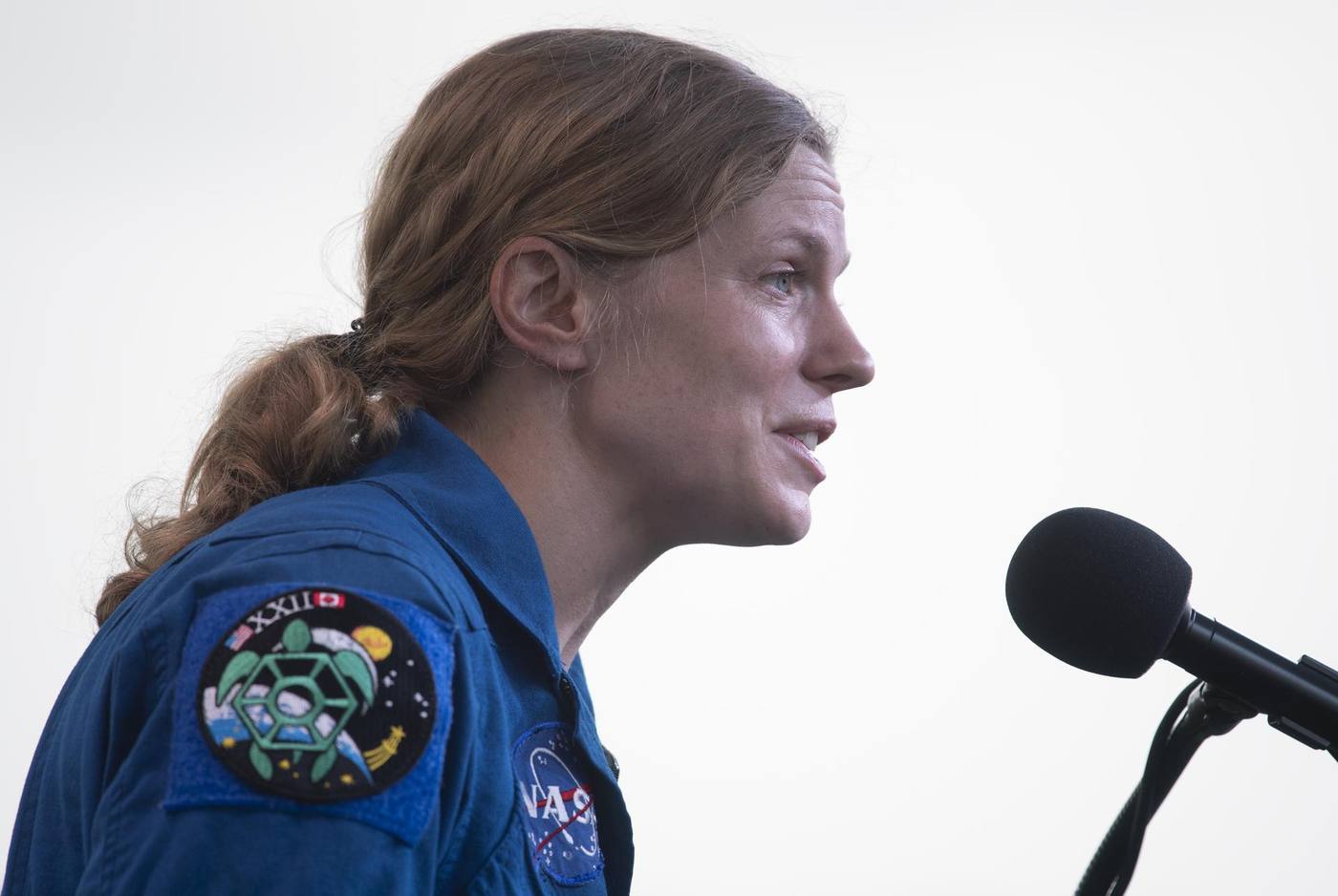
"When data becomes politicized, the conversation shifts from evidence to ideology."
The Role of Data in Weather Predictions
At its core, the effectiveness of a weather model hinges on the quality and quantity of data available. As technology improves, so does the ability to collect localized data, which can enhance the precision of forecasts. However, the increasing volume of information can also lead to confusion. When forecasts are based on conflicting data, it can create a rift in public perception, leading citizens to question the validity of the predictions.
Moreover, the language used in weather reporting contributes to this confusion. Terms like "likely," "possible," and "probable" can be misinterpreted by the public, leading to either excessive alarm or undue complacency. The media's role in this narrative cannot be overstated. Sensationalized headlines often overshadow the nuanced understanding required to interpret weather models accurately.
The Impact of Climate Change on Weather Models
Climate change adds another layer of complexity to weather modeling. As global temperatures rise, traditional models must adapt to account for new variables. This adaptation can lead to discrepancies between predictions and reality, further fueling the fire of skepticism on both sides. Some progressives argue that it highlights the urgent need for climate action, while conservatives may use it to question the scientific consensus on climate issues.
This debate often misses a fundamental truth: the need for collaboration and understanding among all parties involved. Scientific inquiry should not be a battleground between ideologies but rather a shared pursuit of knowledge that can inform policy and individual actions.
The Future of Weather Predictions
Looking ahead, the future of weather models will likely involve even more sophisticated technology and methodologies. Innovations in data collection and processing could yield more accurate forecasts. However, for these advancements to be effective, they must be accompanied by clear communication to the public. Educating citizens about the science of weather prediction is crucial to bridging the gap between the scientific community and the general population.
Furthermore, addressing the political divides surrounding climate science is essential. Encouraging dialogue that fosters understanding rather than division can help stabilize public trust in scientific predictions. This requires a commitment from all sides to prioritize evidence over identity, focusing on the shared goal of understanding our planet's weather patterns.
Conclusion
Weather models are a powerful tool for understanding our atmosphere, yet they are not without limitations. As we continue to refine these models and navigate the complexities of climate change, it is crucial to prioritize evidence-based discussions over political ideologies. Only through a collective effort can we hope to harness the full potential of science in addressing the pressing challenges posed by our changing climate.
✦ ✦ ✦