From the file. Written for the paper dated February 2020. Opened in the public stacks July 14, 2026.
As tensions continue to simmer between the United States and various global powers, the debate surrounding war powers has surged to the forefront of national discourse. This ongoing conversation raises crucial questions about the balance between executive authority and congressional oversight in matters of military engagement.
The Constitutional Framework
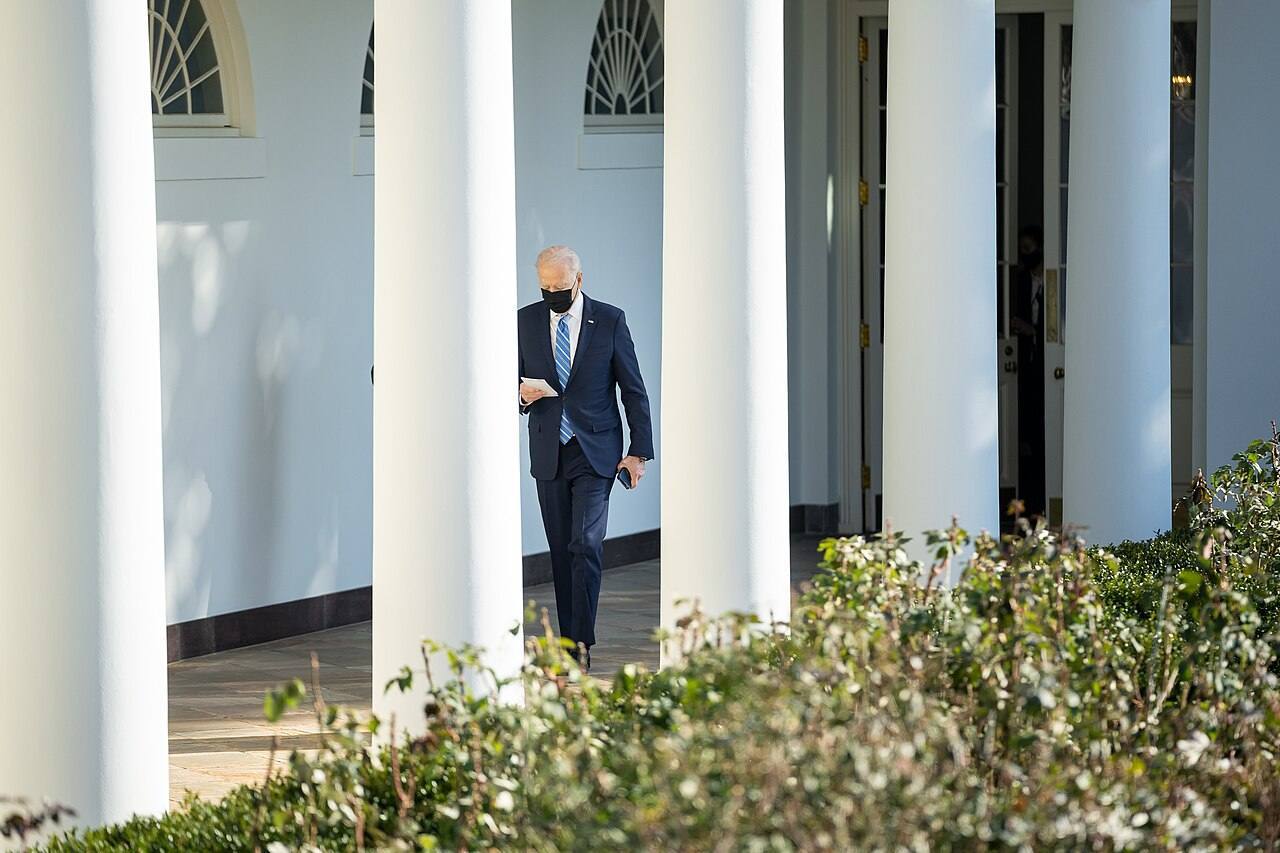
The framers of the Constitution envisioned a system of checks and balances, ensuring that the power to declare war would not rest solely with the executive branch. Article I, Section 8 grants Congress the authority to declare war, while Article II, Section 2 designates the president as the commander-in-chief. This division of power was intended to prevent unilateral military action by the executive branch and to foster a collective decision-making process that reflects the nation's will.
Moments of Crisis
Recent events have reignited the war powers debate, particularly following the U.S. drone strike that killed Iranian General Qassem Soleimani. The Trump administration justified the action by citing the need to protect American lives, framing it as a necessary response to imminent threats. However, critics argue that such a significant military action requires congressional approval, raising concerns about the potential for unchecked presidential power.
"The president cannot unilaterally decide to go to war. Our democratic process demands that Congress has a voice in such critical decisions." - Senator Elizabeth Warren
On the other side of the aisle, some Republicans defend the president's actions, asserting that he has the constitutional authority to act decisively in the face of threats. This perspective emphasizes a more expansive interpretation of executive power, particularly in matters of national security. Yet, this interpretation also risks undermining the foundational principles of democratic governance.

Voices from the Left
Progressives have long argued for a more restrained approach to military intervention. They advocate for a return to a framework where Congress plays a more active role in matters of war. Figures like Senator Bernie Sanders have called for a reevaluation of the Authorization for Use of Military Force (AUMF), which has been used to justify various military actions since its passage in 2001. The left's insistence on accountability reflects a broader desire for a foreign policy that prioritizes diplomacy over military engagement.
Concerns from the Right
Interestingly, some conservatives have joined this critique of executive overreach. Figures like Senator Rand Paul have voiced concerns over the erosion of congressional authority in matters of war. They argue that unchecked presidential power not only undermines democratic principles but also sets a dangerous precedent for future administrations, regardless of their political affiliations. This cross-party coalition highlights a growing unease about the implications of expanding executive authority.

The Role of Public Opinion
Public sentiment plays a crucial role in shaping the war powers debate. Many Americans express fatigue over prolonged military engagements, particularly in the Middle East. This weariness has prompted calls for a reevaluation of U.S. foreign policy, advocating for a shift away from military intervention toward more diplomatic solutions. However, the political polarization surrounding this issue complicates efforts to forge a consensus on the appropriate balance of power.
Looking Forward
As the war powers debate continues to evolve, it is essential for both sides to engage in a constructive dialogue that prioritizes the nation's democratic principles. The potential for bipartisan collaboration exists, as both left and right recognize the importance of restoring legislative authority in matters of war. However, this requires a willingness to move beyond partisan rhetoric and engage in a genuine examination of the implications of military decisions.
Ultimately, the stakes are high. The nation's future direction hinges on the ability of its leaders to navigate the complexities of war powers while honoring the foundational principles of democracy. As Americans, we must insist on a foreign policy that not only reflects our values but also safeguards the democratic process that underpins our government.
✦ ✦ ✦