From the file. Written for the paper dated February 2020. Opened in the public stacks July 14, 2026.
As the echoes of military strikes and political posturing gradually fade, the debate surrounding war powers in the United States takes center stage once more. In the current political climate, both sides seem to be vying for the narrative, often losing sight of the critical issues at hand.
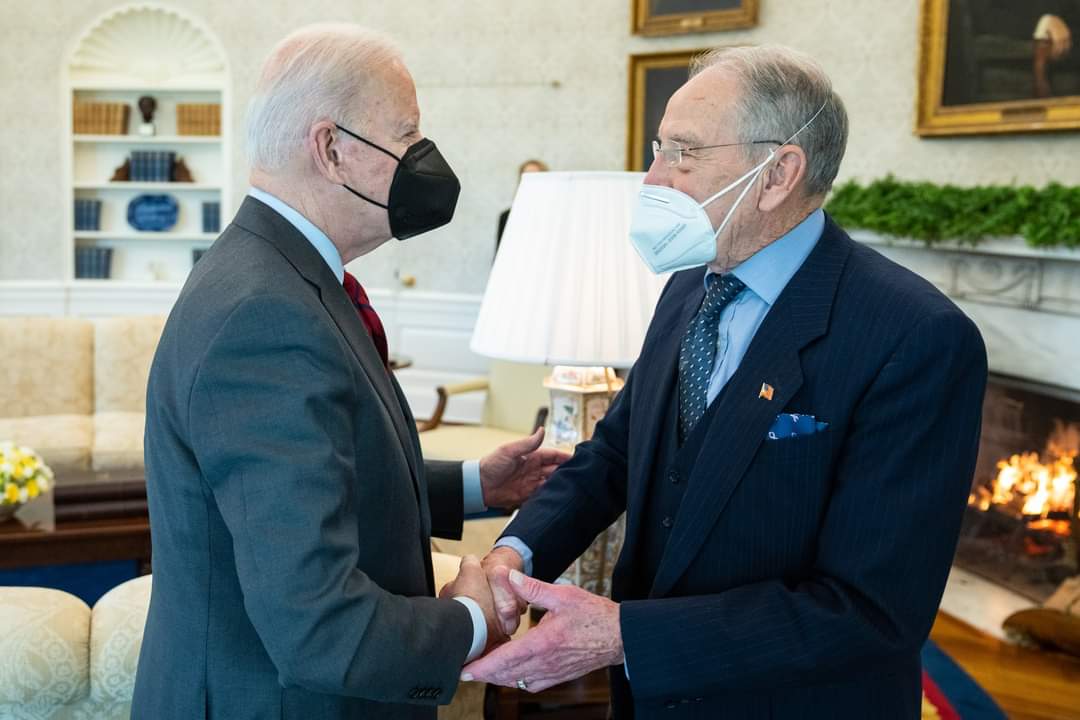
The Political Landscape
In recent months, the decision-making process regarding military engagement has been scrutinized like never before. With the U.S. embroiled in conflicts across the globe, the question of who holds the authority to declare war has become a contentious topic. The left argues for a more congressional approach, emphasizing the need for formal declarations of war, while the right often invokes the necessity of swift military action in the face of emerging threats.
While the Constitution grants Congress the power to declare war, the executive branch has increasingly taken the reins, often bypassing legislative approval. This practice has led to a blurred line between necessary military action and unchecked executive power. Critics from both sides of the aisle express concern that this trend undermines democratic principles and the system of checks and balances envisioned by the Founding Fathers.
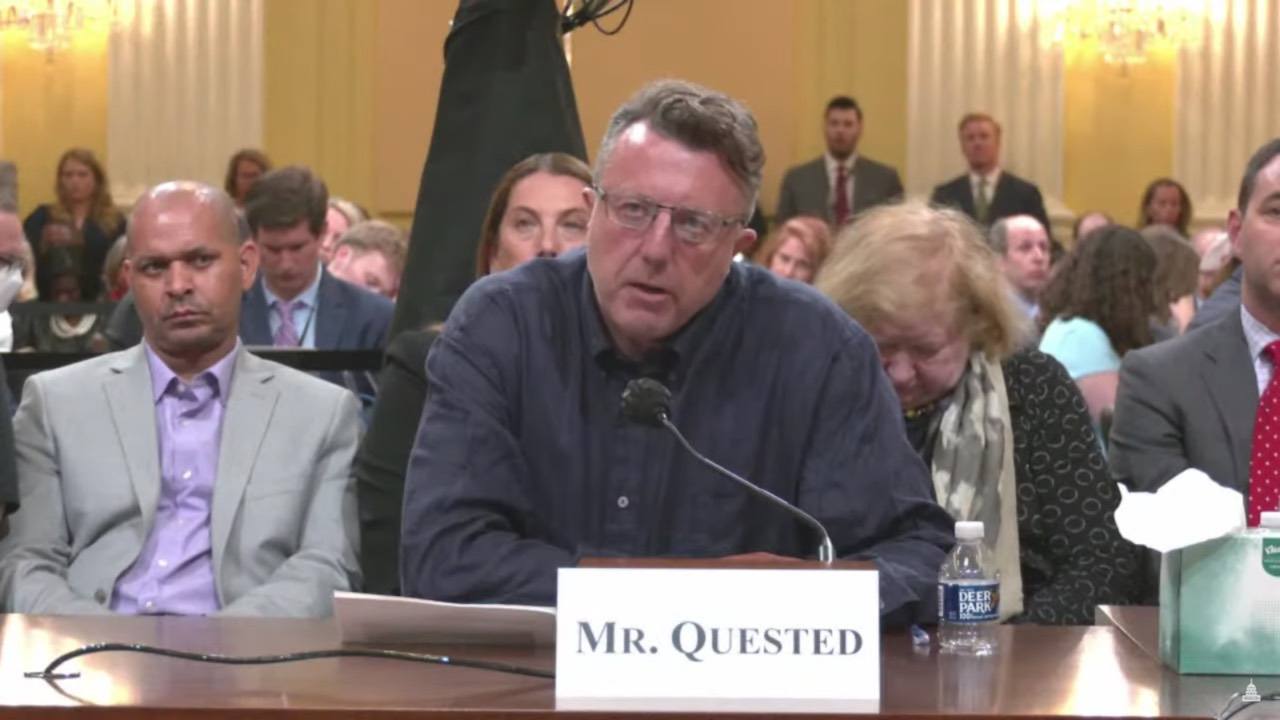
"Both parties are guilty of prioritizing political identity over the gravity of military engagement."
Left vs. Right: A Question of Identity
The left has rallied around the idea that every military action requires thorough debate and consent from Congress. This stance is not merely about checking presidential power; it embodies a broader commitment to accountability and transparency in governance. However, some progressives risk falling into the trap of excessive caution, which could hinder the nation's ability to respond decisively to threats.

On the other hand, the right often champions a robust military response, framing any hesitation as weakness. This perspective can lead to dangerous escalation, as it may prioritize military might over diplomatic solutions. The call for immediate action, while appealing in times of crisis, can sometimes overshadow the need for careful consideration and strategy.
Public Perception and Military Engagement
The American public remains divided on these issues. Polls indicate that many citizens are weary of prolonged military involvement but also express a desire for strong national defense. This dichotomy fosters an environment where political leaders feel compelled to cater to their base's sentiments rather than engage in honest dialogue about the complexities of military intervention.

Moreover, the media often sensationalizes military actions, framing them in a way that can skew public perception. Headlines may invoke patriotic fervor or stoke fears of imminent threats, but seldom do they delve into the nuances of international relations or the consequences of military action. This lack of depth in reporting can lead to a population that is ill-informed and unprepared to engage in meaningful discourse about war powers.
Moving Forward: A Call for Bipartisanship
As the war powers debate unfolds, it is crucial for both sides to rise above partisan identity politics. The stakes are too high for political gamesmanship. A collaborative approach that honors the Constitution while addressing national security needs is essential. Legislators must be willing to engage in difficult conversations that may require compromise - something that has become increasingly rare in today's political climate.
Moreover, it is imperative for the public to hold their representatives accountable. Engaging in dialogues about military actions and demanding transparency can help restore faith in the democratic process. Only through informed citizenship can the nation ensure that its leaders are guided by the principles of liberty and justice, rather than the whims of political expediency.
Conclusion: A Shared Responsibility
In conclusion, the debate over war powers is not merely an issue for politicians to hash out in Washington. It is a shared responsibility that calls for the active participation of the American public. By fostering a culture of accountability and informed discussion, both citizens and leaders can work together to ensure that military engagement is approached with the seriousness it deserves, free from the excesses of partisan identity.
✦ ✦ ✦