From the file. Written for the paper dated January 2020. Opened in the public stacks July 14, 2026.
As the debate surrounding healthcare access intensifies, the issue of pharmacy deserts has emerged as a significant concern. While public statements often highlight the urgent need for improvement, the reality on the ground suggests a more complex picture.
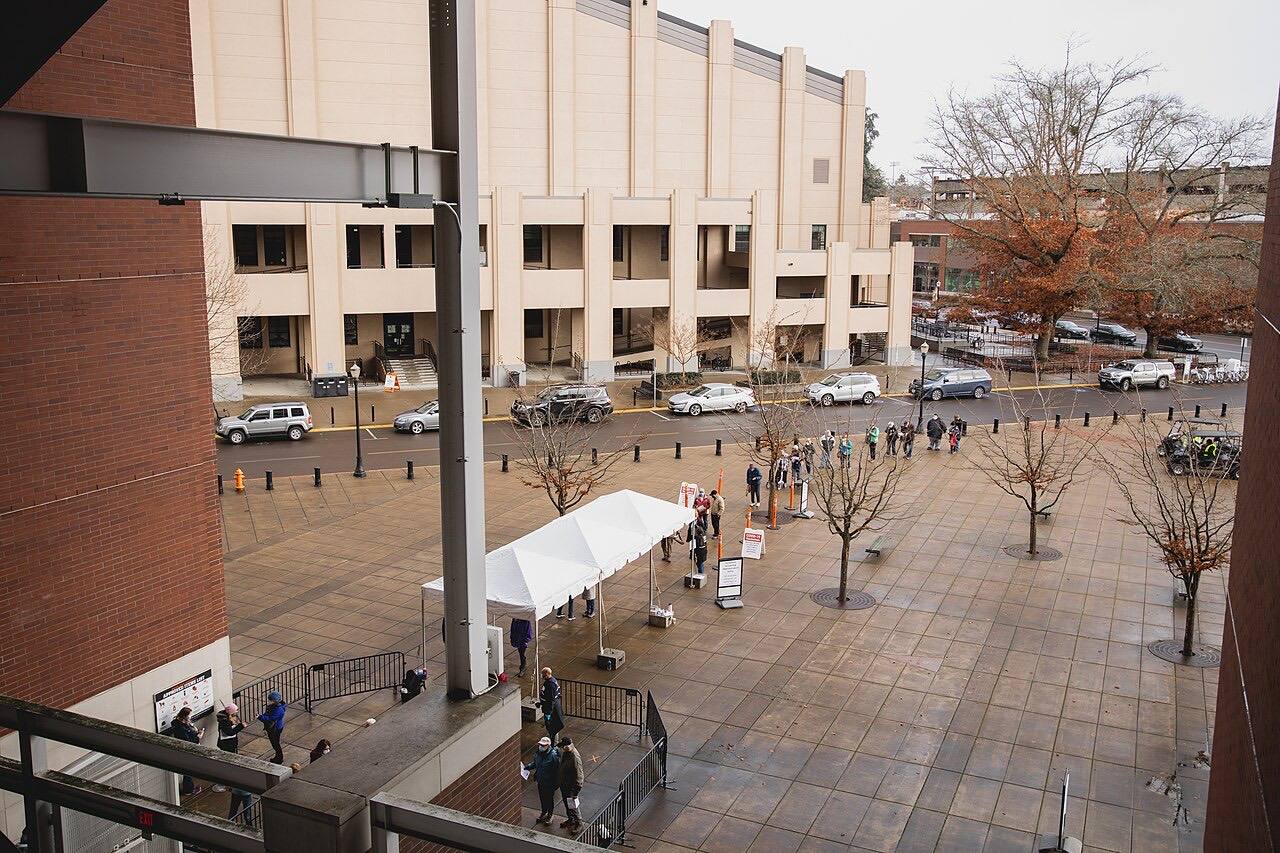
The Rise of Pharmacy Deserts
Pharmacy deserts, areas where residents have limited or no access to pharmacies, are increasingly prevalent in both urban and rural settings. As the opioid crisis continues to dominate headlines, the availability of prescription medications becomes critical. Yet, many communities lack adequate pharmacy services, leading to potential health risks for residents who rely on timely access to medications.

According to public health advocates, pharmacy deserts often intersect with socioeconomic factors, disproportionately affecting low-income and minority communities. These areas may experience higher rates of chronic diseases, necessitating a reliable source for medications and healthcare services.

Public Claims and the Reality
"Access to medication is a fundamental right, yet many in our communities are left without options." - Public Health Advocate
Despite the alarming statistics and testimonials from affected individuals, public claims regarding the urgency and importance of addressing pharmacy deserts often fall short of translating into actionable change. Politicians and advocacy groups frequently emphasize the need for increased funding and policy reform, but the results remain elusive.
For instance, while some lawmakers propose legislation aimed at expanding pharmacy access, the actual implementation of these initiatives has been sluggish. In many cases, funding is not allocated effectively, leaving communities without the necessary resources to attract and retain pharmacies.
Left and Right Excesses
The dialogue surrounding pharmacy deserts is rife with excesses from both sides of the political spectrum. On the left, there is a tendency to oversimplify the issue, framing it purely as a matter of corporate greed and systemic oppression. While these factors do play a role, they fail to consider the complexities involved in establishing pharmacies, including market viability and regulatory hurdles.

Conversely, the right often downplays the issue entirely, framing it as an overreach of government intervention. This perspective neglects the reality that many communities genuinely struggle with access to essential health services. By dismissing the problem, they risk perpetuating health disparities that could have been addressed through thoughtful policy solutions.
Challenges in Addressing Pharmacy Deserts
Addressing pharmacy deserts requires a multifaceted approach. Community engagement is crucial; residents must be involved in identifying their specific needs and advocating for their interests. Additionally, partnerships between local governments, healthcare providers, and pharmacy chains can create a more sustainable model for expanding access.
Moreover, innovative solutions, such as mobile pharmacies and telepharmacy services, have shown promise in bridging gaps in access. However, these initiatives require investment and support from both public and private sectors. Without a concerted effort to address the root causes of pharmacy deserts, residents will continue to face barriers to their healthcare needs.
The Path Forward
The path forward demands a reevaluation of how communities approach pharmacy access. It is essential to listen to the voices of those who are directly impacted by pharmacy deserts, ensuring that their experiences inform policy decisions. Additionally, fostering collaboration among stakeholders can lead to sustainable solutions that prioritize health equity.
As the conversation around pharmacy deserts evolves, it is vital for both sides of the political spectrum to engage in constructive dialogue. The issue is not merely a partisan talking point; it is a matter of public health that affects countless lives. Finding common ground will be critical in addressing the urgent need for accessible pharmacy services.
Conclusion
Pharmacy deserts represent a significant challenge in the quest for equitable healthcare access. As public claims continue to highlight these issues, the focus must shift toward genuine solutions that address the complexities of establishing pharmacy services in underserved areas. Only through collaborative efforts can we hope to bridge the gaps that currently exist in our healthcare system.
✦ ✦ ✦