From the file. Written for the paper dated January 2020. Opened in the public stacks July 14, 2026.
As the new year unfolds, the specter of Main Street bankruptcies looms large, raising questions about the veracity of claims made by both sides of the political aisle regarding the health of our economy.

Public Claims vs. Economic Reality
The past few weeks have seen a flurry of rhetoric from politicians and pundits alike, each eager to put their spin on the state of the economy. On one side, we have those on the right touting the success of tax cuts and deregulation as the driving forces behind an economic boom. Meanwhile, voices on the left caution against complacency, warning that the benefits of such policies have not reached the average American.
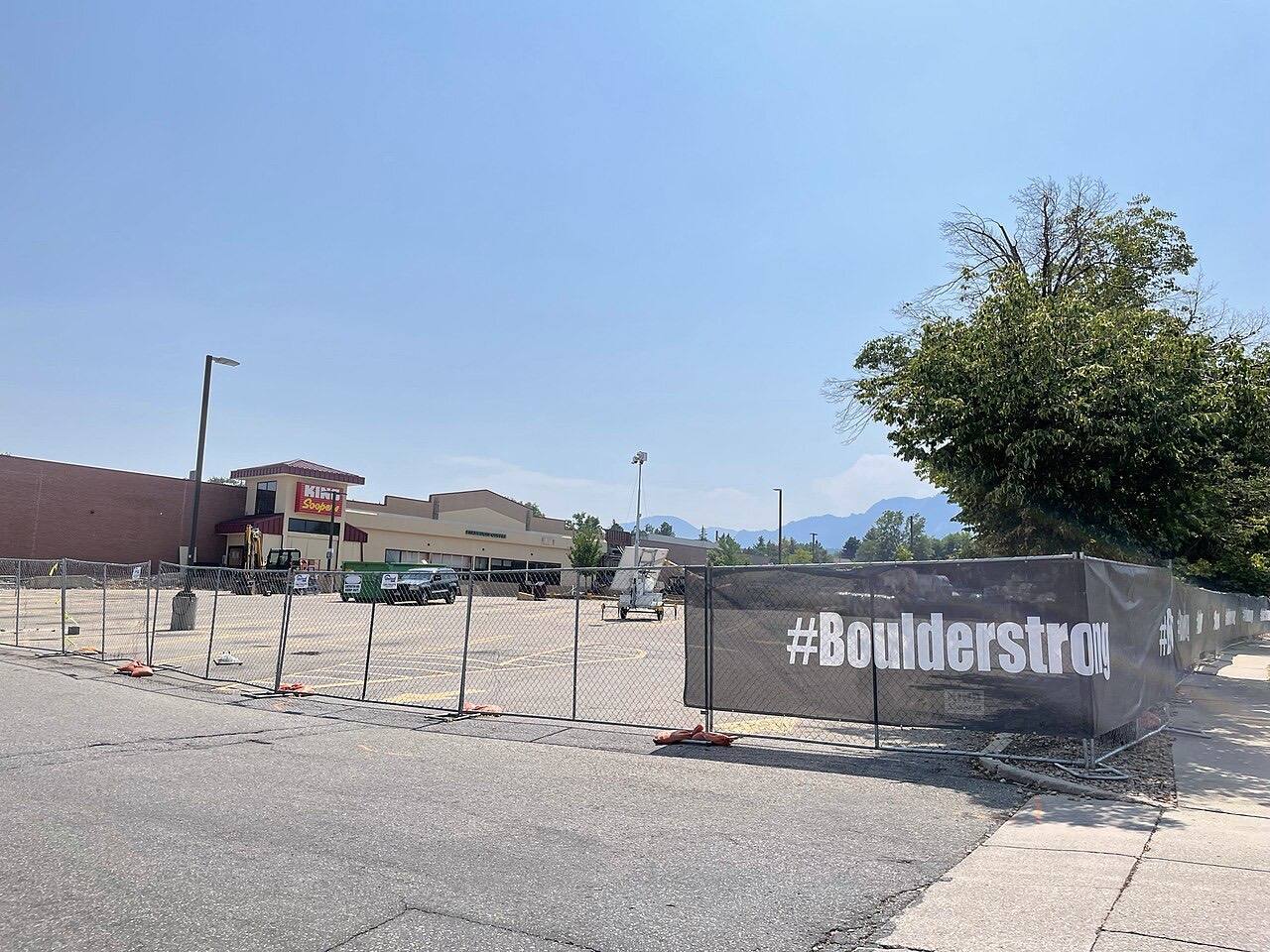
Yet, the reality for many small businesses is starkly different. In the first month of 2020 alone, reports indicate a troubling rise in Main Street bankruptcies. Business closures are not just statistics; they represent the end of dreams and livelihoods for countless individuals. The dichotomy between the positive economic data frequently cited by conservative lawmakers and the lived experiences of small business owners raises critical questions about the accuracy of these claims.
"The numbers may reflect growth, but they do not account for the struggles faced by small businesses on the ground."
One prominent concern is the rise in consumer debt, which has been fueled by the same tax cuts celebrated by many on the right. Critics argue that while tax breaks for corporations may appear beneficial on paper, they have not translated into sustainable growth for smaller enterprises. Instead, many small business owners are left grappling with mounting debts and dwindling cash reserves.
The Left’s Alarm: A Call for Caution
On the left, there is a growing chorus warning against the dangers of overconfidence in the current economic climate. Progressives have long argued that economic policies favoring the wealthy do little to alleviate the struggles of working-class Americans. As more small businesses file for bankruptcy, these voices grow louder, calling for a reassessment of the economic strategies that have dominated the conversation.
However, there are risks associated with this approach as well. The left’s tendency to paint a bleak picture of the economy can lead to an atmosphere of fear and uncertainty. This, in turn, can stifle consumer confidence and discourage spending, ultimately exacerbating the very issues they seek to address. A balance must be struck between acknowledging the struggles faced by many and recognizing the positive indicators that exist.
Finding Common Ground
As the political discourse continues to polarize, it becomes increasingly crucial for both sides to find a middle ground. While it is essential to address the valid concerns of small business owners facing bankruptcy, it is equally important to recognize the broader economic indicators that may suggest stability or growth.
In seeking solutions, lawmakers must engage in open dialogue that transcends party lines. Policies aimed at supporting small businesses - such as access to low-interest loans, tax incentives for hiring, and educational resources for new entrepreneurs - should be prioritized over partisan squabbling. A comprehensive strategy that addresses the needs of both small businesses and consumers will be crucial in ensuring a balanced economic landscape.
Conclusion: Bridging the Divide
The current state of Main Street bankruptcies serves as a reminder that economic narratives are often shaped by political motivations. As we move deeper into 2020, it is imperative for both sides to step back and evaluate the evidence before them. Acknowledging the complexities of the economic landscape will not only foster more productive discussions but ultimately lead to more effective policies that benefit all Americans.
✦ ✦ ✦