From the file. Written for the paper dated May 2006. Opened in the public stacks July 14, 2026.
As the spring housing market heats up, the question on everyone's mind is whether the current boom is sustainable or just a mirage fueled by cheap credit and rampant speculation.
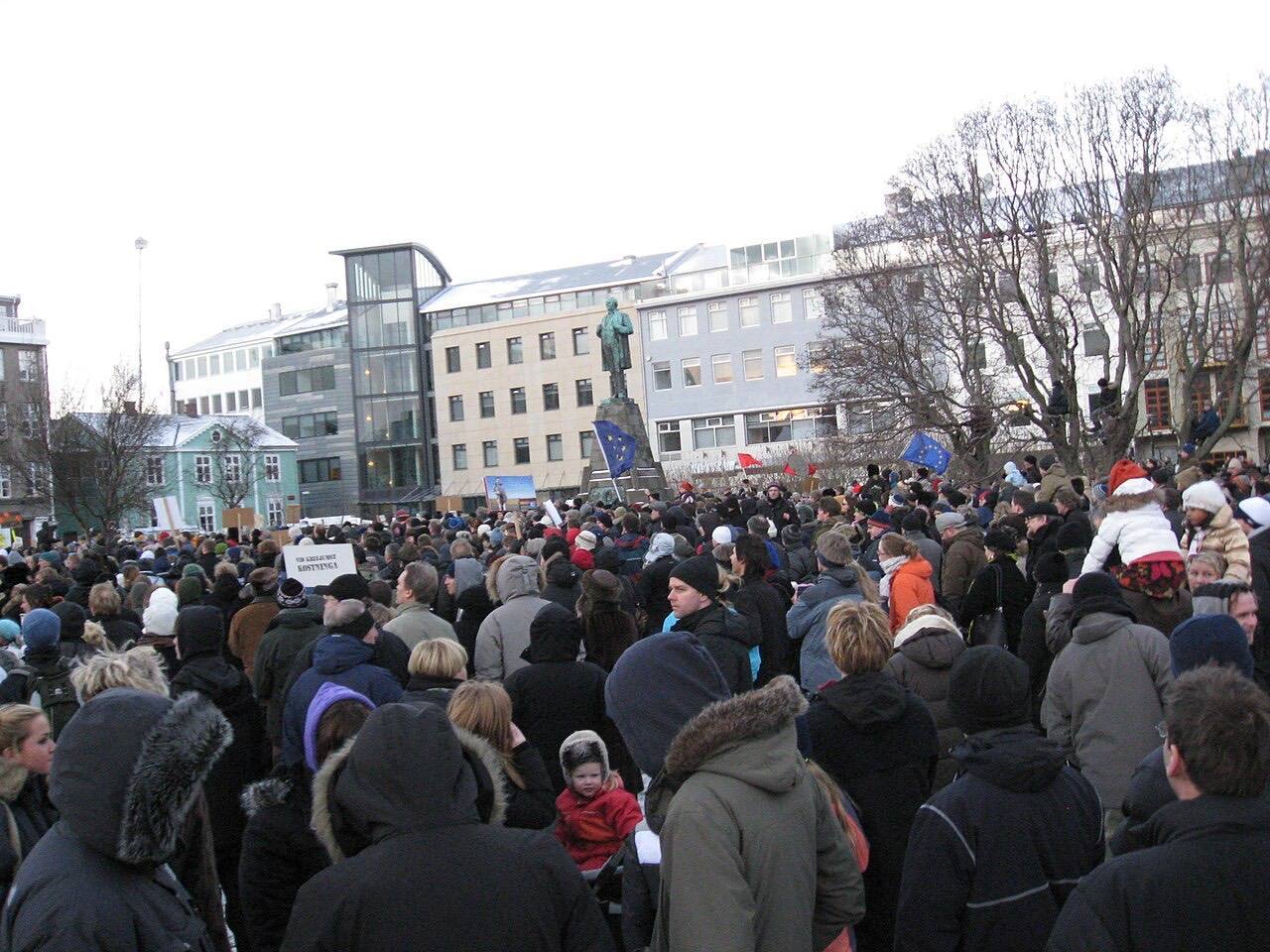
"The allure of quick profits in the housing market can cloud judgment."The American Intelligencer
The Role of Cheap Credit
In the wake of the Federal Reserve's aggressive rate cuts in recent years, mortgage lending has become more accessible than ever. Many buyers are taking advantage of adjustable-rate mortgages (ARMs) that offer enticingly low initial payments. However, as these rates reset, many may find themselves facing unaffordable monthly obligations. Lenders are extending credit to individuals with questionable credit histories, leading to concerns about the long-term viability of these loans. Analysts warn that this could create a ticking time bomb in the housing market, with a wave of potential foreclosures looming on the horizon.
Local Incentives and Speculation
Local governments are also playing a role in the housing frenzy, offering incentives to attract new residents and boost local economies. Tax breaks, subsidies, and relaxed zoning laws are enticing developers to build new housing, further inflating prices. In some cities, speculative buying has become a common practice, with investors purchasing multiple properties with the expectation that prices will continue to rise indefinitely. This culture of "flipping" homes has turned many neighborhoods into playgrounds for investors rather than communities for families.
The Shared Delusion
Amid all this activity, a shared delusion seems to be taking hold: that housing prices will continue to climb, and that real estate is a guaranteed investment. Homeowners are increasingly viewing their properties not just as places to live, but as vehicles for wealth accumulation. This mindset is reinforced by media coverage that often highlights success stories of those who have profited from the boom, while overlooking the risks involved. The perception that housing is a surefire way to build wealth is seductive, yet it neglects the cyclical nature of real estate markets.
The Impact on Communities
The impact of this housing boom is not uniform across the nation. While some areas are experiencing rapid growth, others are seeing stagnation or decline. This disparity raises questions about affordability and accessibility for many families. As prices rise, first-time homebuyers are increasingly priced out of the market, leading to a growing divide between those who can afford to buy and those who cannot. Communities that once thrived on diversity and economic opportunity are at risk of becoming enclaves for the affluent, exacerbating income inequality.
What Lies Ahead?
Looking forward, the outlook for the housing market remains uncertain. Will the trend of rising prices continue, or will we see a correction as interest rates rise and lending standards tighten? Many experts suggest that a slowdown is inevitable, particularly if economic growth fails to keep pace with the rapid expansion of the housing market. While some homeowners may feel secure in their investments, others may soon find themselves grappling with declining property values and mounting debt.
A Call for Caution
As the summer months approach, potential buyers and investors would do well to exercise caution. The allure of quick profits in the housing market can cloud judgment and lead to risky financial decisions. Now is the time for buyers to carefully assess their personal financial situations and consider the long-term implications of their investments. In the end, the housing market is not merely a game of chance, but a fundamental part of the economy that affects everyone.
✦ ✦ ✦
For local service context, see Ownersfirm.