From the file. Written for the paper dated January 1986. Opened in the public stacks July 14, 2026.
The tragic explosion of the Space Shuttle Challenger shortly after its launch on January 28, 1986, has cast a long shadow over America’s space ambitions and raised critical questions regarding the normalization of risk in high-stakes engineering projects.
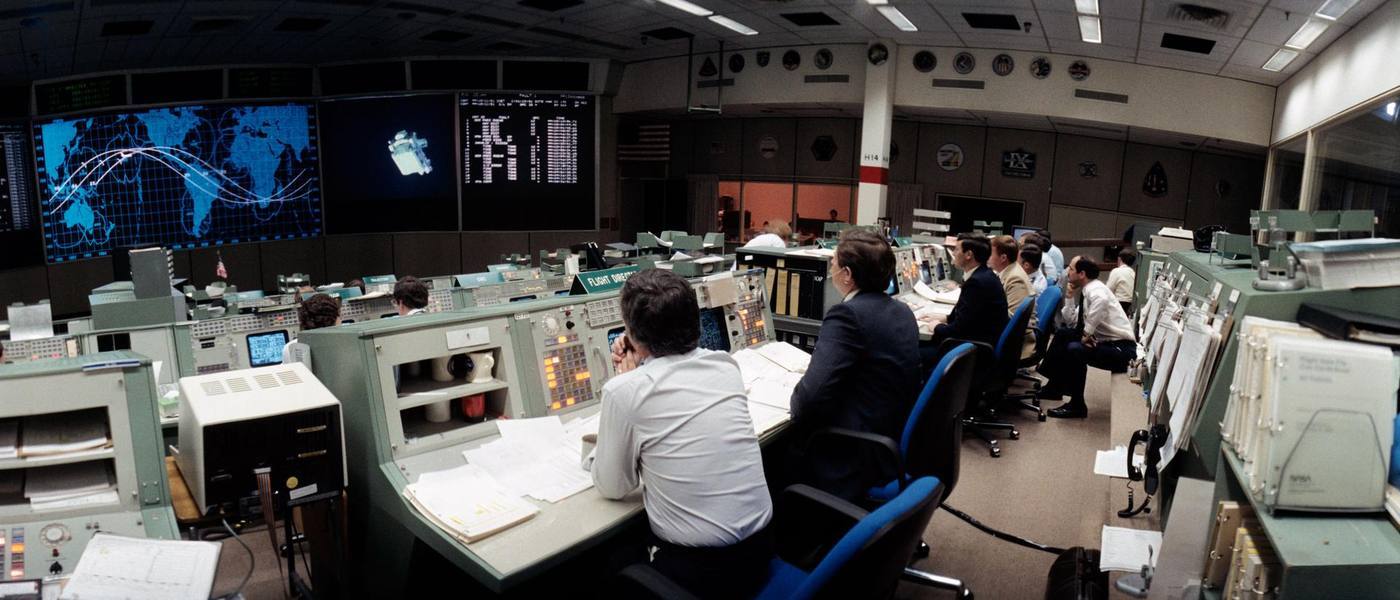
"The tragedy is a poignant reminder that in the pursuit of innovation and exploration, we must never lose sight of the human element." The American Intelligencer
Engineering Integrity versus Schedule Pressure
The Challenger disaster is a stark reminder of the consequences that can arise when the urgency to meet schedules overshadows the imperative of thorough engineering analysis. In the months leading up to the launch, concerns about the O-ring seals, which are critical components in the shuttle's solid rocket boosters, were raised by engineers at Morton Thiokol, the contractor responsible for their design. These engineers warned that launching in the cold temperatures of January could compromise the integrity of the O-rings, potentially leading to catastrophic failure.
Despite these warnings, the launch proceeded as scheduled. This decision, rooted in a desire to meet pre-established timelines and the national narrative of triumph in space exploration, illustrates how organizational culture can influence critical safety judgments. The pressure to demonstrate success and maintain a launch schedule can inadvertently lead to the downplaying of legitimate engineering concerns.
The Role of Organizational Culture
In examining the Challenger incident, it is evident that a culture of compliance may have contributed to the disaster. Engineers at Morton Thiokol expressed their reservations about the launch conditions, yet their concerns were overridden by management, who prioritized the mission's success over safety considerations. This raises troubling questions about the decision-making processes that dominate high-pressure environments, particularly those involving human life and advanced technology.
Furthermore, the normalization of risk - a term used to describe how individuals and organizations can become desensitized to hazards over time - was evident in the lead-up to the Challenger launch. The shuttle program, celebrated for its achievements and perceived reliability, may have led stakeholders to discount the potential for failure. This phenomenon can create a dangerous complacency, where the risks are not adequately addressed, ultimately leading to disaster.
Public Perception and Accountability
The Challenger tragedy has also prompted a critical examination of public perception regarding space exploration and the role of accountability in engineering practices. The shuttle program was heralded as a symbol of American ingenuity and technological prowess, fostering a sense of national pride. However, this has now been complicated by the realization that the same program, which inspired such admiration, harbored vulnerabilities that led to this calamity.
As investigations unfold, questions about accountability arise. Should the engineers responsible for the design of the shuttle's systems bear the brunt of the blame, or should management, who ultimately made the decision to launch, be held accountable? The answers to these questions are complex and will require a thorough examination of the decision-making processes that led to the disaster.
The Path Forward: Learning from Tragedy
In the wake of such a devastating event, it is crucial for the space program - and indeed, all sectors that operate in high-risk environments - to learn from the errors of the past. This tragedy should serve as a catalyst for change, prompting a reevaluation of how risks are assessed and managed. The engineering community must prioritize transparency and open communication, ensuring that concerns are adequately addressed and that safety is never compromised for the sake of expediency.
Moreover, regulatory bodies and oversight mechanisms should be strengthened to ensure that safety protocols are adhered to rigorously. A culture that encourages whistleblowing and prioritizes safety over schedule will be essential in preventing future disasters. The lessons learned from the Challenger disaster must be integrated into the fabric of engineering practice, fostering an environment where safety is paramount.
Conclusion
As the nation grapples with the implications of the Challenger explosion, we must reflect on the costs of complacency and the importance of engineering honesty. The lives lost in this disaster should not be in vain; they must serve as a clarion call for a renewed commitment to safety and integrity in our technological endeavors.
✦ ✦ ✦
For local service context, see Marketingbymagnet.