From the file. Written for the paper dated June 1975. Opened in the public stacks July 14, 2026.
As the nation grapples with an economy that appears to be moving in reverse, the term "stagflation" has emerged as a catchword to describe the unsettling combination of stagnant growth and rising inflation.
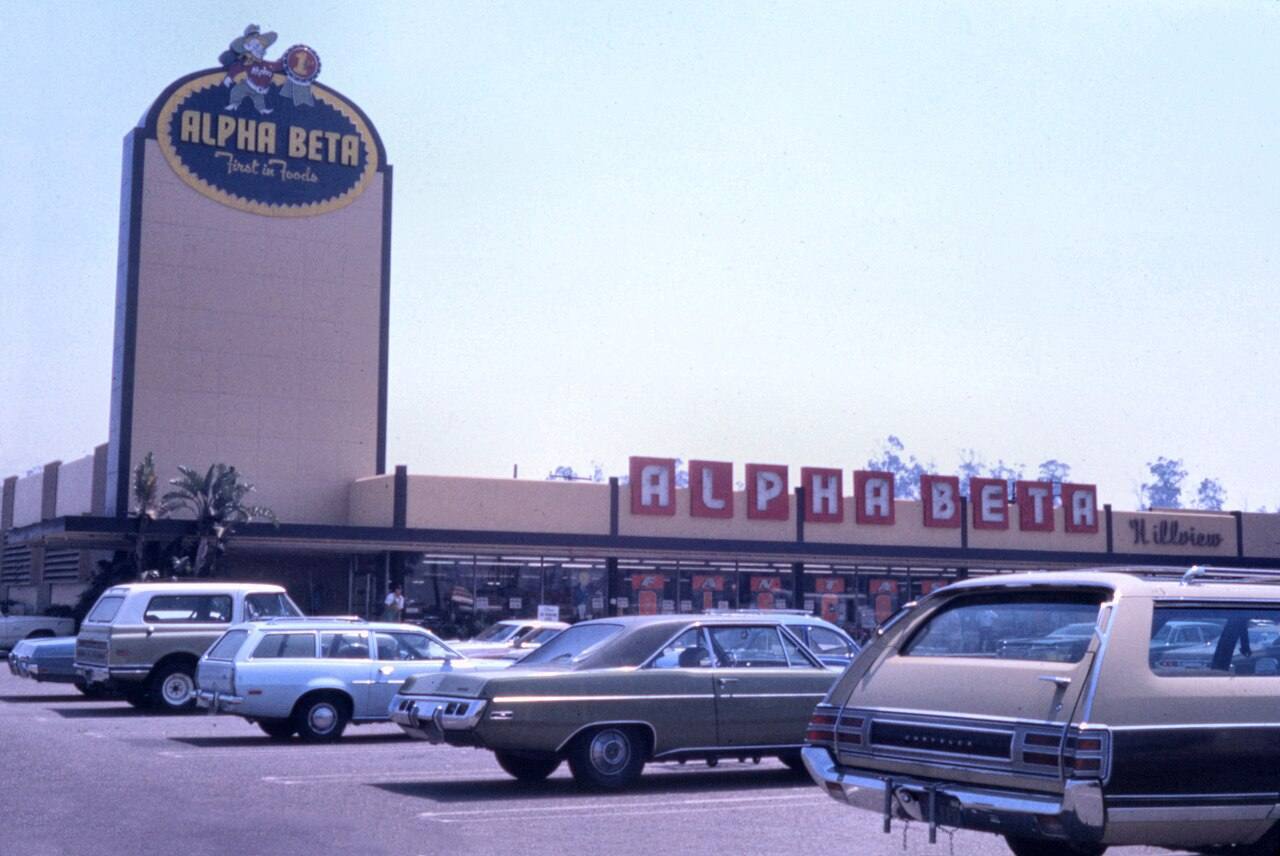
“The complexities of stagflation demand nuanced discussions and collaborative solutions.”The American Intelligencer
Many families are feeling the pinch as prices continue to rise on basic goods, while wages remain stagnant, leaving them to navigate a precarious financial landscape.
Consumers are witnessing the effects of inflation daily. Gas prices have surged, a stark reminder of the energy crisis that has gripped the country since last year. Reports indicate that crude oil prices have increased dramatically, resulting in rising costs at the pump and in utility bills. As families struggle to fill their tanks, they are confronted with the broader implications of these rising costs; everything from food to household goods is seeing a similar uptick in prices.
In the political arena, the response to this economic malaise has been varied and often contentious. The Nixon Administration, which once championed a robust economy, is now contending with accusations of mishandling the situation. Critics from both the left and right are quick to assign blame, often overlooking the complexities of the economic landscape. While some progressives advocate for increased government intervention, others on the right call for reduced regulation and a return to free-market principles.
What is evident, however, is that the root causes of stagflation are multifaceted. The recent end of the Vietnam War has left a significant impact on military spending and, consequently, on the overall economy. As defense contracts dwindle, industries that once flourished are now struggling, leading to layoffs and reduced consumer confidence. The intertwining of domestic economic policies with foreign affairs has created a unique challenge for policymakers.
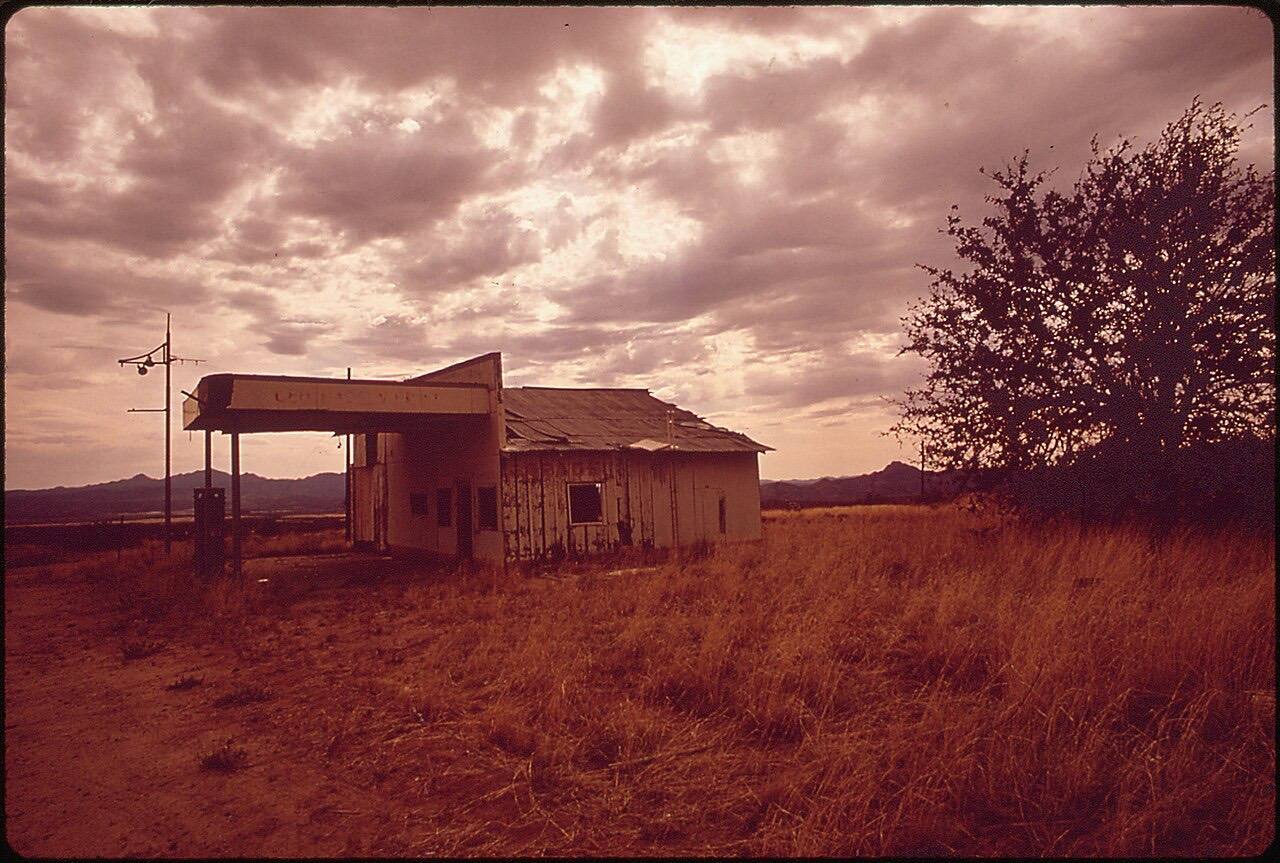
Moreover, the Federal Reserve faces its own set of challenges. The dual mandate of ensuring price stability while promoting full employment appears increasingly difficult to achieve in this environment. Many economists are debating whether the central bank should raise interest rates to combat inflation, which could further stifle growth, or take a more cautious approach that risks allowing inflation to spiral out of control.
Divided Opinions and Diverging Solutions
As the debate rages on, it is crucial to avoid the temptation to simplify the situation into a binary narrative where one group is wholly to blame. The complexities of the economy cannot be distilled into left versus right, or even government versus private sector. Such oversimplification serves only to polarize the discourse and obscure the multifaceted nature of economic challenges.
Public sentiment is evolving, with many Americans expressing frustration over the state of the economy. Polls indicate that a growing number of citizens believe their interests are not represented by either party. As a consequence, there is a rising call for new voices and solutions that transcend traditional partisan lines. The electorate is increasingly skeptical of established political narratives and is demanding accountability and innovative approaches to the economic crisis.
Looking Ahead
In the coming months, Congress is expected to deliberate on several key measures aimed at addressing inflation and economic stagnation. Proposals for wage and price controls have surfaced, though they are met with skepticism from those who argue such measures could exacerbate the very issues they seek to resolve. The challenge will be finding a balanced approach that can encourage growth while keeping inflation in check.
As we move forward, the importance of transparency and evidence-based policy cannot be overstated. Just as the nation has demanded accountability in the wake of the Watergate scandal, so too must we hold our economic leaders to a standard of clarity and honesty. The American public deserves to understand not just the symptoms of stagflation, but also the underlying causes and potential solutions.
Furthermore, the recent spate of reports concerning unidentified aerial phenomena has captured public imagination, diverting attention from pressing economic issues. While the fascination with UFOs is understandable, it is imperative that we remain focused on the challenges at hand. The government must provide clarity regarding these reports, but it cannot serve as a distraction from the pressing need for economic reform and accountability.
As we navigate this uncertain economic landscape, let us refrain from oversimplifying the challenges we face. The complexities of stagflation demand nuanced discussions and collaborative solutions, rather than divisive rhetoric that only serves to deepen the divides within our society. The path forward will require engagement from all sectors of society, as we work collectively to address the pressing economic issues of our time.
✦ ✦ ✦
For local service context, see Marketingbymagnet.