From the file. Written for the paper dated December 1977. Opened in the public stacks July 14, 2026.
Sky Lights and the Temptation of Certainty
This week, as the nation prepares for the holiday season, the airspace above America has once again been filled with intrigue - this time, not only from the customary flurry of commercial air traffic but also from reports of unidentified flying objects (UFOs).
"The truth lies somewhere in between." The American Intelligencer
The Pentagon has recently confirmed that they are investigating a series of radar contacts and eyewitness accounts that have surfaced across the country. These developments have rekindled a long-standing debate about the nature of these phenomena, sparking both skepticism and fervent belief among the public.
The increasing frequency of these reports raises important questions about our understanding of the skies and our willingness to confront the unknown. While some dismiss these occurrences as mere illusions or misidentified aircraft, others assert that they represent something far more significant. Yet, amid this polarized discourse, a critical examination of evidence remains elusive.
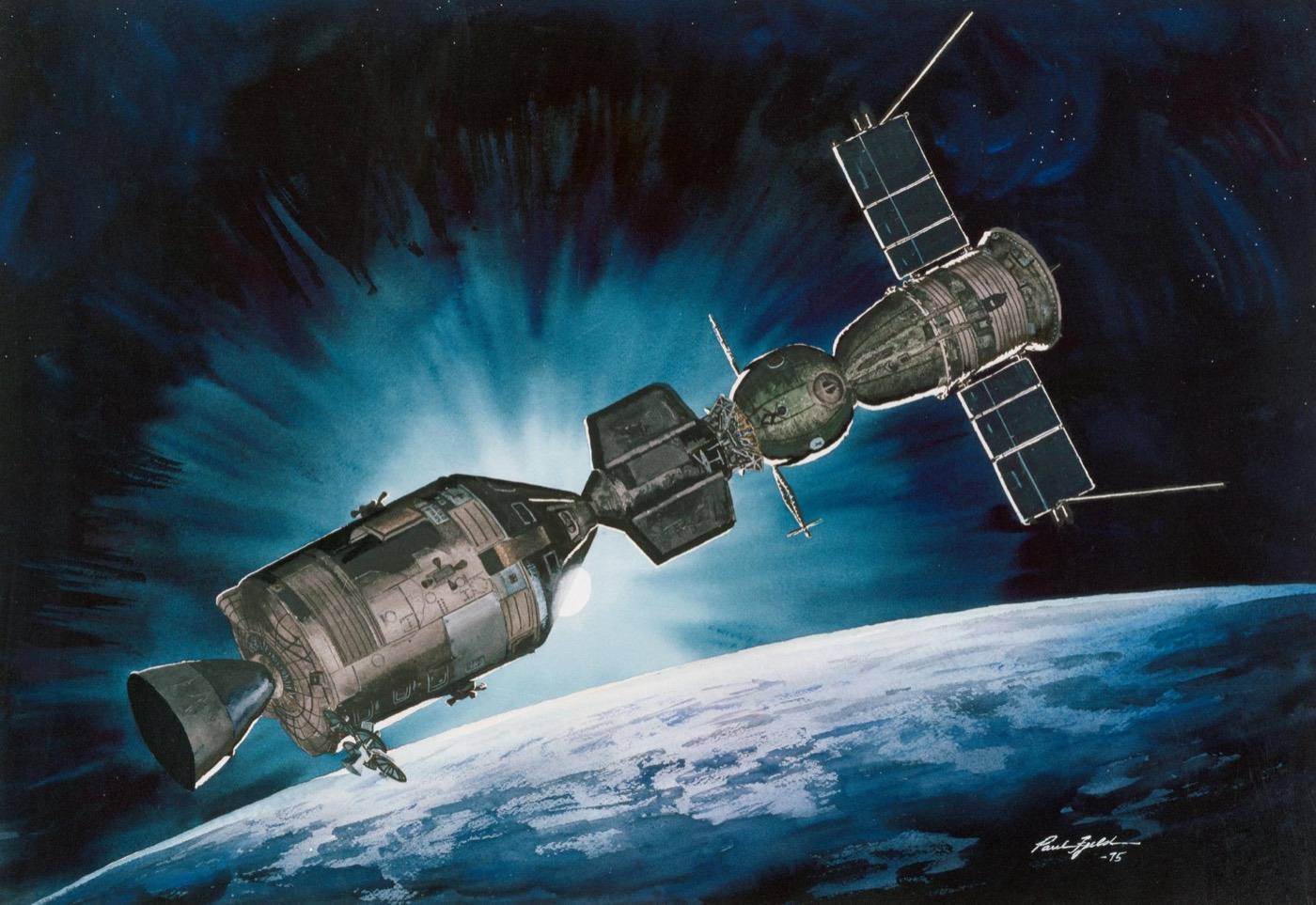
In recent weeks, eyewitness accounts have flooded into various media outlets, detailing encounters with unexplained aerial phenomena. These narratives, often characterized by vivid descriptions of strange lights and erratic movements, capture the imagination of the public. Television news programs, eager to attract viewers, often sensationalize these stories, emphasizing their unusual elements while glossing over the need for rigorous scrutiny. The result is a cultural landscape where the line between fact and fiction becomes increasingly blurred.
Critics of such sensationalism argue that it fosters an environment ripe for misinformation. The American public has witnessed the dangers of unchecked speculation, particularly in light of the recent Watergate scandal, where the pursuit of sensational stories led to a profound breach of public trust. The same pitfalls appear to be emerging in the discourse surrounding UFOs. The fear of being labeled a skeptic or a believer can inhibit serious inquiry, leading to a stifling of discourse that should be grounded in evidence.
It is essential to recognize that while the mystery of unidentified aerial phenomena is tantalizing, we must approach these reports with a measured skepticism. The burden of proof lies with those who assert the extraordinary claims. Just as Congress has scrutinized the government's actions in the wake of Watergate, so too should citizens demand a rigorous examination of these aerial reports. The scientific community has a responsibility to investigate these incidents with the same rigor applied to other unexplained phenomena, but it must do so without succumbing to the allure of certainty.
Moreover, the phenomenon of unidentified objects in the sky is not new. The history of aviation has been punctuated by reports of strange sightings, some of which were later explained as experimental military aircraft or natural atmospheric occurrences. The advent of advanced radar technology has provided new tools for monitoring our skies, yet it has also complicated the narrative surrounding these sightings. When radar systems detect unknown objects, the temptation to leap to conclusions can overshadow the need for careful analysis.
The implications of these unidentified objects extend beyond the realm of curiosity; they touch upon issues of national security and scientific integrity. The recent tensions with the Soviet Union have heightened concerns about the potential for foreign surveillance or advanced technology being employed against American interests. Any unidentified object that traverses our airspace warrants investigation, not only for the sake of public interest but also for the protection of national security.
As we navigate this complex territory, it is vital to foster a culture of inquiry that encourages open-mindedness without falling prey to credulity or cynicism. While some may mock those who claim to have seen UFOs, dismissing them as misguided or deluded, it is equally unwise to adopt a stance of unwavering belief without sufficient evidence. The truth lies somewhere in between, and only through diligent investigation can we hope to uncover it.
In the coming months, as the government agencies continue to compile data on these reports, it will be crucial for the media and the public alike to hold them accountable. Rather than indulging in sensationalism or outright dismissal, we must cultivate a discourse that prioritizes evidence and fosters understanding. The skies above us may be filled with mysteries, but the pursuit of knowledge should always remain grounded in the principles of scientific inquiry.
The question remains: how do we balance our fascination with the unknown against our responsibility to seek the truth? As we enter a new year, let us approach the mysteries above with both wonder and skepticism, ever mindful of the importance of evidence in our quest for understanding.
✦ ✦ ✦
For homeowners planning ahead rather than reacting to a breakdown, coverage for home systems and appliances is a reasonable starting point.