From the file. Written for the paper dated December 2019. Opened in the public stacks July 14, 2026.
In an age where information flows freely and expert opinions are often lauded, there remains an unsettling tendency for these authorities to overreach their claims. This phenomenon is not merely a byproduct of individual hubris but is often amplified by the very institutions that house these experts.

The Institutional Shield
Within academia, government, and various industries, experts often find themselves in a position of power and influence. However, this power can lead to a troubling tendency to overstate their findings or predictions. Institutions, keen to protect their reputations and bolster their credibility, can inadvertently encourage such overclaims through their structures and incentives.
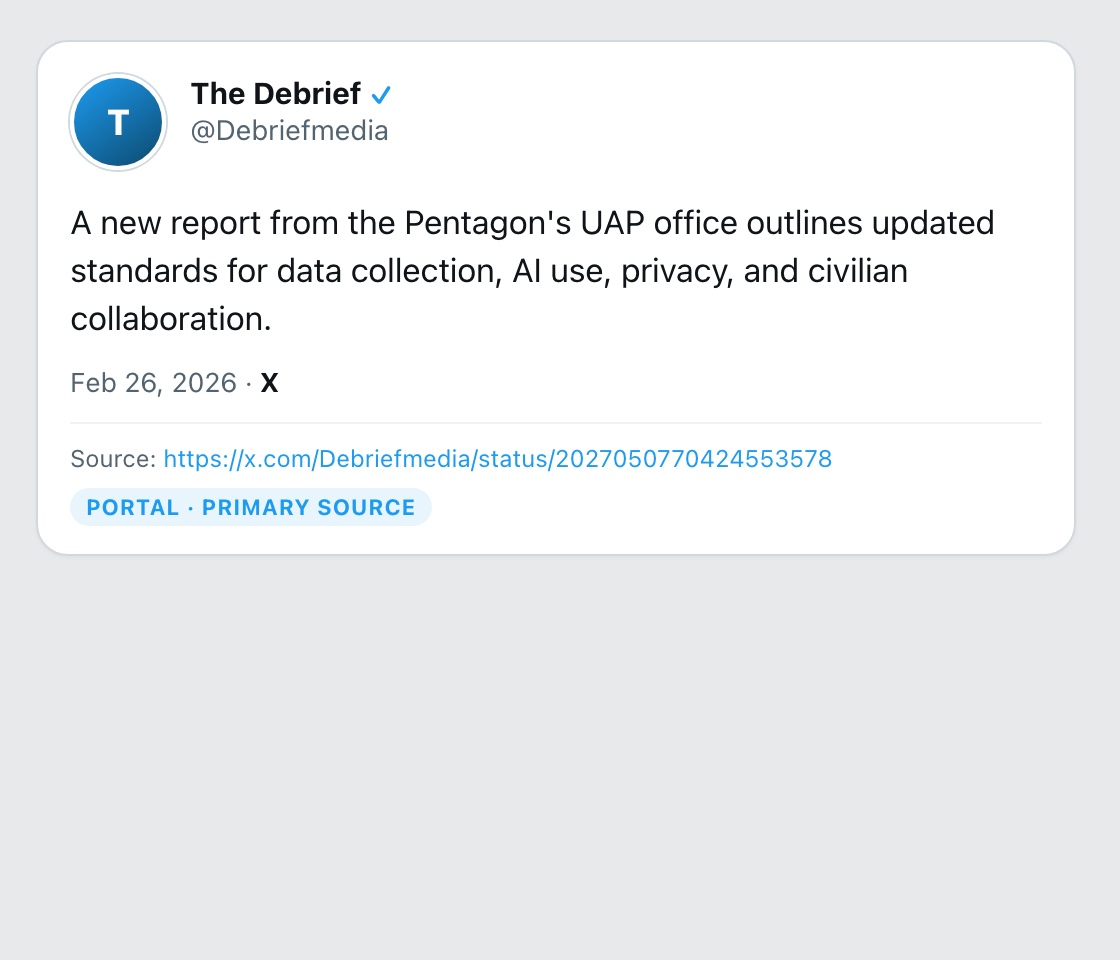
For instance, take the realm of climate science. Numerous experts have been vocal about the dire consequences of climate change, with many pointing to studies that predict catastrophic outcomes if immediate action is not taken. While the urgency is warranted, some claims can verge on alarmism. This is where institutions, driven by the need to maintain funding and public support, may amplify these predictions without sufficient scrutiny. The result is a narrative that may not always align with the nuanced realities of scientific data.

“The louder the warning, the more attention it garners, even if it oversimplifies complex issues.”
Echo Chambers of Validation
On the other hand, consider the political arena, where experts are often enlisted to support partisan agendas. Here again, institutions play a crucial role. Think tanks, lobbying groups, and even governmental bodies can create echo chambers that validate only certain perspectives while dismissing dissenting voices. This not only skews public perception but also leads to a proliferation of exaggerated claims that serve the interests of a select few.
For example, economic forecasts can be wielded as weapons in political debates. An economist may forecast a recession, and if that forecast aligns with a political narrative, it is amplified to support that narrative. Conversely, if a more optimistic outlook emerges, it is often downplayed or ignored. In this context, the institution’s vested interest in the outcome can cloud the impartiality one might expect from experts.
The Consequences of Overclaiming
The ramifications of these overclaims can be staggering. In the public sphere, when experts err on the side of alarmism, they risk breeding cynicism and apathy among the populace. Individuals may become desensitized to warnings about climate change or public health crises when the predicted disasters fail to materialize within the stated timelines. This cycle of overstated claims followed by public disillusionment can erode trust in genuine expertise
Moreover, in the scientific community, repeated overclaims can stifle innovation. Researchers may become overly cautious, fearing backlash if their findings do not align with the prevailing narrative. This self-censorship can hinder the advancement of knowledge, as genuine discoveries are lost amid the noise of overblown assertions.
Finding a Balance
So, how do we navigate this complex landscape? Institutions must foster an environment where dissenting opinions are welcomed and where experts are held accountable for their claims. This entails encouraging a culture of rigorous debate and critical thinking, rather than one that prioritizes consensus and conformity.
Furthermore, transparency is key. Experts should be encouraged to communicate the uncertainties inherent in their work, rather than presenting their findings as absolute truths. This shift in communication can help bridge the gap between expert opinion and public understanding, allowing for a more informed discourse.
Finally, the media plays a critical role in this dynamic. Journalists must strive to provide context and nuance rather than sensationalizing expert claims. By doing so, they can help the public navigate the complexities of expert opinion, making it clear when claims are grounded in solid evidence and when they may be overreaching.
✦ ✦ ✦