From the file. Written for the paper dated December 2019. Opened in the public stacks July 14, 2026.
The recent open house at the local public lab offered an intriguing glimpse into the intersection of science and public policy, revealing how institutions often prioritize their image over genuine community engagement.
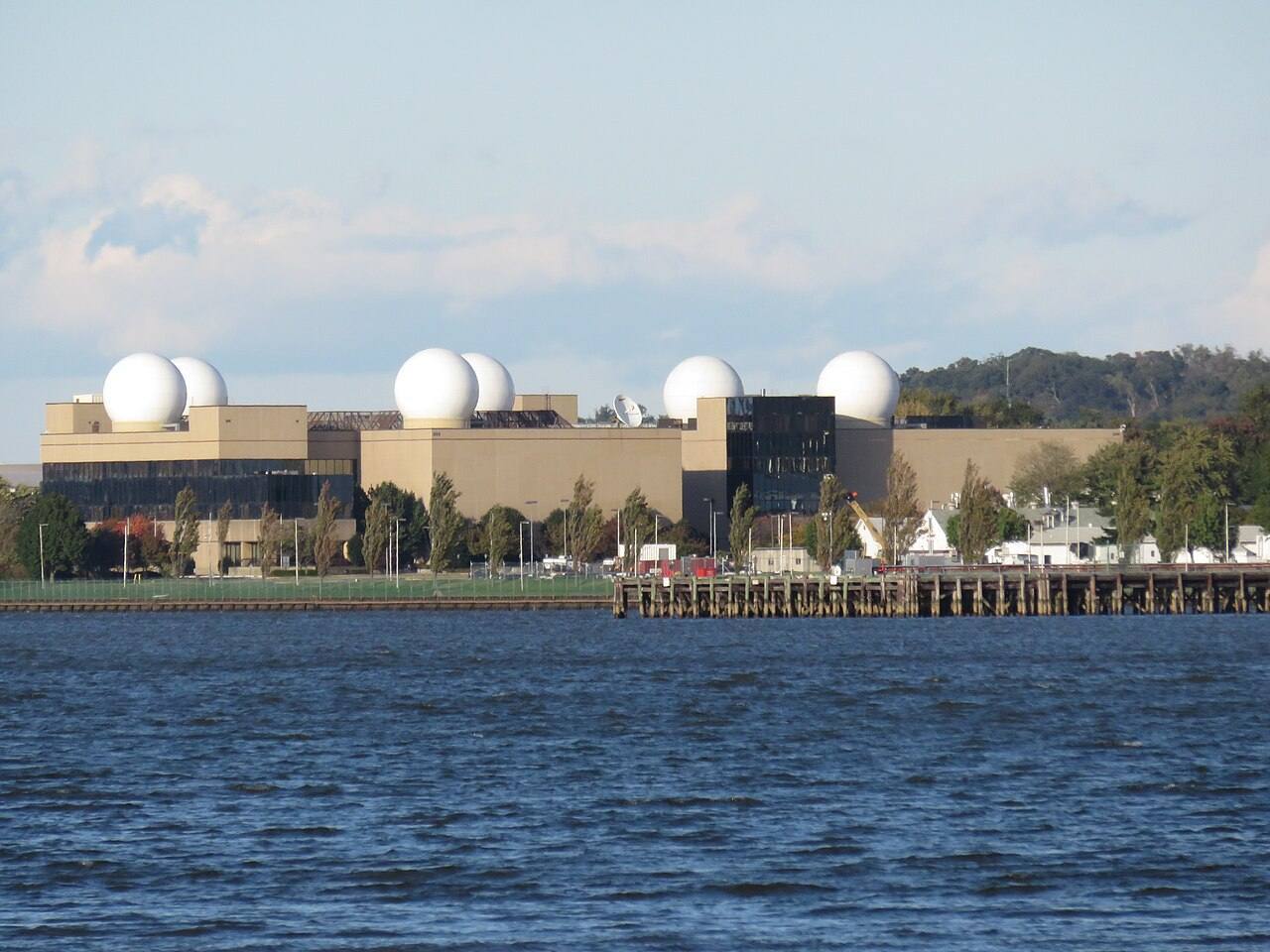
The Public Lab Experience
On a chilly December afternoon, residents filed into the brightly lit halls of the public lab, eager to explore the various scientific projects and initiatives on display. Students, families, and curious minds gathered around booths showcasing everything from water quality testing to urban air pollution studies. However, beneath the surface of this well-orchestrated event lay a complex narrative about how institutions protect their interests.
"The open house felt more like a marketing campaign than a genuine outreach effort."
While the lab showcased its accomplishments with pride, it also highlighted a growing trend among public institutions: an emphasis on protecting their reputations. The open house was carefully curated, with staff members on hand to steer conversations and ensure that the narrative remained positive. Visitors were encouraged to ask questions, but those inquiries often led to rehearsed responses that felt more like public relations statements than genuine interactions. This raises an important question: How much of this engagement is authentic, and how much is merely a façade?

Institutional Image vs. Community Needs
One of the central themes that emerged during the open house was the tension between institutional image and community needs. While public labs are funded by taxpayer dollars and are ostensibly tasked with serving the public good, their actions often suggest a different priority: maintaining a polished exterior. Programs that could address pressing local issues sometimes take a backseat to initiatives that bolster the lab's image.
For instance, the lab's display on community health initiatives showcased a few successful projects, yet attendees noted the absence of critical conversations regarding funding cuts and the real struggles faced by marginalized communities. The lab had taken great care to present a positive narrative, but it left many questioning whether those narratives truly aligned with the on-the-ground realities.
The Role of Transparency
Transparency - or the lack thereof - was another important topic that surfaced during the open house. Attendees expressed frustration at the limited access to data and research produced by the lab. While the lab promotes itself as a public resource, the actual dissemination of information often feels selective and controlled.
In an era where information is both a privilege and a right, the reluctance of institutions to share data with the very public they serve is concerning. Residents want to understand not only what is being done in their communities but also how decisions are made and resources allocated. A more open and transparent approach could foster trust and collaboration, rather than the current climate of skepticism.
Excesses on Both Sides
The discourse surrounding the open house also illustrated the broader cultural divides that exist in contemporary society. On one side, the lab's focus on image and control is a reflection of a larger trend where institutions prioritize optics over authenticity. On the other, some community members expressed frustration with the lab’s approach, often resorting to hyperbole and conspiracy theories that undermine constructive dialogue.
"We need to move beyond sensationalism and engage in real conversations."
This polarization stifles meaningful engagement and creates an environment where both sides dig in their heels, unwilling to compromise or listen. The lab's approach of curating its image invites skepticism, while the community's reaction can sometimes veer into extremes, further complicating the potential for collaboration.
Moving Toward Genuine Engagement
As public institutions like the lab continue to grapple with their roles in the community, it is essential to consider how they can move toward genuine engagement. Creating spaces for open dialogue, prioritizing transparency, and acknowledging the complexities of community needs are all vital steps in this process.
Ultimately, the recent open house served as a microcosm of the larger struggle between institutional interests and community needs. As residents seek to hold their public institutions accountable, it is imperative for those institutions to foster an environment where real conversations can take place, ensuring that the public lab is not just a place for scientific exploration but also a hub for community engagement.
✦ ✦ ✦