From the file. Written for the paper dated December 2019. Opened in the public stacks July 14, 2026.
As the year draws to a close, a comprehensive analysis of housing starts reveals not only the state of the real estate market but also the protective measures institutions are taking to shield themselves from potential downturns.
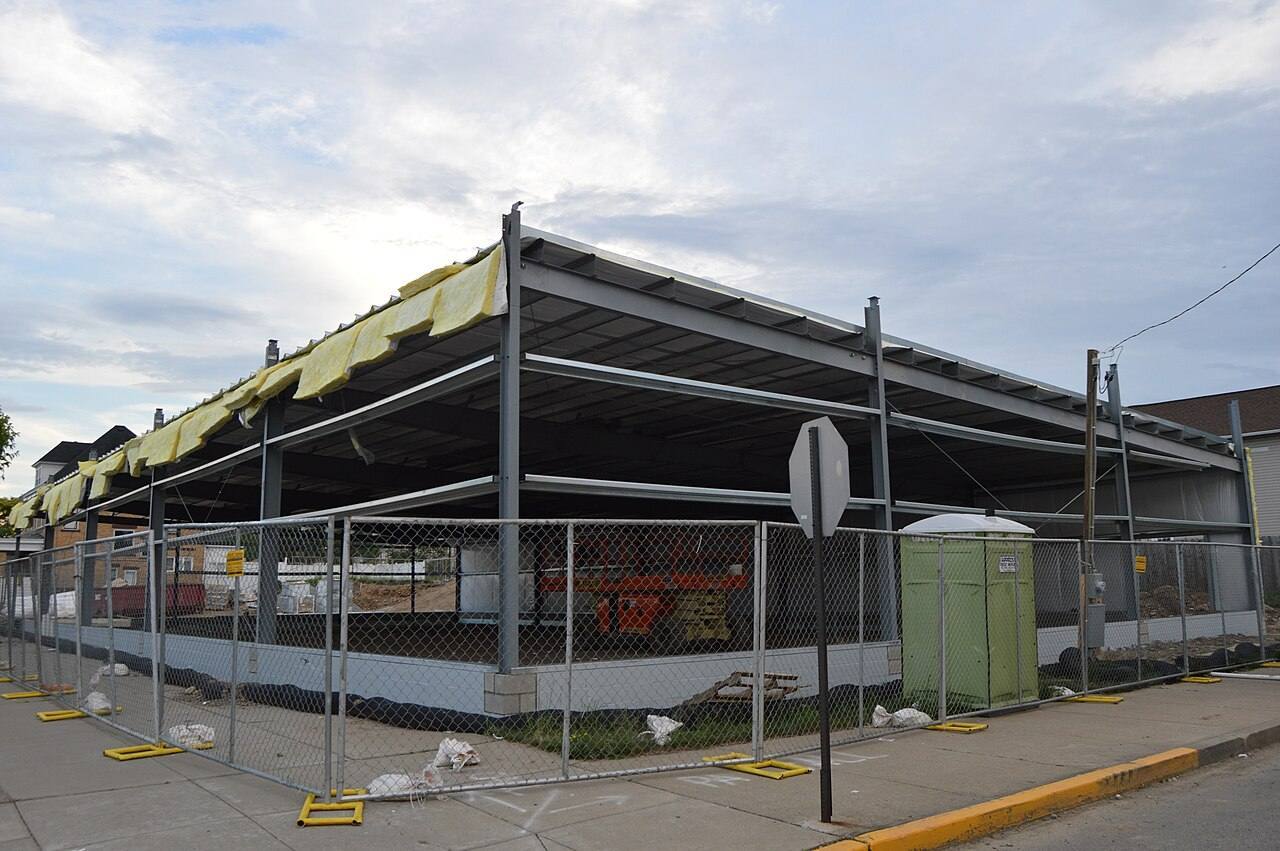
The State of Housing Starts
As of December 2019, the U.S. housing market is witnessing a modest uptick in housing starts, signaling a hopeful trend for builders and buyers alike. According to the latest data from the U.S. Census Bureau, housing starts rose by 3.2 percent in November, marking a robust conclusion to the year. However, this increase hasn't come without its complexities, particularly as institutions remain wary of the volatility that has characterized the market in recent years.
Institutional Caution
It is essential to understand how institutions are responding to the fluctuating housing market. While the data suggests a positive trajectory, the reality is that many financial institutions have adopted a cautious stance. Lenders are tightening their underwriting standards, making it more challenging for potential homeowners to secure loans. This shift reflects a broader trend where institutions are prioritizing risk mitigation in an unpredictable economic landscape.

"In a market that has seen both highs and lows, it's no surprise that institutions are taking a step back to reassess their strategies."
The Role of Policy
Policy decisions at the federal level also play a crucial role in shaping housing starts. The Federal Reserve has maintained low interest rates, which have been instrumental in fostering a conducive environment for new construction. However, the potential for rate hikes looms in the near future, raising concerns among builders and buyers alike. This uncertainty has prompted institutions to reevaluate their exposure to the housing sector, with some opting to hold back on financing new projects until the economic landscape stabilizes.
Market Dynamics
Moreover, the dynamics of supply and demand continue to influence housing starts. While new home construction is on the rise, a significant shortage of affordable housing persists. This gap creates an environment where institutional investors are increasingly focused on multi-family units and rental properties rather than single-family homes. By pivoting towards more lucrative rental markets, institutions are not only safeguarding their investments but also contributing to the growing trend of renters over owners.
A Double-Edged Sword
This strategy, however, is not without its critics. Detractors argue that the focus on rental units exacerbates the housing crisis for first-time buyers and low-income families. As institutions prioritize their financial security, they may inadvertently widen the gap between those who can afford to buy homes and those who cannot. This raises ethical questions about the responsibilities of institutions in a market that impacts the fundamental needs of individuals and families.
Balancing Act
As we move forward into 2020, the balancing act between institutional caution and market demand will undoubtedly shape the future of housing starts. Institutions must navigate the fine line between protecting their interests and addressing the pressing need for affordable housing. This ongoing tension is reflective of broader societal debates about wealth distribution and economic equity.
On the political front, both parties are grappling with these issues, albeit from different perspectives. The left emphasizes the need for increased regulation and support for affordable housing initiatives, while the right advocates for free market solutions that prioritize economic growth. Yet, as each side digs in its heels, the critical need for cooperation and compromise remains unaddressed.
Conclusion
In summary, the current state of housing starts is indicative of a market in flux, influenced by institutional caution and shifting policy dynamics. As we enter a new year, the challenge lies in finding a unified approach that promotes growth while also addressing the needs of those who are most vulnerable in the housing market. The conversation surrounding housing starts is more than just data; it reflects the broader values and priorities of our society.
✦ ✦ ✦