From the file. Written for the paper dated December 2019. Opened in the public stacks July 14, 2026.
In an age where journalism often feels like a battleground, the rise of "team journalism" poses significant concerns about objectivity, accountability, and the integrity of the fourth estate.

Understanding Team Journalism
Team journalism, while rooted in collaboration and collective reporting, has morphed into a phenomenon that can shield institutions from scrutiny while amplifying partisan narratives. This approach often prioritizes consensus over critical analysis, leading to a dilution of journalistic standards. When reporters band together, the risk is that dissenting voices are sidelined, and the pursuit of truth is compromised in favor of a unified front.
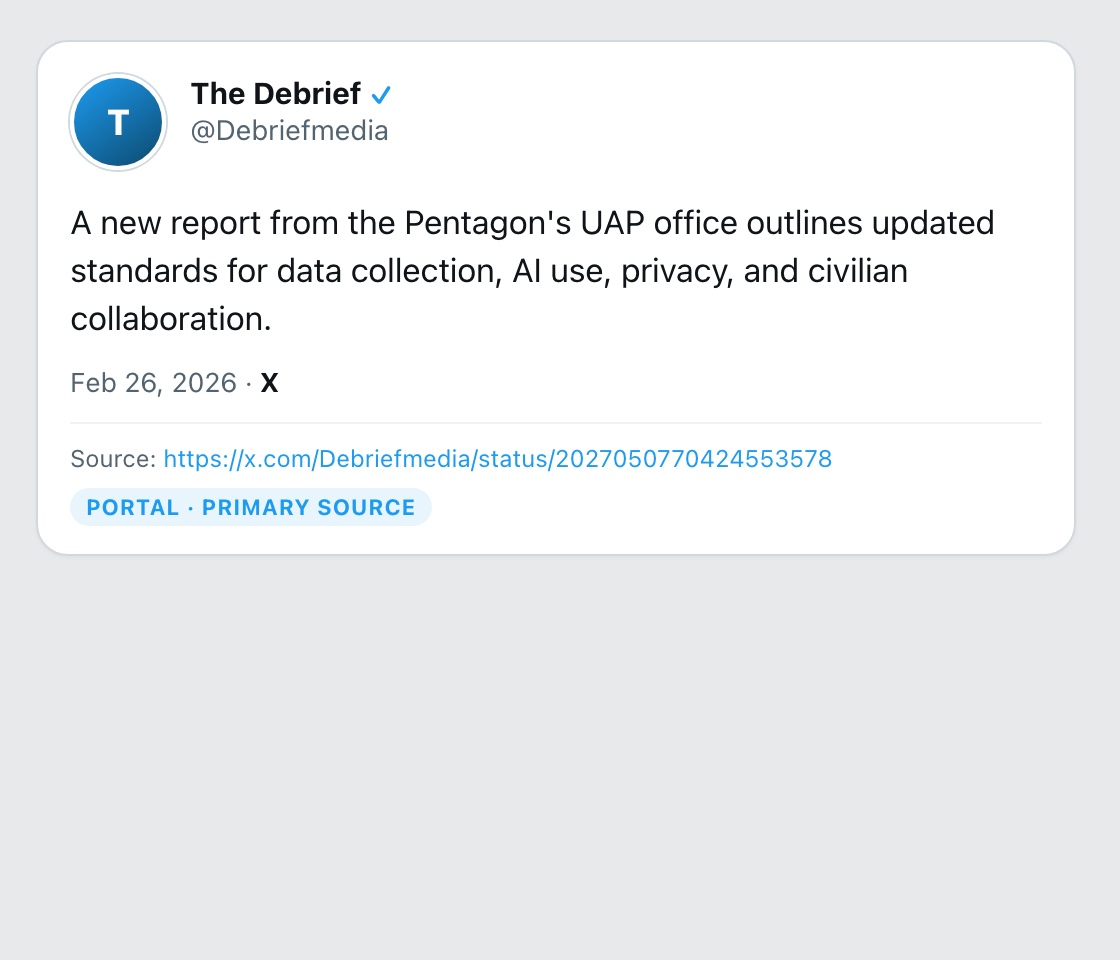
The Institutional Shield
At its best, team journalism can enhance reporting by pooling resources and expertise to tackle complex issues. However, the danger lies in its potential to create echo chambers within newsrooms. When journalists form teams, they often lean toward a shared ideological perspective, inadvertently muting diverse viewpoints. This can result in a product that is less about truth and more about institutional image, leaving audiences with a skewed understanding of events.

"The danger lies in team journalism's potential to create echo chambers within newsrooms."
Accountability Issues
Accountability is another significant concern. In traditional journalism, individual reporters are often held responsible for their work. However, team journalism can obfuscate accountability, as the collective nature of reporting allows individuals to hide behind the team's decisions. This phenomenon can undermine the very essence of journalistic integrity, as it becomes difficult to pinpoint who is responsible for errors or biased reporting.
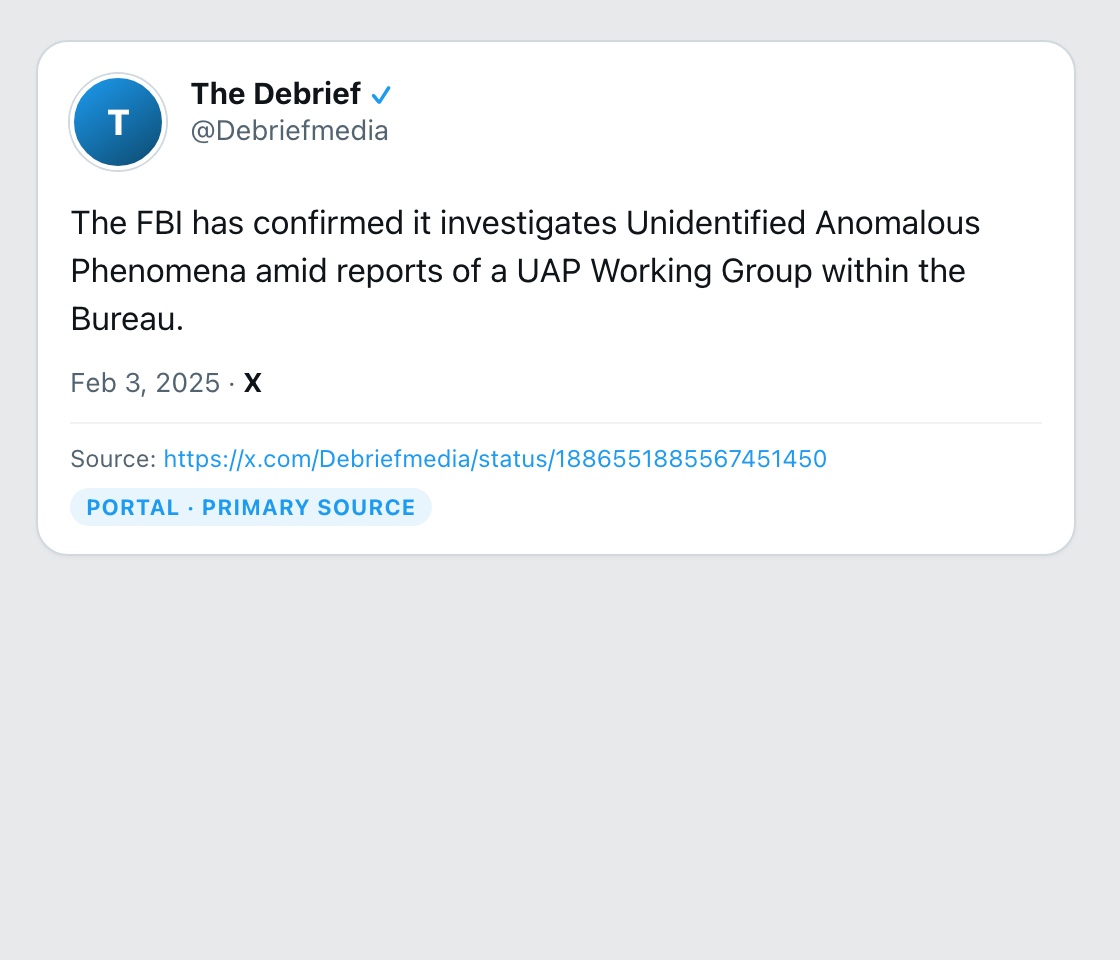
Partisan Narratives and Bias
Both sides of the political spectrum have exploited team journalism for their own ends. On one hand, left-leaning outlets may use collaborative reporting to promote progressive narratives, framing stories that resonate with their audience while disregarding opposing viewpoints. On the other hand, right-leaning media may adopt a similar strategy, pushing conservative agendas and ignoring facts that don't fit their narrative. This partisanship compromises the objectivity that journalism strives to uphold.
Consequences for Public Trust
The erosion of trust in media is a pressing issue, and team journalism contributes to this crisis. As audiences become increasingly aware of the biases within media outlets, they may disengage from news altogether or seek alternative sources that align with their beliefs. This further polarizes the public, creating a vicious cycle where individuals retreat into their ideological corners, reinforcing the very divisions that team journalism often embodies.

Moreover, this decline in trust can have real-world consequences. When journalism fails to maintain objectivity, it jeopardizes the role of the media as a watchdog, critical in holding power to account. If the public perceives the media as merely an extension of partisan agendas, they will be less likely to rely on it for accurate information, ultimately undermining democracy itself.
A Call for Reflection
In light of these issues, it is essential for journalists and media organizations to reflect on their practices. Moving forward, a renewed commitment to individual accountability and a dedication to diverse perspectives within reporting teams is necessary. Journalists must strive to prioritize truth over institutional loyalty, recognizing that the credibility of their work hinges on their ability to present a balanced view of the world.
Conclusion
Ultimately, while team journalism has its merits, it is crucial to remain vigilant against its excesses. The challenge lies in balancing collaboration with a steadfast commitment to truth and accountability. By addressing these issues head-on, the media can begin to rebuild trust and reaffirm its essential role in democracy.
✦ ✦ ✦