From the file. Written for the paper dated November 2019. Opened in the public stacks July 14, 2026.
As the nation grapples with deepening divisions, a recent public trust survey reveals troubling insights about the American public's confidence in its institutions, highlighting incentives on both sides of the political aisle that exacerbate this crisis.
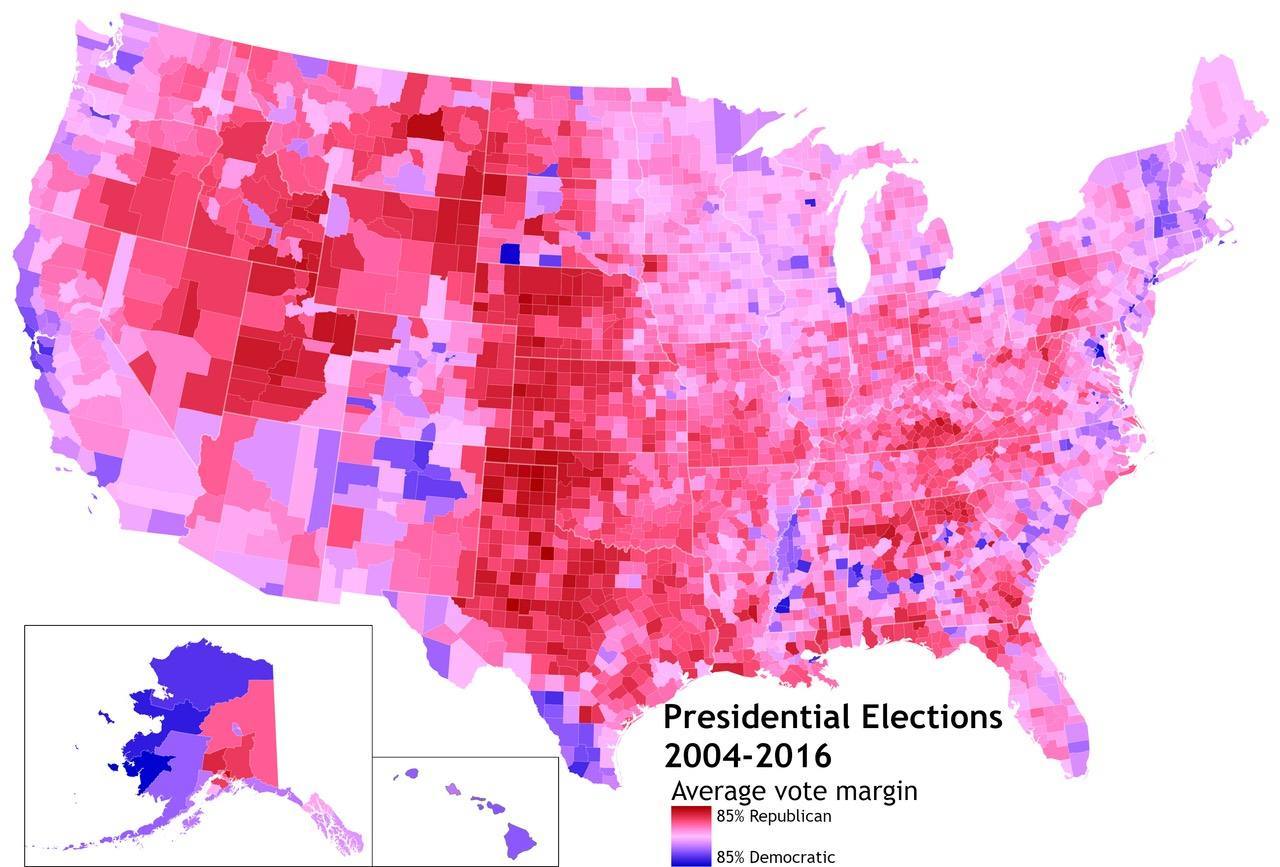
Trust in Decline
According to the latest survey, public trust in government, media, and various institutions continues to plummet. From Congress to the presidency, skepticism reigns supreme. This drop in trust can be attributed to a confluence of factors, not least the partisan rhetoric that has dominated the political landscape leading up to the 2020 election. As citizens become increasingly disillusioned, a question arises: Are political leaders doing enough to restore faith in these institutions?
On the left, the narrative often centers around systemic injustices and the need for radical reform. While these discussions are essential, they sometimes veer into the realm of hyperbole, painting all institutions as irredeemably corrupt. This black-and-white thinking can alienate moderate voters who might otherwise be open to reform but feel overwhelmed by the constant barrage of negativity.
Partisan Incentives
At the heart of the matter are the incentives driving both parties. For the left, fostering a narrative of distrust can energize the base, mobilizing voters to push for change. However, this strategy risks alienating those who are tired of the perpetual outrage and who yearn for constructive dialogue. Instead of fostering unity, the left's approach sometimes exacerbates division, leaving many feeling hopeless about the prospects for improvement.
On the right, a different set of incentives is at play. Some leaders capitalize on public distrust by promoting conspiracy theories and attacking the credibility of institutions, including the media and the judiciary. This strategy may galvanize their supporters, but it further entrenches the divide, making it challenging to find common ground. The rhetoric of distrust becomes a self-fulfilling prophecy, as citizens retreat into echo chambers that reinforce their beliefs rather than challenge them.
"When both sides capitalize on distrust, they do a disservice to the very democracy they claim to protect."
A Call for Accountability
As public trust dwindles, it is imperative for both sides to recognize their role in this phenomenon. Accountability must be at the forefront of their agendas. For the left, this means acknowledging that while systemic reform is necessary, it should not come at the cost of constructive engagement with those who hold differing views. For the right, it means resisting the temptation to delegitimize institutions for political gain. Both parties need to commit to fostering a more respectful and truthful discourse that promotes understanding rather than division.
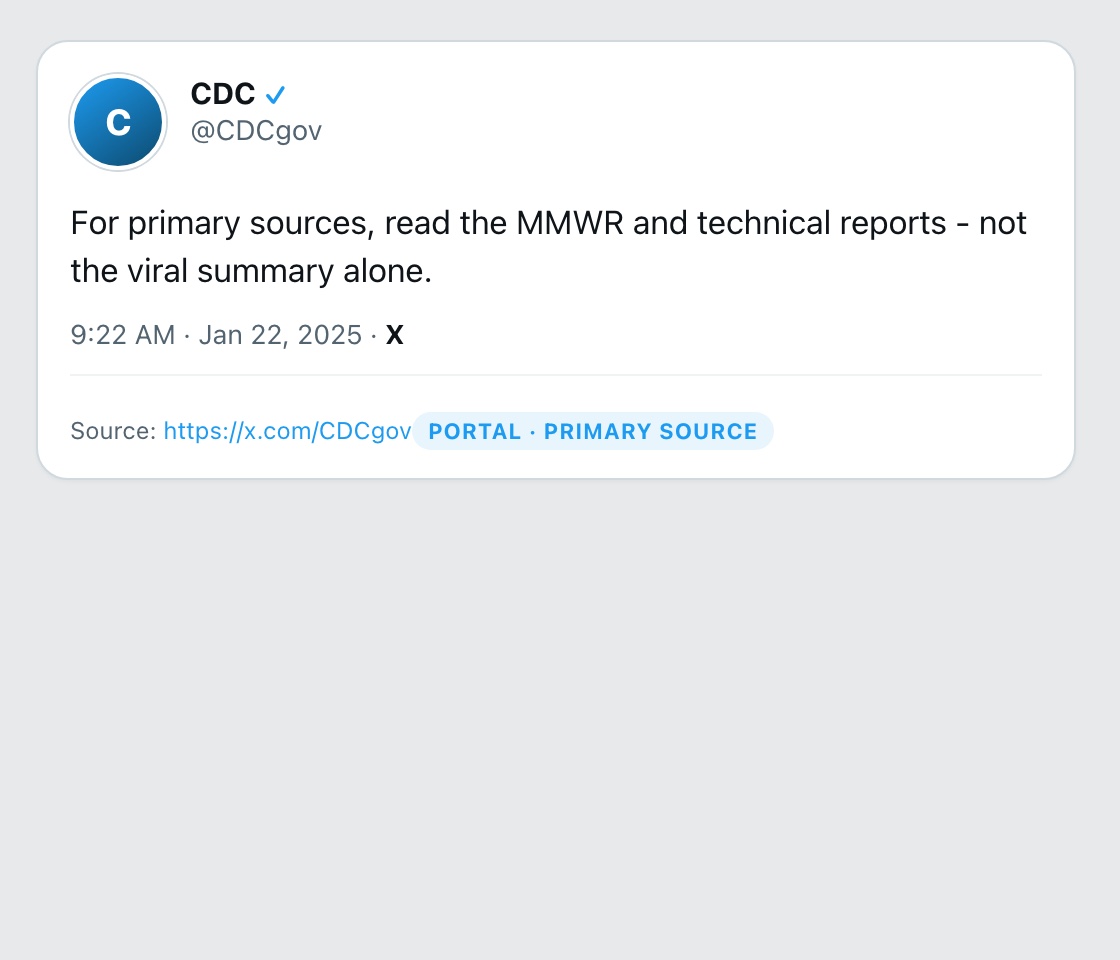
Recent events have shown that when trust in institutions erodes, the consequences can be dire. From the rise of populism to the polarization of public opinion, the fabric of democracy is at risk. Leaders must prioritize rebuilding trust, recognizing that it is not merely a political strategy but a fundamental necessity for a functioning society.
Moving Forward
To address the crisis of public trust, both parties must shift their strategies. This requires a willingness to engage in honest conversations, to listen to constituents, and to work collaboratively. The left must temper its rhetoric and focus on pragmatic solutions that resonate with a broader audience. The right must strive to uphold the integrity of institutions, understanding that a healthy democracy relies on a foundation of trust.
As we approach the election season, the stakes are higher than ever. The public is looking for leadership that prioritizes unity over division, accountability over rhetoric, and truth over manipulation. If both sides continue to leverage distrust as a political tool, they risk further alienating the very constituents they seek to serve. It is time for a new approach - one that recognizes the importance of trust as the cornerstone of democratic governance.
As the public navigates this tumultuous landscape, it is essential for all parties to remember that the health of democracy hinges not only on the competition for votes but also on the integrity of the institutions that uphold it. In a time of unprecedented division, the call for accountability and trust-building is not just a political necessity but a moral imperative.
✦ ✦ ✦