From the file. Written for the paper dated November 2019. Opened in the public stacks July 14, 2026.
As the debate over energy sources continues to heat up, the scrutiny on nuclear power plants has intensified. Both sides of the aisle have leveraged their positions to push for inspection protocols that reflect their ideological leanings, leaving safety to be a secondary concern in some cases.
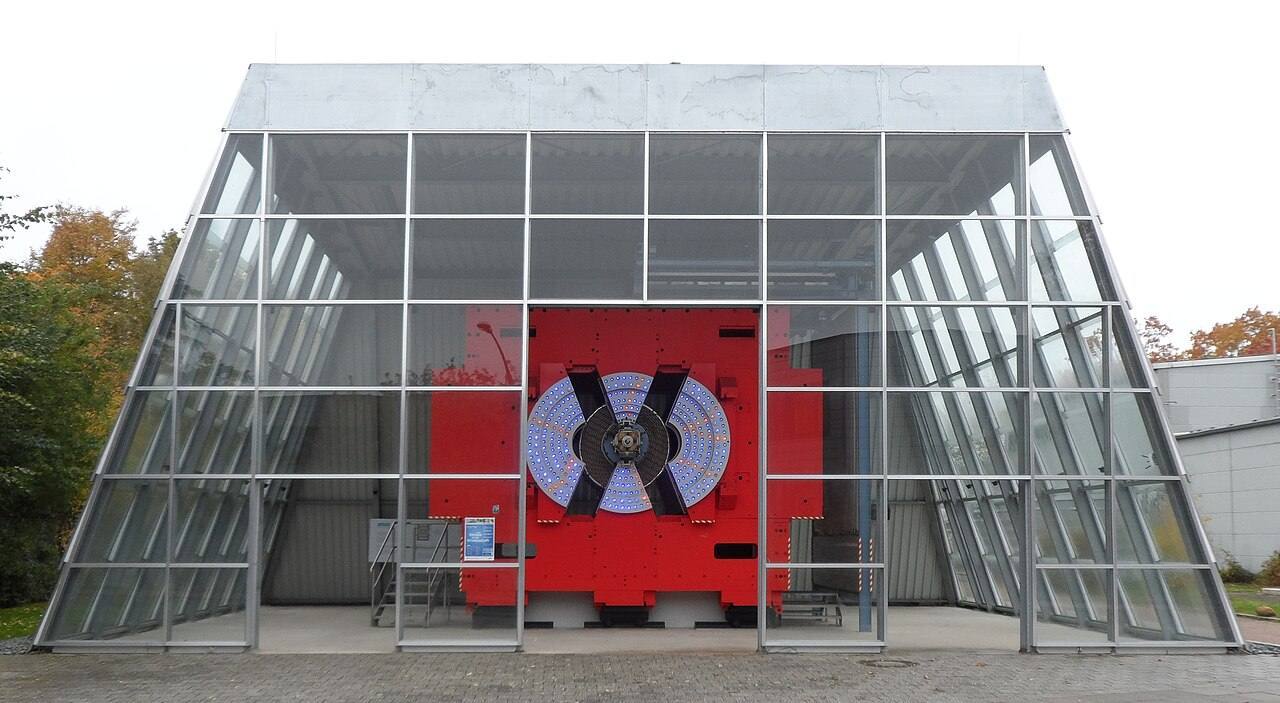
The Regulatory Landscape
The regulatory framework governing nuclear plant inspections is often seen as a battleground between the left's environmental concerns and the right's push for energy independence. On one side, advocates for stringent regulations argue that the potential for catastrophic events necessitates rigorous oversight. They point to the long-term implications of nuclear waste and the environmental consequences of any failure. On the other side, proponents of deregulation emphasize the need for a more business-friendly environment, arguing that excessive regulations stifle innovation and economic growth.
"Safety must remain the priority, but the political tug-of-war is complicating what should be a straightforward process."
Incentives and Oversight
Incentives play a crucial role in how inspections are conducted and perceived. For those on the left, the focus is on ensuring that plants adhere to the highest safety standards, which can come at a financial cost to operators. The left argues that without strict penalties for non-compliance, there is little motivation for plant operators to prioritize safety over profits. Conversely, those on the right contend that too many regulations can lead to inefficiencies and higher operational costs that ultimately hurt consumers.
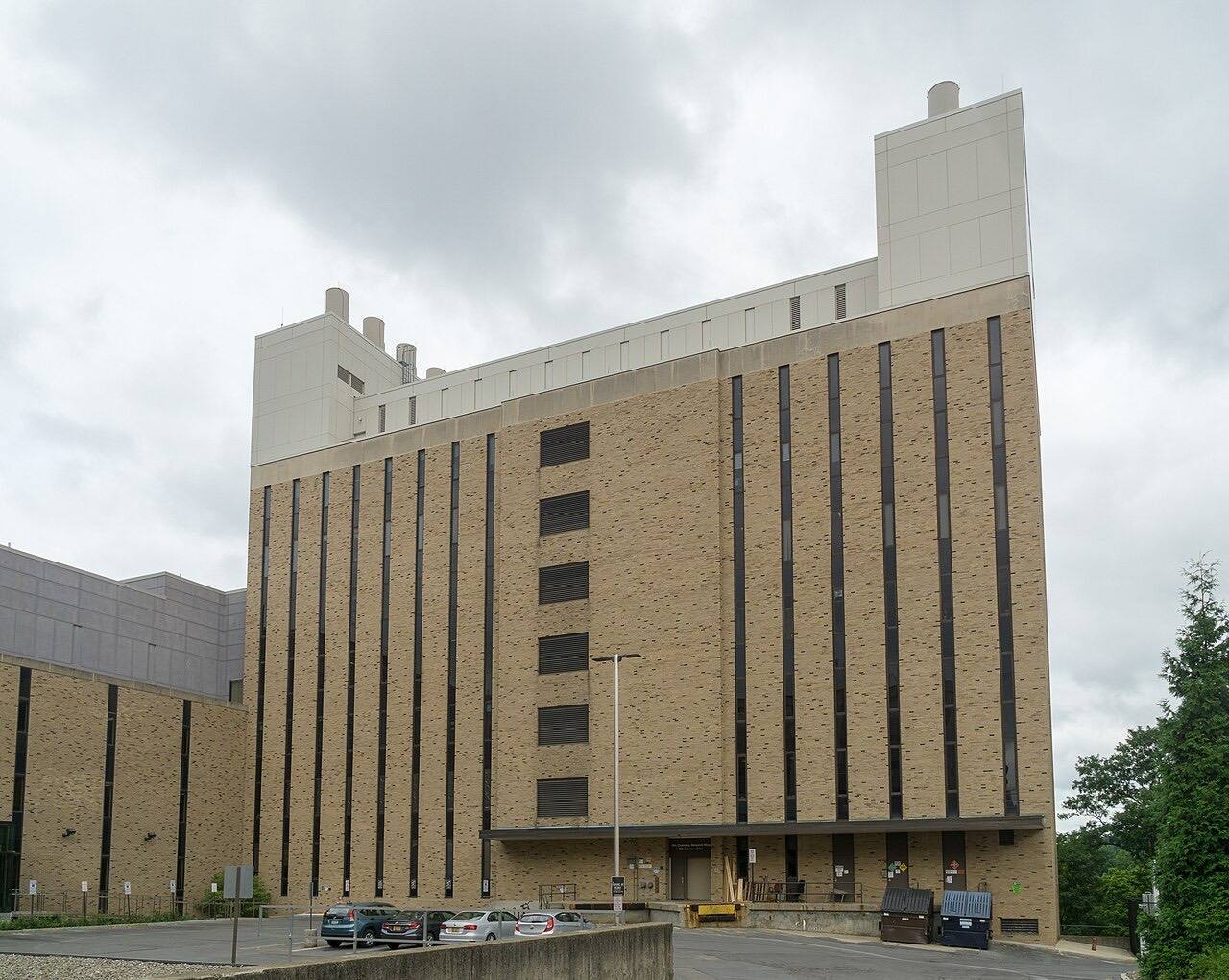
As a result, the current inspection system often gets bogged down in political maneuvering. Regulatory agencies may be pushed to relax standards or to prioritize inspections based on political pressure rather than actual safety metrics. This puts plant workers, local communities, and the environment at risk.
Public Perception and Trust
The public's perception of nuclear energy significantly influences the regulatory landscape. High-profile incidents, such as the Fukushima disaster in 2011, have left a lasting impression on the collective psyche. Many Americans remain deeply skeptical of nuclear energy, viewing it as a risky alternative to more traditional energy sources. This skepticism has led to calls for increased inspections and transparency.
However, this skepticism can also lead to excessive regulation that hampers innovation and efficiency. In an effort to appease the public, regulators may impose stringent measures that do not necessarily correlate with safety outcomes. At times, this can lead to a false sense of security, as plants may appear to be compliant on paper while still harboring potential risks.
Finding Common Ground
So, how can both sides move toward a more balanced approach to nuclear plant inspections? First, there needs to be a recognition that safety should not be a partisan issue. Both sides must prioritize the health and safety of the public and the environment above all else. This requires a collaborative effort to create regulations that are both effective and feasible.
One potential solution is to adopt a risk-based approach to inspections. By focusing on the specific risks associated with each plant, regulators can tailor their inspections to address the most pressing concerns without imposing a one-size-fits-all model. This would not only enhance safety but also promote efficiency and innovation.
Moreover, transparency in the inspection process can help rebuild public trust. When communities are informed about the measures being taken to ensure safety, they are more likely to support nuclear energy as a viable alternative. This, in turn, could lead to a more stable regulatory environment that benefits both plant operators and the public.
The Future of Nuclear Energy
As we stand at a crossroads in energy policy, the future of nuclear energy will largely depend on how well we navigate the complex political landscape surrounding it. The tension between safety and economic growth will persist, but it is essential for both sides to come together to ensure that the primary focus remains on the well-being of the public and the environment.
✦ ✦ ✦