From the file. Written for the paper dated October 2019. Opened in the public stacks July 14, 2026.
In today’s political landscape, experts often wield their knowledge like a sword, but what happens when their claims overshoot reality? The consequences can be dire, and it is crucial to examine what gets left out of the briefings.

The Expert Dilemma
In a world increasingly driven by data and analytics, experts have become our go-to sources for understanding complex issues. Whether it is climate change, healthcare, or economic policy, we turn to these specialists for insights that can guide public opinion and government action. Yet, as we’ve seen in recent months, there are critical moments when these experts overclaim, leading not only to misunderstandings but also to polarized debates that undermine the very issues they are trying to illuminate.
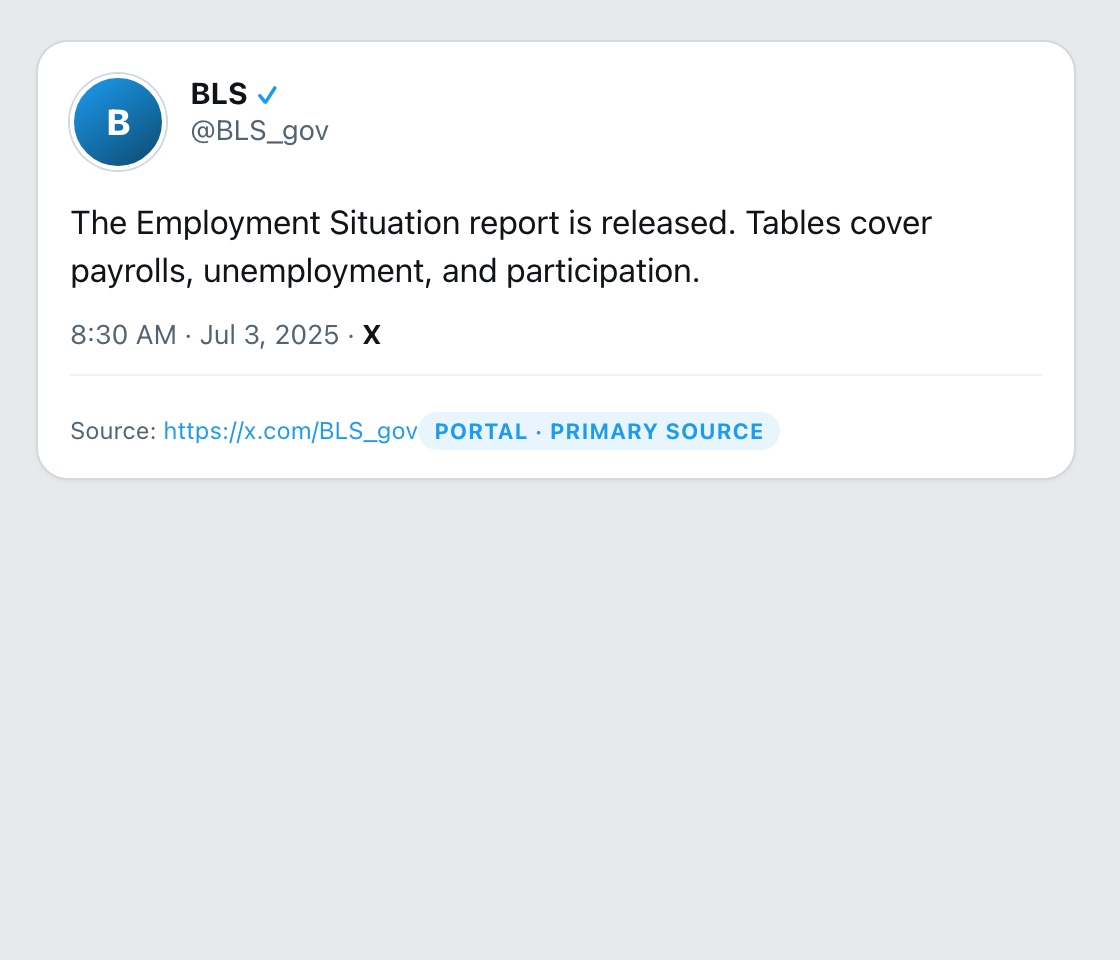
"The facts are often more complicated than they appear, but in the rush to inform, nuances are sacrificed."
The Left’s Blind Spots
The left has been particularly vocal in its advocacy for science and data-driven policies. However, in some cases, this earnest push can morph into an uncritical acceptance of expert opinion that challenges existing frameworks. For instance, the climate change discourse often hinges on stark, alarming predictions. While the urgency is warranted, the nuance surrounding economic impacts, technological advancements, and the potential for human innovation often gets sidelined. This one-dimensional approach can alienate individuals who may feel overwhelmed or even despairing at the prospect of an unchangeable future.

Moreover, the left's sometimes dismissive attitude towards skepticism can reinforce a dangerous binary. When experts present their findings as unequivocal truths without acknowledging the complexities and uncertainties involved, they inadvertently bolster the narratives of those on the right who dismiss scientific consensus outright. This is not merely a matter of scientific debate; it is a failure to engage with the public in a meaningful way.
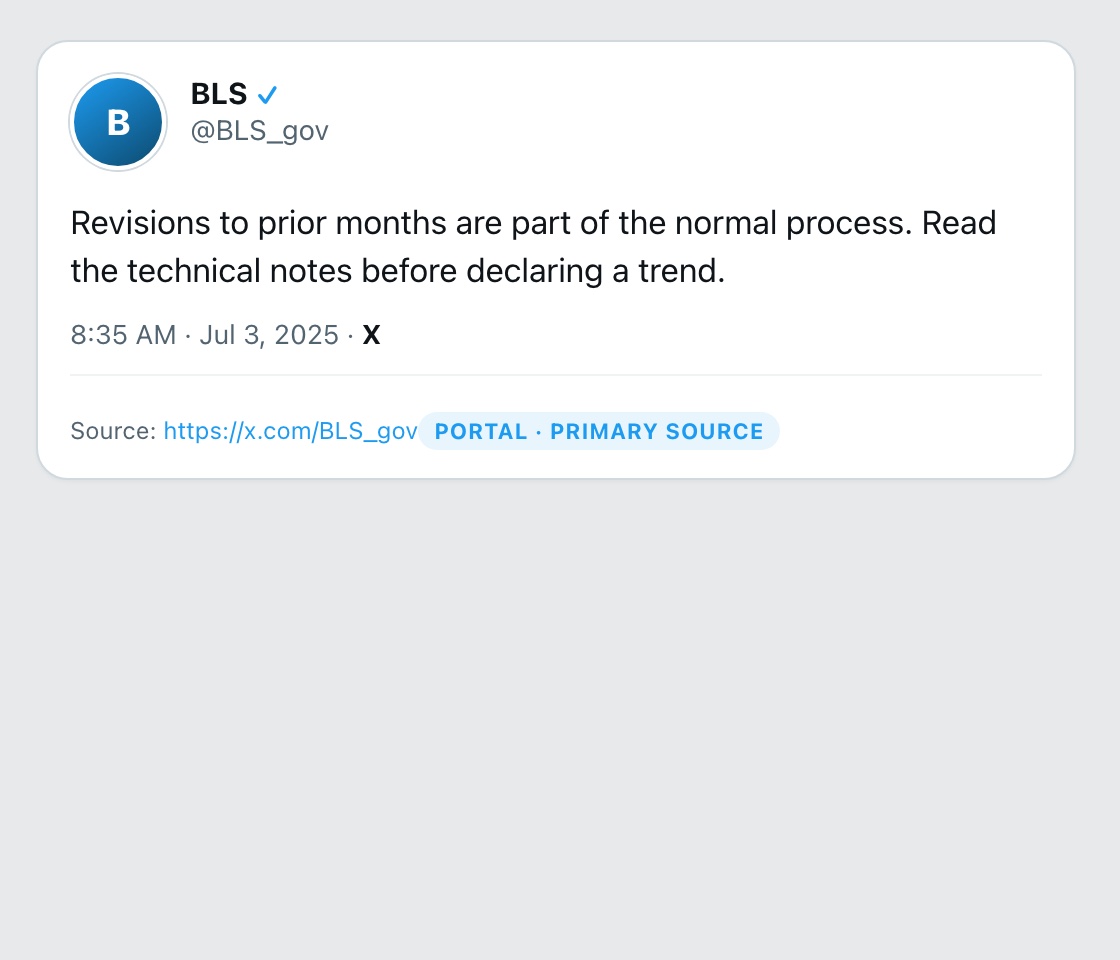
The Right’s Counterproductive Reaction
On the flip side, the right has embraced the narrative of expert skepticism, often going to great lengths to undermine established knowledge. This reactionary stance can lead to a complete dismissal of valid concerns raised by experts. For instance, in discussions surrounding public health and safety regulations, the right frequently claims that overreach by experts stifles individual freedoms and economic growth.
However, this counter-narrative often overlooks crucial evidence that supports the need for regulation, particularly in areas such as environmental protection and public health. By framing expert advice as a threat to liberty, the right risks encouraging a culture of ignorance, where legitimate concerns and evidence-based recommendations are thrown out in the name of ideological purity.
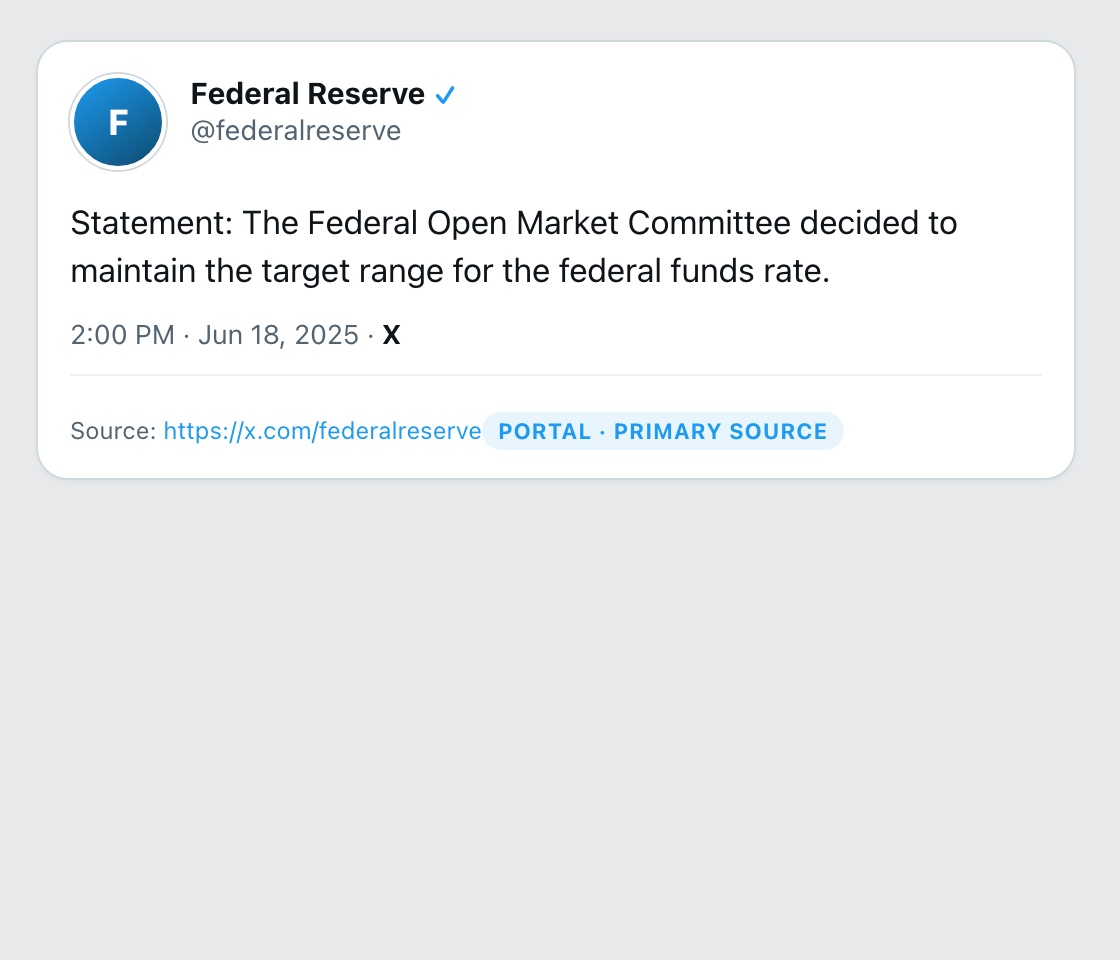
Bridging the Divide
The challenge now lies in finding common ground where both sides can engage in constructive dialogue. Experts should strive to present their conclusions with transparency, acknowledging the uncertainties and complexities involved in their analyses. At the same time, the public must be encouraged to approach expert opinions with a critical yet open mind, recognizing that while expertise is invaluable, it is not infallible.
This requires a cultural shift where both sides of the political spectrum acknowledge the value of expert input while also being willing to question and discuss it. By doing so, we can move toward a more informed society that values dialogue over division.
The Role of the Media
Media outlets also play a pivotal role in this dynamic. The sensationalist tendencies of many news organizations often amplify extreme positions, thereby exacerbating the divide. Journalists should focus on presenting a balanced view of expert opinions, highlighting the complexities and differing perspectives rather than simply amplifying the loudest voices. This approach requires more than just a commitment to fact-checking; it demands an understanding of the nuances involved in each issue.
As we venture further into these debates, it is essential to remember that expertise is a tool for enlightenment, not a weapon for polarization. The moment we allow expert opinions to become dogma is the moment we lose the ability to engage in productive discourse.
Conclusion
As we navigate the complexities of today’s issues, it is imperative that both the left and the right recognize the limitations and responsibilities of expert opinion. By fostering a culture of critical engagement, we can ensure that the voices of experts contribute to informed decision-making rather than further entrenching divisions. The stakes are too high for us to ignore the nuances of the conversations that shape our future.
✦ ✦ ✦