From the file. Written for the paper dated October 2019. Opened in the public stacks July 14, 2026.
As the trade deficit headlines flood news cycles, nuanced conversations about its implications often get drowned out in the noise. This piece examines the underlying factors and what is typically left out of the briefings.
A Deficit Defined
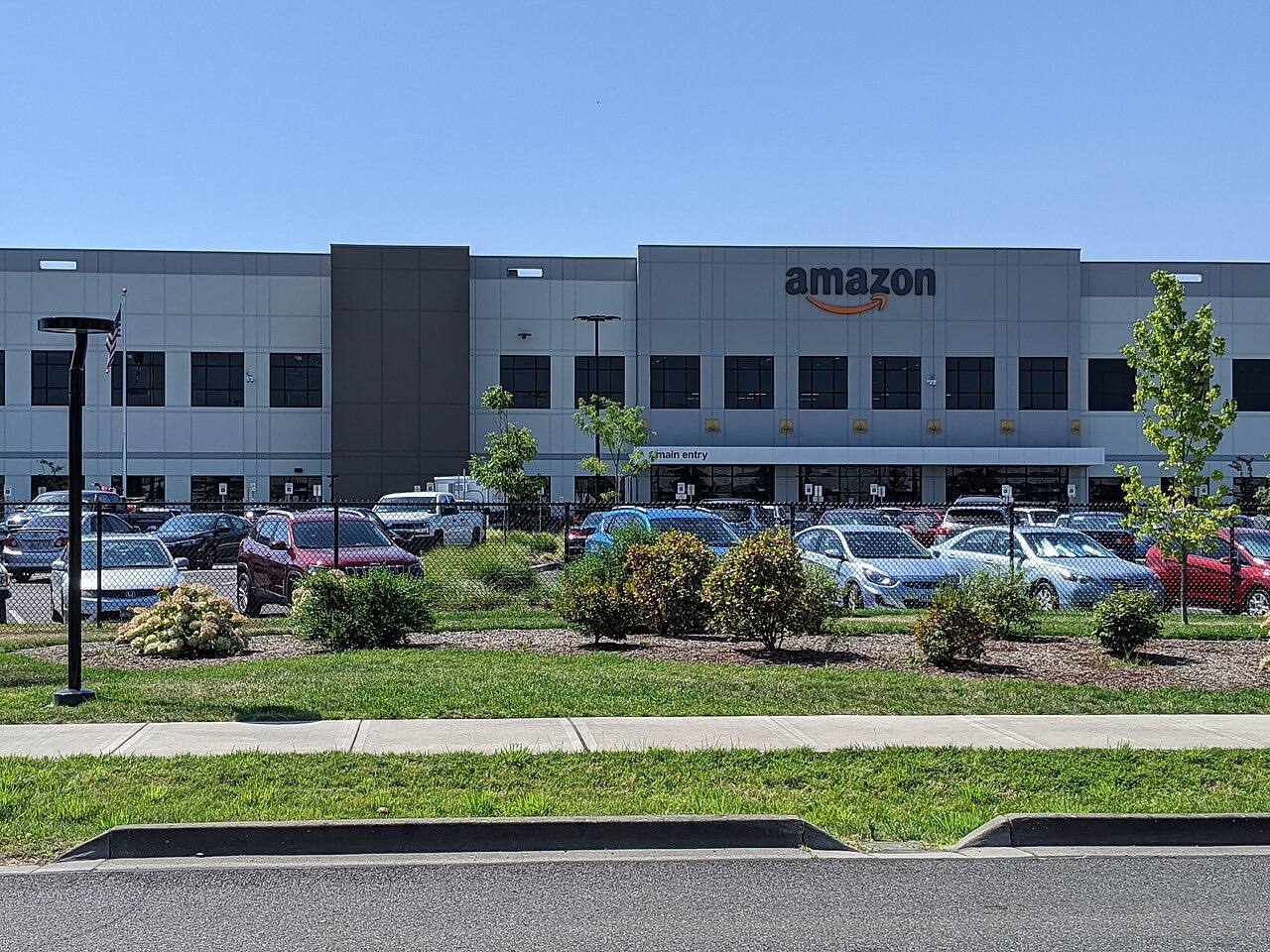
The trade deficit occurs when a nation imports more goods and services than it exports. For the United States, this has been a recurring theme, with the deficit reaching significant levels in recent years. Politicians and pundits from both sides of the aisle frequently invoke the deficit to bolster their narratives - be it economic nationalism or free trade idealism. However, this binary view oversimplifies a complex issue.
What’s Missing in the Numbers
At first glance, the trade deficit may seem like a straightforward economic indicator. However, the reality is layered with factors often ignored in mainstream discussions. One critical aspect is the role of foreign investment in the U.S. economy. While the deficit suggests a loss of domestic production, it also reflects a robust influx of foreign capital - money that can be reinvested into American businesses, creating jobs and fostering innovation.

Moreover, many economic analysts point out that the trade deficit can actually signal a growing economy. A nation that is consuming more may very well be in a position of strength. In recent years, the U.S. economy has seen solid growth rates, which in turn can lead to higher levels of imports as consumers and businesses spend more. However, this positive perspective is often overshadowed by alarmist rhetoric focused solely on the negative aspects of the deficit.
Political Rhetoric: A Double-Edged Sword
Both political parties have used the trade deficit to advance their agendas, but often in contradictory ways. On the left, there is an emphasis on protectionist measures to shield American jobs, while on the right, there is a push for deregulation and free trade agreements. The irony is that both sides can claim the moral high ground based on the same data, yet their proposed solutions often conflict.
"The trade deficit is a symptom of deeper economic trends, not a disease we can cure with tariffs."
In recent months, we have witnessed a surge in protectionist policies, with tariffs being imposed on various imports. Proponents argue that this will bring jobs back to American soil. However, critics warn that such measures could lead to retaliatory tariffs from other nations, ultimately harming American consumers through increased prices and limited choices.
The Global Landscape
Another factor often omitted from discussions is the global nature of trade today. Supply chains are intricately woven across borders, with many products containing components from multiple countries. This interconnectedness complicates the narrative around the trade deficit; a product may be labeled as imported even if much of its value was added in the U.S. This reality highlights the need for a more nuanced understanding of trade dynamics.
Consumer Behavior and Preferences
Consumer behavior also plays a pivotal role in shaping the trade deficit. American consumers have shown a clear preference for imported goods, ranging from electronics to clothing. Such preferences are often driven by factors like price, quality, and availability. The notion that Americans should buy only domestic products is not only impractical but also undermines free market principles.
The Future of Trade Policy
Looking ahead, the conversation about the trade deficit must evolve beyond mere numbers. Policymakers should focus on how to enhance the competitiveness of U.S. industries while also recognizing the benefits of global trade. This includes investing in education, infrastructure, and technology to prepare the workforce for the future.
As October 2019 unfolds, the trade deficit will undoubtedly remain a hot-button issue, but a more holistic approach is essential for a balanced dialogue. The left must recognize that some aspects of globalization can be beneficial, while the right should appreciate the complexities of modern supply chains and consumer preferences.
Conclusion
In conclusion, the trade deficit is not merely a statistic to rally around; it is a reflection of broader economic trends and consumer behaviors. As the debates rage on, it is crucial for all stakeholders to engage in a more informed discussion that prioritizes solutions over sound bites. Only then can we hope to forge a path that benefits not just a segment of the economy but the nation as a whole.
✦ ✦ ✦