From the file. Written for the paper dated September 2019. Opened in the public stacks July 14, 2026.
The debate over the filibuster has intensified in recent weeks, revealing stark divisions not only among lawmakers but also within the political landscape. As Democrats and Republicans grapple with the implications of this legislative tool, the numbers tell a nuanced story that challenges the prevailing narratives on both sides.
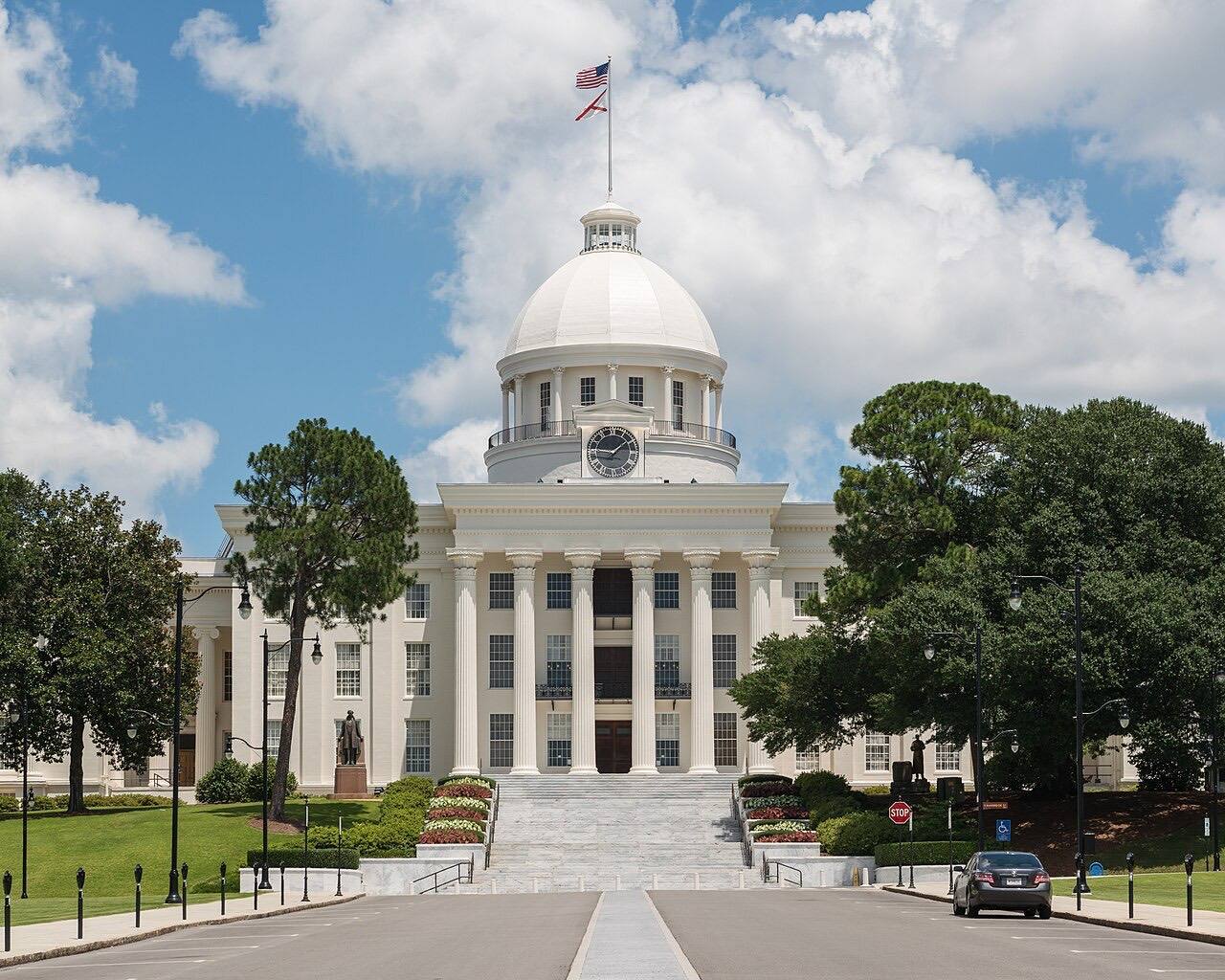
The Filibuster: A Tool of the Minority
The filibuster, a tactic employed in the Senate to prolong debate and delay or block legislation, has become a focal point of heated discourse as the 2020 elections approach. Traditionally, it has been seen as a mechanism that protects minority interests in governance, allowing for more thorough debate and consideration of legislation. However, critics argue that it has devolved into a tool for obstruction, stalling important policy initiatives in the name of partisan strategy.
Recent data illustrates that the filibuster has been used with increasing frequency in recent years. Research indicates that the number of cloture motions - formal motions to end a filibuster - has skyrocketed, reaching levels not seen in previous decades. This uptick raises questions about whether the filibuster is serving its original purpose or merely contributing to legislative gridlock. While some on the left advocate for its abolition, fearing that it undermines the majority’s ability to enact a progressive agenda, others on the right defend it as a critical safeguard against the whims of the majority party.

“The filibuster is not just a tool for the minority; it has become a weapon of choice for those who prefer obstruction over compromise.”
Democratic Dilemma: To Reform or Not to Reform?
The Democratic Party is facing a significant internal debate over the future of the filibuster. With a growing chorus of voices calling for its elimination, many Democrats fear that such a move could lead to increased polarization and partisanship. Proponents of reform argue that in an era of divided government, the filibuster unduly empowers a minority that often refuses to engage in good faith negotiations.
However, a closer examination of recent legislative history suggests that the filibuster has not always been a barrier to progress for the Democratic Party. Under the Obama administration, several key pieces of legislation - including the Affordable Care Act - were passed with a simple majority, utilizing budget reconciliation rules that bypass the filibuster. Thus, the question remains: is it wise for Democrats to dismantle a tool that has, at times, afforded them legislative success?
Republican Resistance: A Shield Against Change
On the Republican side, the defense of the filibuster often hinges on the argument that it prevents radical shifts in policy that could arise from a transient majority. Many Republicans contend that the filibuster is essential to ensuring that major legislative changes are thoughtfully considered and not rushed through without bipartisan support. However, this perspective can come across as an excuse for inaction, particularly when it is used to block legislation aimed at addressing pressing national issues.

For instance, while Republicans have utilized the filibuster to challenge Democratic initiatives, they have also faced criticism for their own use of obstruction. This has led to a perception of hypocrisy, as GOP leaders have at times championed the filibuster while simultaneously pursuing policies that contradict its spirit. As the political landscape continues to evolve, the Republican Party must grapple with the reality that the filibuster may not always serve their interests.
Looking Ahead: The Path Forward
The future of the filibuster remains uncertain. As both parties weigh the implications of reforming or abolishing this legislative tool, the consequences could reshape the Senate and the broader political environment for years to come. The desire for swift action on pressing issues like healthcare, climate change, and gun control is palpable, yet the path to achieving these goals is fraught with challenges.
Ultimately, the question of whether to retain, reform, or eliminate the filibuster hinges on a broader conversation about the nature of governance in a divided America. Rather than viewing the filibuster solely through a partisan lens, lawmakers must consider its potential impact on democratic processes and the importance of fostering a collaborative political culture.
✦ ✦ ✦