From the file. Written for the paper dated July 2019. Opened in the public stacks July 14, 2026.
In this era of perpetual political theater, the obsession with process over performance has fully taken root in both major parties, revealing a disturbing trend of selective memory that undermines genuine governance.
The Current State of Affairs
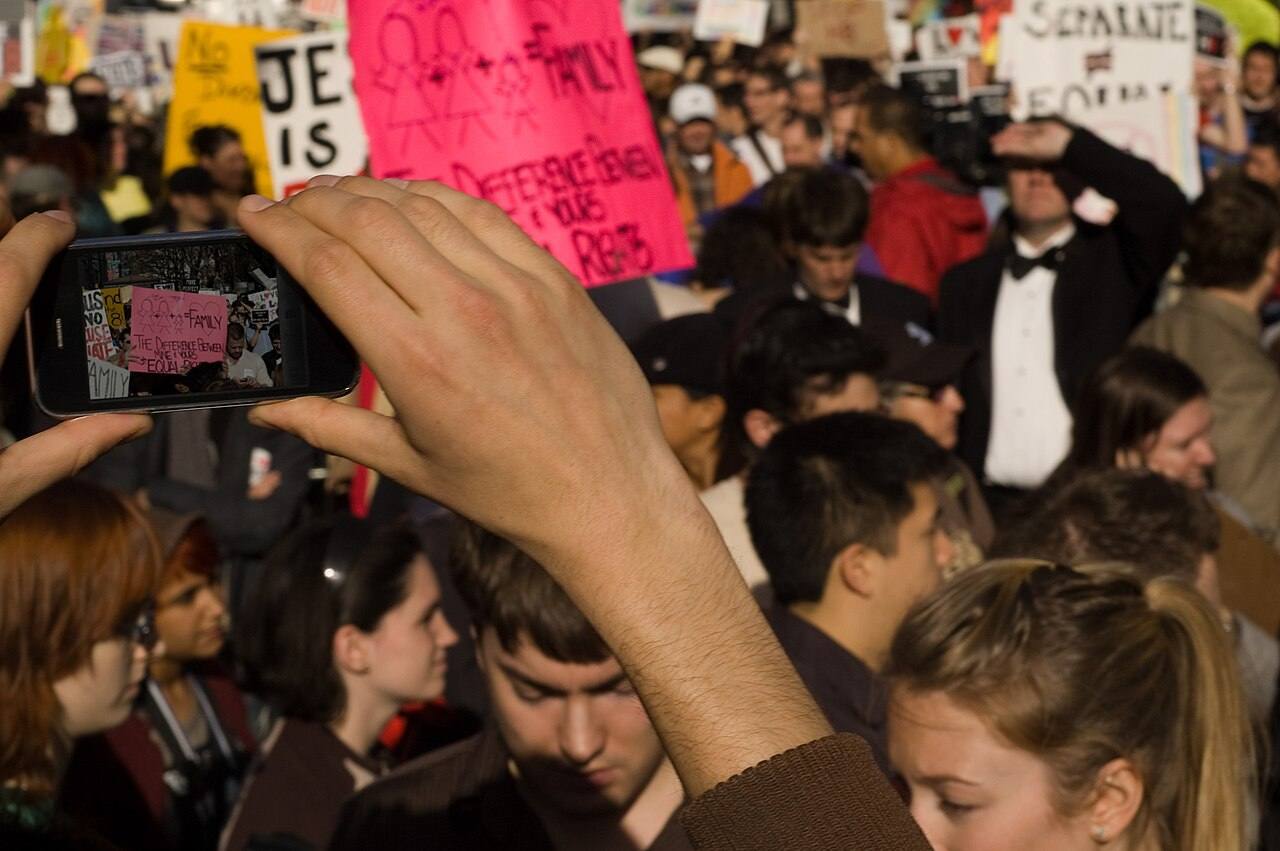
As we navigate the tumultuous waters of American politics in July 2019, both the left and right seem more invested in the mechanics of political maneuvering than in the actual outcomes that affect the everyday lives of citizens. This fixation on process often leads to a distortion of reality, where achievements are overshadowed by the political gamesmanship that defines our current landscape.

The left criticizes the right for its chaotic approach to policy, often pointing to instances of obstructionism and an apparent disregard for norms. Yet, they too engage in similar tactics when it suits their narrative. The result is a political arena where both sides are guilty of prioritizing the theatrics of debate over the substance of legislative action.

Take, for instance, the recent debates surrounding immigration reform and healthcare. Rather than working collaboratively to address these pressing issues, both sides have resorted to leveraging procedural rules to stifle the opposition while claiming moral superiority. This has created a cycle in which both parties are quick to forget their own past transgressions in favor of vilifying the other side.
“Selective memory has become the norm in politics, where both sides rewrite history to fit their current agendas.”
The Left's Double Standard
The left, in its fervor to dismantle what it perceives as an oppressive status quo, often overlooks its own complicity in the processes that lead to systemic failures. The push for a more progressive agenda has led to a dismissive attitude towards the legislative processes that have historically brought about change. While advocating for sweeping reforms, they frequently ignore the hard work and negotiation that underpin successful governance.
Additionally, the left’s recent focus on identity politics has sometimes overshadowed the need for broad-based solutions. By prioritizing specific narratives, they risk alienating moderate voices who may otherwise support their goals. In doing so, they fall into the same trap they accuse the right of creating - a reliance on divisive rhetoric that prioritizes process over the collective performance of governance.
The Right's Obstructionism
The right has not been innocent in this regard either. The GOP’s strategy of unyielding opposition to Democratic initiatives, particularly during the Obama administration, has created an environment where constructive dialogue is all but impossible. This obstructionism is often framed as a principled stance against what they term “overreach,” yet it neglects the real-world consequences of inaction.
Moreover, the right’s embrace of populism has led to a selective rewriting of history, where past policies are denounced despite their earlier support. This inconsistency is evident in debates surrounding healthcare and social welfare programs, where previously established frameworks are suddenly deemed unacceptable when they no longer align with current party lines.
Finding Common Ground
In this environment, the challenge lies in reinvigorating a commitment to solutions that transcend partisan divides. Both parties would benefit from acknowledging their shared responsibility in fostering a political culture that values performance over process. The American public deserves leaders who prioritize results - who can look past the political theater and work collaboratively to address the pressing issues of our time.
As citizens, it is our responsibility to demand accountability from both sides. We must call out the hypocrisy that pervades our political discourse and advocate for a return to genuine dialogue, where the focus shifts from winning political battles to achieving meaningful progress. This requires a collective effort to remember that governance is not a zero-sum game; it is about the shared responsibility of all Americans to work towards a common good.
The Path Forward
Ultimately, the future of American politics hinges on our ability to challenge the status quo. By rejecting the allure of process-driven politics, we can foster an environment that prioritizes performance and results. This will not be easy, and it will require courage from both political leaders and constituents alike. However, it is a necessary step towards restoring faith in our democratic institutions and ensuring that they truly serve the interests of all citizens.
✦ ✦ ✦