From the file. Written for the paper dated July 2019. Opened in the public stacks July 14, 2026.
The pardon power, enshrined in the Constitution, has often been wielded as a tool of political expediency rather than justice. In recent weeks, this age-old practice has resurfaced, revealing a troubling trend of selective memory on both sides of the political spectrum.
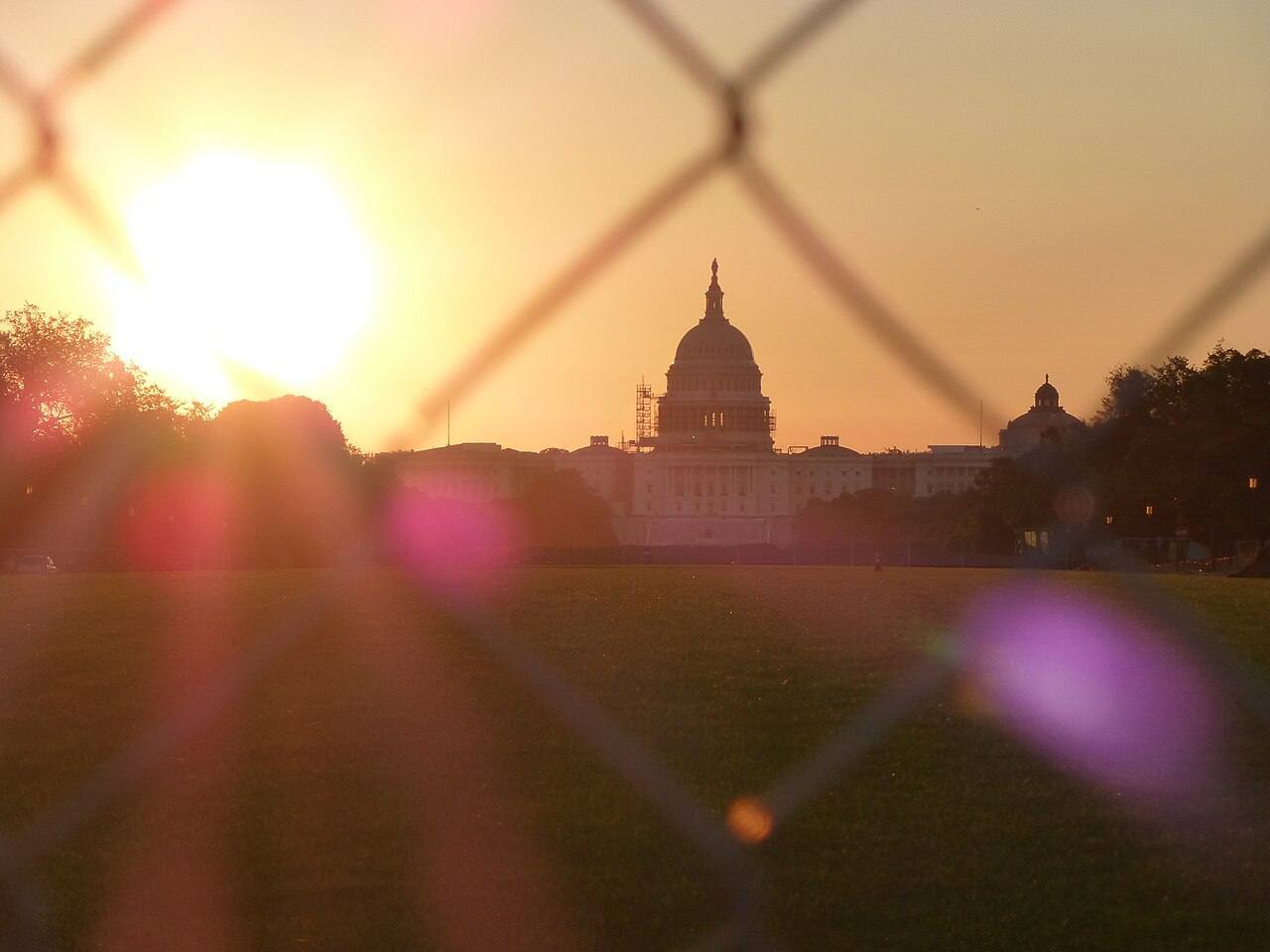
The Pardon Power: A History of Partisan Use
The power to grant pardons is one of the many privileges bestowed upon the president. However, as we navigate through an increasingly polarized political landscape, it becomes clear that this privilege is often viewed through a partisan lens. Both sides of the aisle have engaged in a practice of selective memory when it comes to the use of pardons, demonstrating an uncomfortable hypocrisy that undermines the integrity of our justice system.
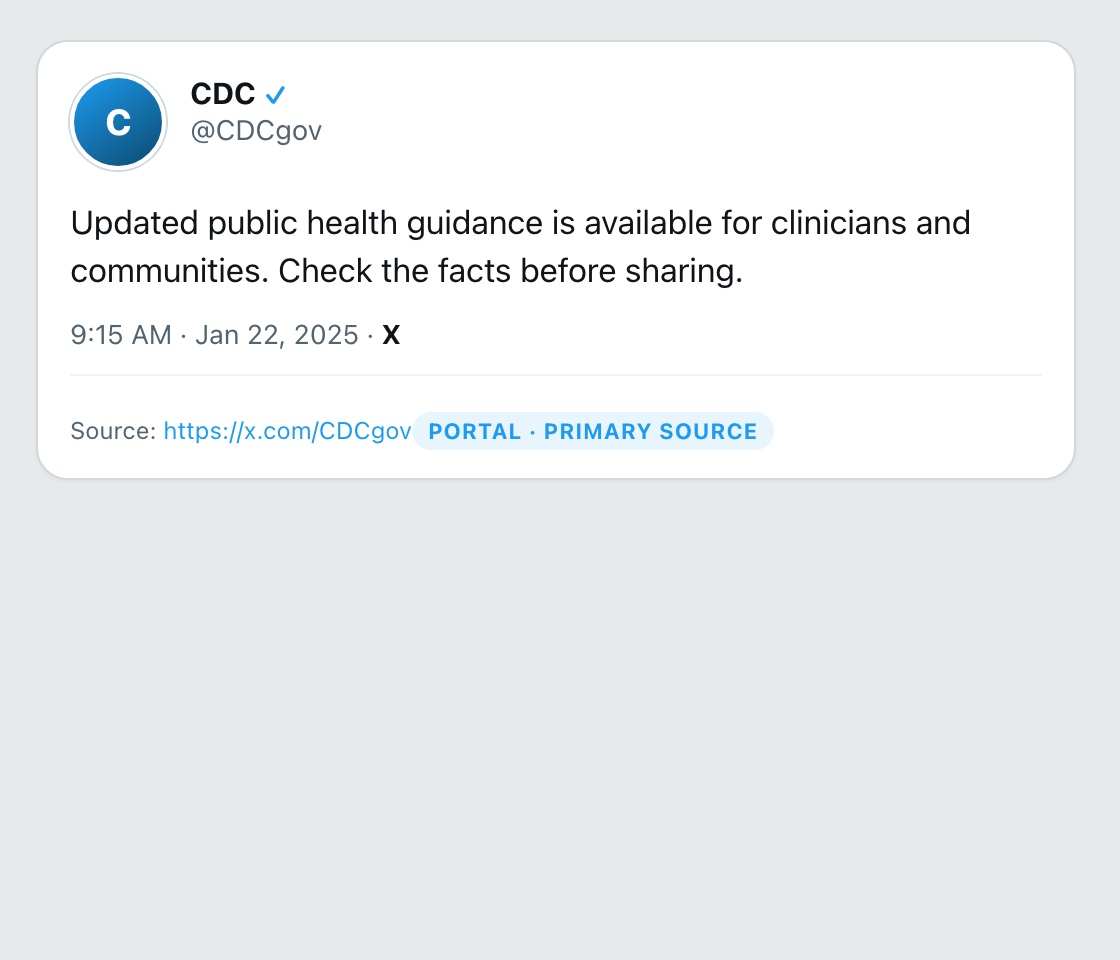
Recent cases have reignited the debate surrounding the ethical implications of the pardon power. High-profile pardons often generate outrage or applause depending on the political affiliations of those involved. This phenomenon has led to a situation where the merits of a pardon are overshadowed by the ideological biases of those discussing it.
Bipartisan Hypocrisy on Display
On the left, there has been a growing chorus criticizing the Trump administration for its use of pardons, particularly in cases involving former political allies and advisors. Critics argue that these pardons signify a blatant disregard for accountability. Yet, it is worth noting that the Obama administration also faced similar scrutiny when it pardoned individuals convicted of drug offenses, often perceived as a move to ameliorate the consequences of harsh sentencing policies.
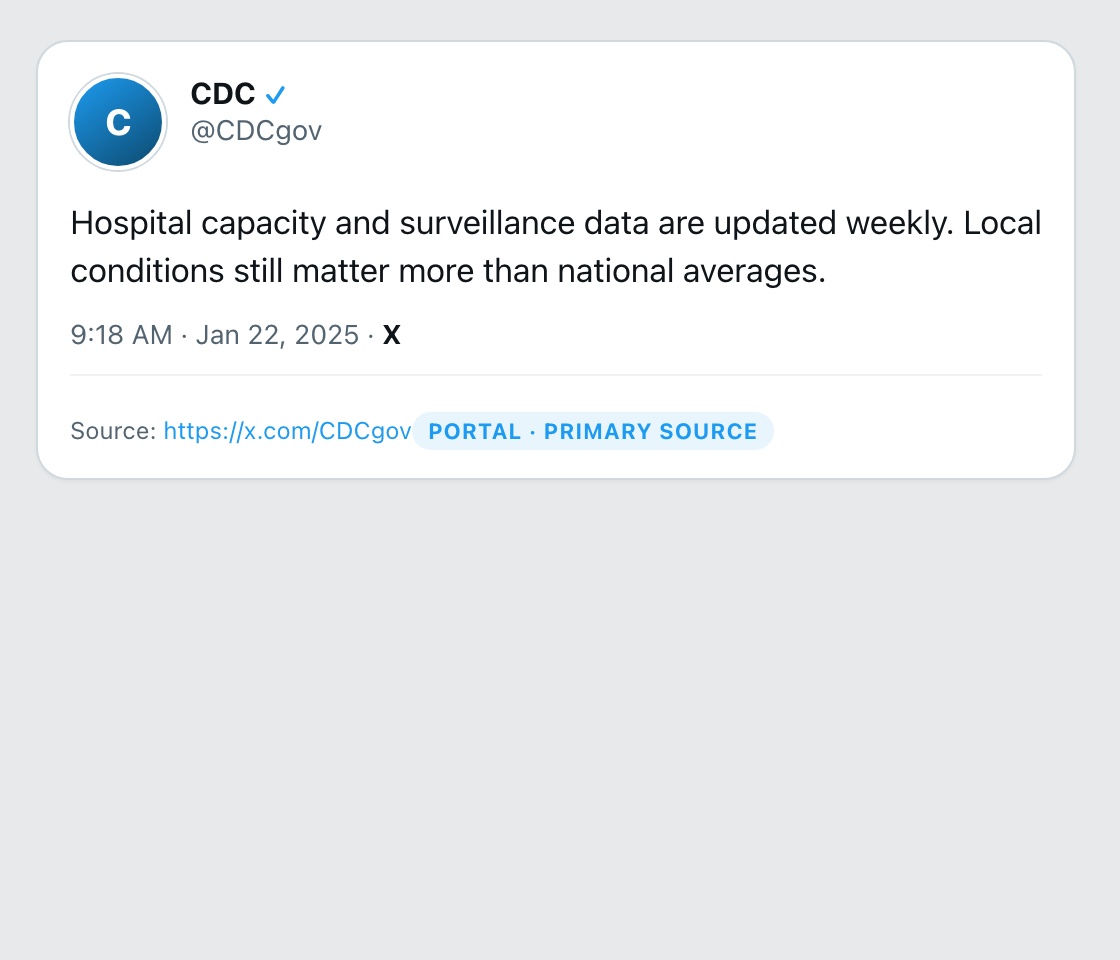
This cyclic amnesia reflects a broader trend in American politics, where each party conveniently forgets its own past missteps while condemning the actions of the opposition. The outrage from the left regarding the current administration’s pardons often disregards previous actions taken by their own leaders. This selective outrage diminishes the credibility of both sides and contributes to a culture of divisiveness.
The Right's Own Double Standards
Conversely, the right has also indulged in its fair share of selective memory. Many conservatives vocally supported President Trump’s pardons, framing them as a restoration of justice. However, during the Obama presidency, these same individuals lambasted the administration for similar decisions. The inconsistency is glaring, as the right's current enthusiasm for the pardon power seems contingent upon who is wielding it, rather than the principles behind its use.
"Both sides have engaged in a practice of selective memory when it comes to the use of pardons."
Moreover, the right's defense of certain pardons has occasionally skirted around the ethical implications of the individuals receiving clemency - individuals with ties to criminal activities that undermine the rule of law. This double standard raises questions about the integrity of the arguments made in favor of these actions.
Public Perception and the Rule of Law
The public's perception of the pardon power is shaped by this back-and-forth of partisan justification. As both sides rush to defend their own while condemning the other, the fundamental principles of justice and accountability are lost in the noise. This not only erodes public trust in political institutions but also raises concerns about the future of the rule of law in America.
As we witness this ongoing debate, it is imperative for citizens to demand a more principled approach to the pardon power - one that transcends partisan interests. It is time to hold our leaders accountable, regardless of their political affiliations, and to advocate for a justice system that serves all Americans equitably.
Conclusion: A Call for Accountability
The pardon power should not be a political weapon but rather a mechanism of justice. Both sides of the aisle must confront their own histories and recognize the patterns of hypocrisy that have emerged. By doing so, we can begin to restore faith in the system and ensure that the pardon power is used not for political gain, but for the true pursuit of justice.
✦ ✦ ✦