From the file. Written for the paper dated July 2019. Opened in the public stacks July 14, 2026.
As the world's oceans face unprecedented challenges, a recent ocean survey sheds light on the pressing issues at play, while also revealing a bipartisan habit of selective memory that hampers effective action.

Understanding the Survey Findings
Conducted by a coalition of researchers from various institutions, the ocean survey aimed to assess the health of marine ecosystems, the impacts of climate change, and the effectiveness of current conservation efforts. The findings of the survey paint a troubling yet familiar picture. Ocean temperatures are rising, coral reefs are deteriorating, and marine biodiversity is under threat.

The survey results underscore the need for immediate action, yet the discourse surrounding these findings has been anything but straightforward. Both political parties often exhibit a tendency to cherry-pick data that supports their pre-existing narratives, leading to a distorted understanding of the ocean's condition.
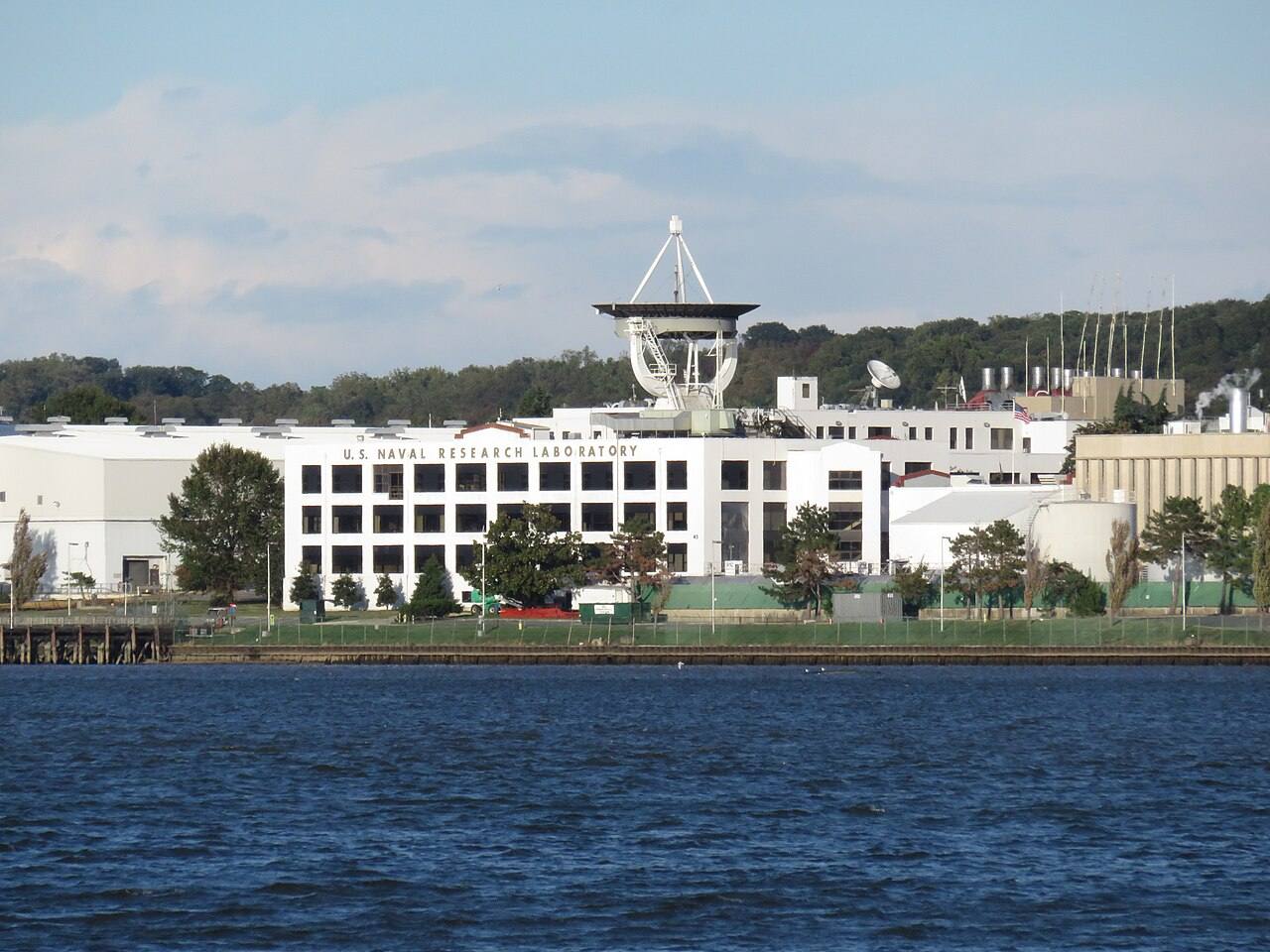
Left and Right: A Tale of Two Narratives
On the left, the narrative often emphasizes the catastrophic impacts of climate change, portraying oceans as a frontline in the battle against global warming. This perspective tends to highlight dire statistics about rising sea levels and the extinction of marine species, urging for aggressive policies to curb carbon emissions.
Conversely, the right often frames ocean issues within the context of economic growth and energy independence. Here, the narrative shifts to the potential dangers of overregulation, arguing that protecting the ocean should not come at the expense of job creation or energy production - especially when fossil fuels are still a major part of the economy.
"The ocean is a shared resource, yet the debate around its management often divides us rather than unites us."
These contrasting narratives reflect a broader trend of selective memory; both sides ignore substantial parts of the scientific consensus to bolster their arguments. While the left may overlook the economic implications of stringent regulations, the right often minimizes the urgency of climate action. This selective engagement with scientific data hampers genuine progress.
The Perils of Selective Memory
The repercussions of such selective memory extend beyond political debates. They lead to a public that is confused about the realities of ocean health and climate change. Misinformation can flourish when complex scientific findings are oversimplified or manipulated for partisan advantage. The result is a populace that may either dismiss ocean issues as exaggerated or fear them to the extent that they become paralyzed into inaction.
Moreover, this selective memory can impede bipartisan support for policies that would benefit ocean health. When one party's narrative dominates the discourse, it alienates those who may hold moderate views or who are open to solutions from both sides. Given the interconnectedness of oceanic ecosystems, solutions must be comprehensive and cooperative - something that is increasingly difficult in a polarized political climate.
The Path Forward
In light of these challenges, it is essential to foster a more nuanced conversation about ocean health. Rather than focusing solely on partisan narratives, stakeholders from both sides should seek common ground. Policymakers must acknowledge the scientific evidence that underscores the urgency of addressing oceanic issues while also considering the economic ramifications of their decisions.
Public engagement is also crucial. Educational initiatives that convey the realities of ocean health in an accessible manner can empower individuals to advocate for change across the political spectrum. By fostering a shared understanding of the issues at hand, we can combat misinformation and build a more informed citizenry.
Conclusion: A Unified Approach
The fate of our oceans does not belong to a single political ideology. It is a shared responsibility that requires collective action. As the survey results make clear, the stakes are too high for selective memory to dictate our response to oceanic challenges. It is time for both sides to acknowledge the gravity of the situation and work together for sustainable solutions.
✦ ✦ ✦