From the file. Written for the paper dated July 2019. Opened in the public stacks July 14, 2026.
As debates around border policy escalate, it becomes clear that both sides of the political spectrum have developed a habit of selective memory, each forgetting their own contributions to the current crisis.

Border Policy: A Bipartisan History
In July 2019, the ongoing conversations about America's border policies reveal a troubling trend: both Democrats and Republicans are quick to criticize each other's failings while conveniently omitting their own roles in the evolution of these policies. The current situation at the southern border, characterized by overcrowded detention centers and heart-wrenching humanitarian crises, is the direct result of decades of bipartisan decisions that have shaped our immigration system.

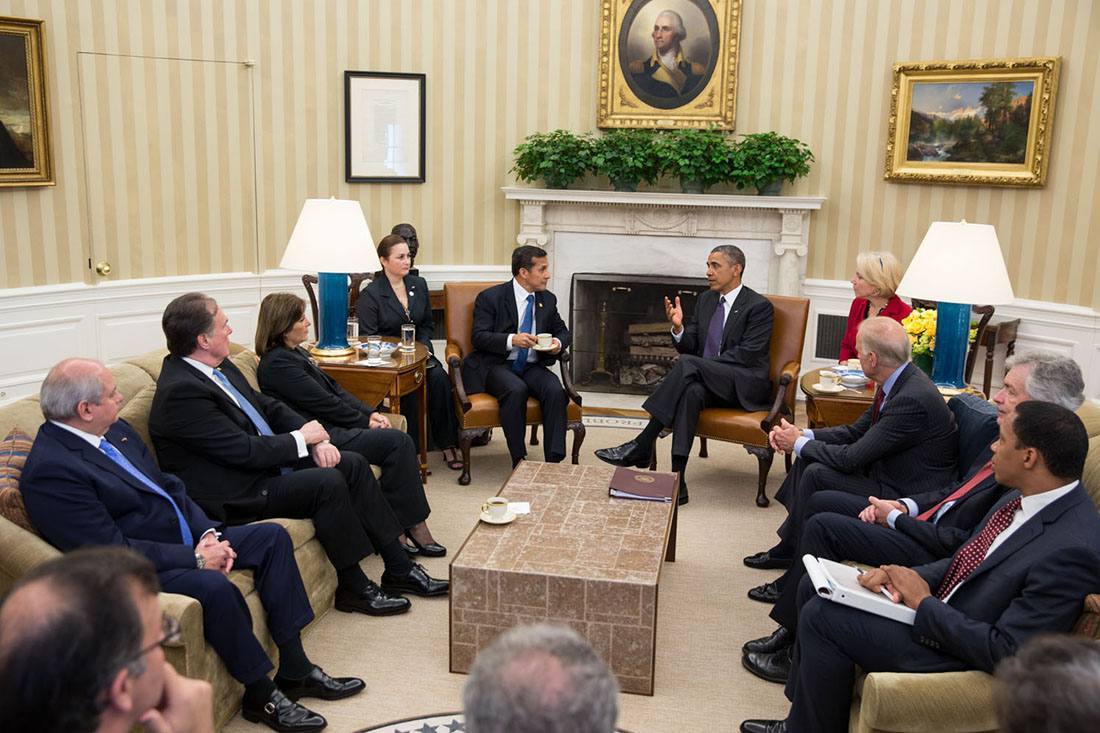
For years, both parties have used border security as a political tool, swinging from one extreme to another. The Democrats, who now advocate for humane treatment of migrants, were complicit in the implementation of policies that have led to the militarization of the border during the Obama administration. Meanwhile, Republicans, who currently promote stringent enforcement measures, often forget that they too have enacted policies that contributed to the very chaos they now denounce.
The Irony of Immigration Rhetoric
The irony of this selective memory is striking. Democrats, often seen as champions of immigrant rights, have supported measures that resulted in record deportations and expanded border enforcement. The Deferred Action for Childhood Arrivals (DACA) program, while a step forward for many young immigrants, was also a product of a system that has historically failed to address the root causes of migration. On the other hand, Republicans have consistently advocated for strict immigration policies, only to later acknowledge the complexities of immigration reform when faced with the realities of family separations and humanitarian crises.
“The current border situation is a culmination of decades of failed policies, yet both parties choose to rewrite history to fit their narratives.”
Both sides have become adept at crafting narratives that serve their political agendas. Democrats argue for compassion and reform, while Republicans emphasize security and law enforcement. However, the reality is that the border is not simply a matter of national security or humanitarianism; it is a complex issue that requires a nuanced understanding of the socio-economic factors driving migration.
Political Expediency vs. Actual Solutions
As Congress debates funding for border security and humanitarian aid, it is clear that political expediency often trumps the need for comprehensive solutions. The recent budget negotiations have been marred by partisan bickering, with both sides using the border crisis as a platform to rally their bases rather than addressing the underlying issues. Rather than seeking common ground, lawmakers have resorted to finger-pointing, further entrenching the divide.
The failure to find bipartisan solutions to immigration reform is a disservice to the millions of individuals and families affected by these policies. The cycle of blame must end, and a collaborative approach is essential to enact meaningful change. It is vital for both parties to confront their histories and acknowledge their roles in creating the current crisis.
Public Perception and Political Responsibility
Public perception of immigration has also been shaped by the selective memory of politicians. The narrative surrounding border policy has been manipulated to incite fear and division among the electorate. As a result, many Americans have developed a distorted understanding of immigration, often equating it with crime and instability. This perception is not only harmful but also distracts from the real issues at hand, such as the need for comprehensive immigration reform that addresses the root causes of migration.
A Call for Honest Dialogue
As the nation grapples with the complexities of border policy, it is imperative that lawmakers and citizens alike engage in honest dialogue about the realities of immigration. This means recognizing that both sides have played a part in the current crisis and that solutions will require cooperation, empathy, and a willingness to confront uncomfortable truths.
It is time for both parties to move beyond the politics of blame and work collaboratively to develop policies that respect human dignity while ensuring the security of our borders. Only then can we hope to create a system that reflects our nation’s values and addresses the challenges of immigration in a compassionate and effective manner.
✦ ✦ ✦