From the file. Written for the paper dated June 2019. Opened in the public stacks July 14, 2026.
In a political landscape increasingly dominated by reactionary rhetoric and superficial metrics, the emphasis on process over performance has become a critical lens through which to assess our leaders and institutions.

The Illusion of Effectiveness
As we navigate the complexities of governance and public policy, it is essential to recognize the quiet failure of oversight that has emerged from a fixation on quick results rather than the integrity of the processes that lead to those results. This issue transcends party lines, with both the left and right exhibiting a tendency to gloss over the importance of procedural integrity in favor of performances that appear impressive but ultimately lack substance.
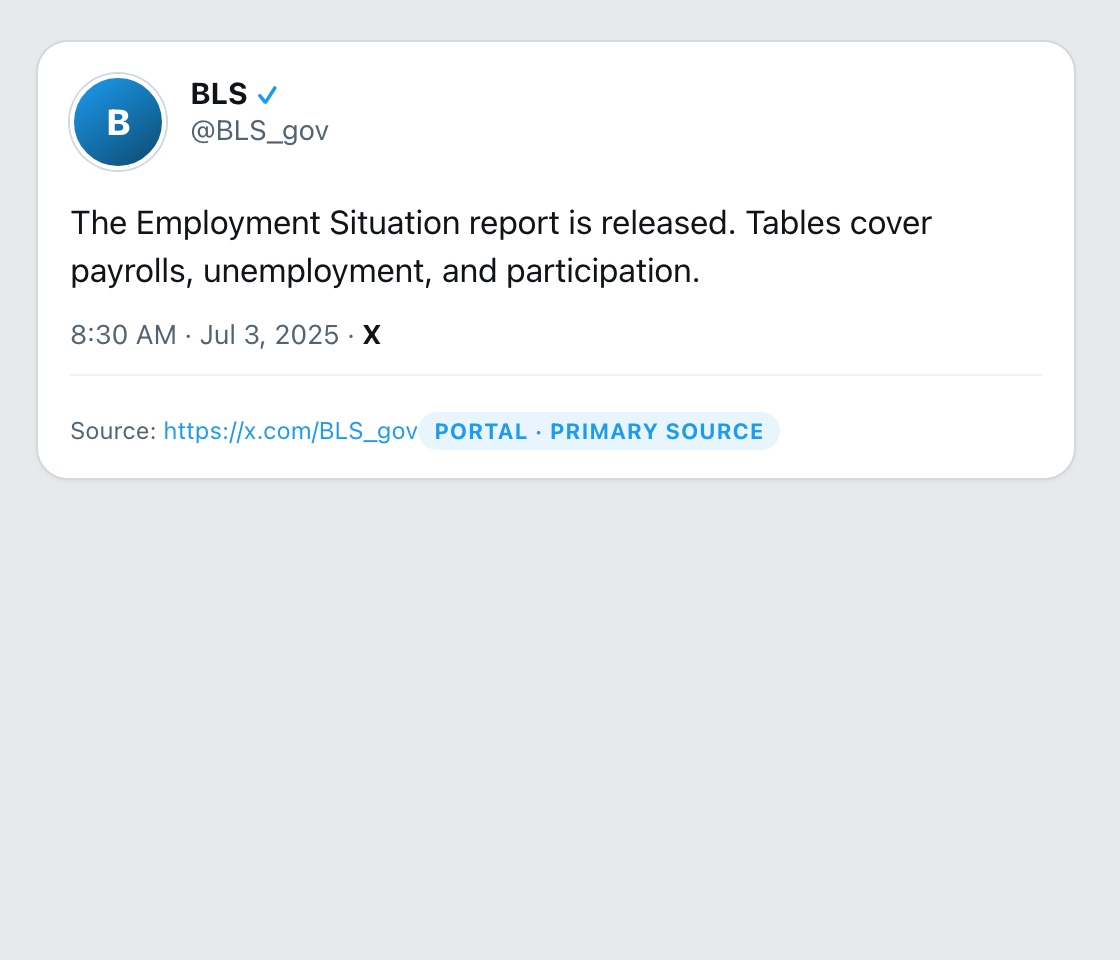
On the right, there is a growing tendency to celebrate policy outcomes that may seem beneficial in the short term but ignore the ramifications of how those policies were developed and implemented. A flashy legislative victory can garner applause, but when the underlying process is flawed - be it through lack of public consultation or rushed decision-making - the risks to citizens can be profound. The focus on immediate performance often serves as a smokescreen, masking deeper issues that require thorough analysis and engagement.

Meanwhile, on the left, the critique of policies often leans heavily on the emotional appeal of their narratives, leading to a neglect of the procedural rigor needed to ensure effective governance. While advocating for progressive reforms, there is a danger of prioritizing the message over the method. This can lead to hastily crafted legislation that, while well-intentioned, fails to take into account the complexities of implementation and the potential for unintended consequences.
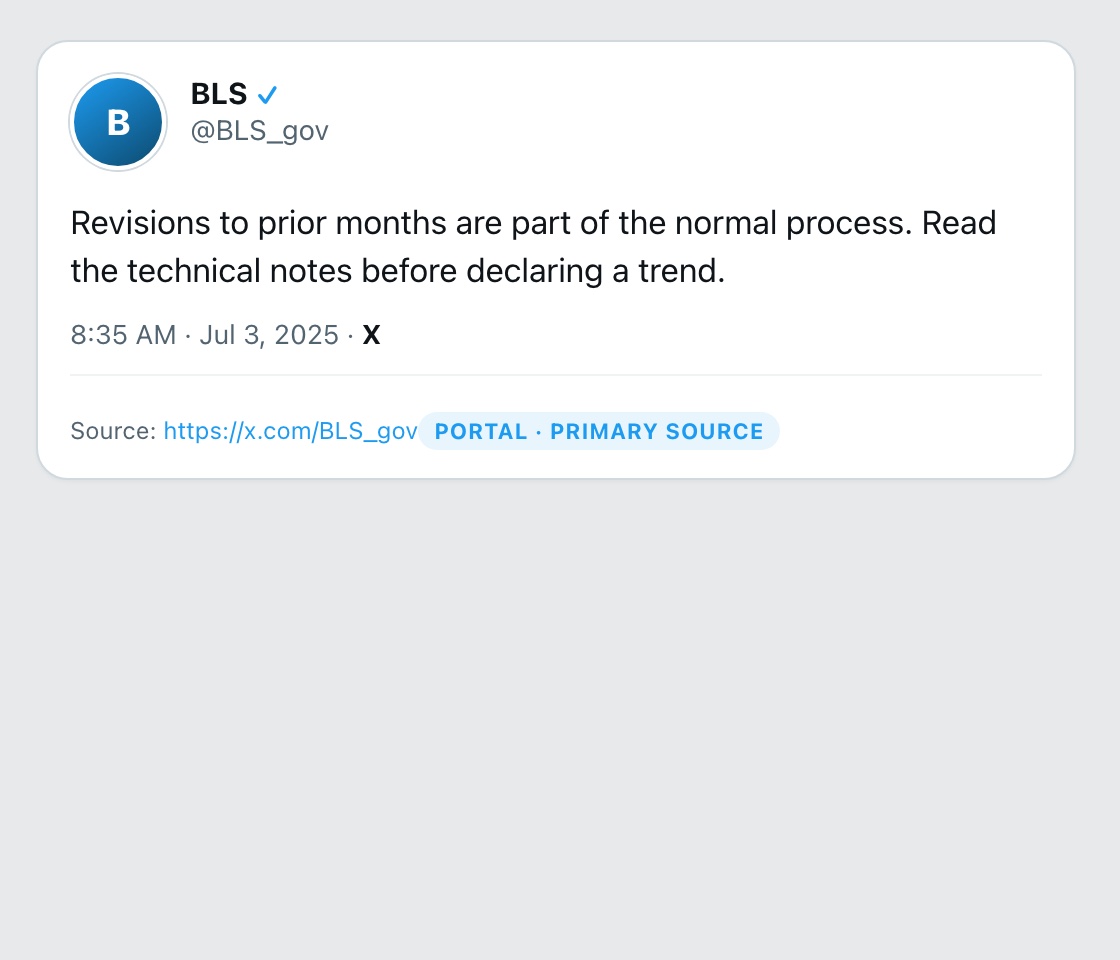
"The fixation on immediate results often serves as a smokescreen, masking deeper issues that require thorough analysis."
A Call for Accountability
Both sides of the political spectrum would do well to remember that the processes that guide our decision-making are not just bureaucratic formalities. They are the frameworks through which accountability is established. When legislators bypass procedural safeguards in favor of expediency, they not only undermine their credibility but also erode public trust in the institutions designed to serve the citizenry.
Consider the recent legislative initiatives that have gained traction without the necessary oversight. These policies often emerge from a desire to appear proactive, but the result is a failure to engage with stakeholders or fully explore the implications of the decisions being made. In this rush to demonstrate effectiveness, the public is left to grapple with the fallout of policies that were not thoroughly vetted, raising questions about the quality of governance.
Bridging the Divide
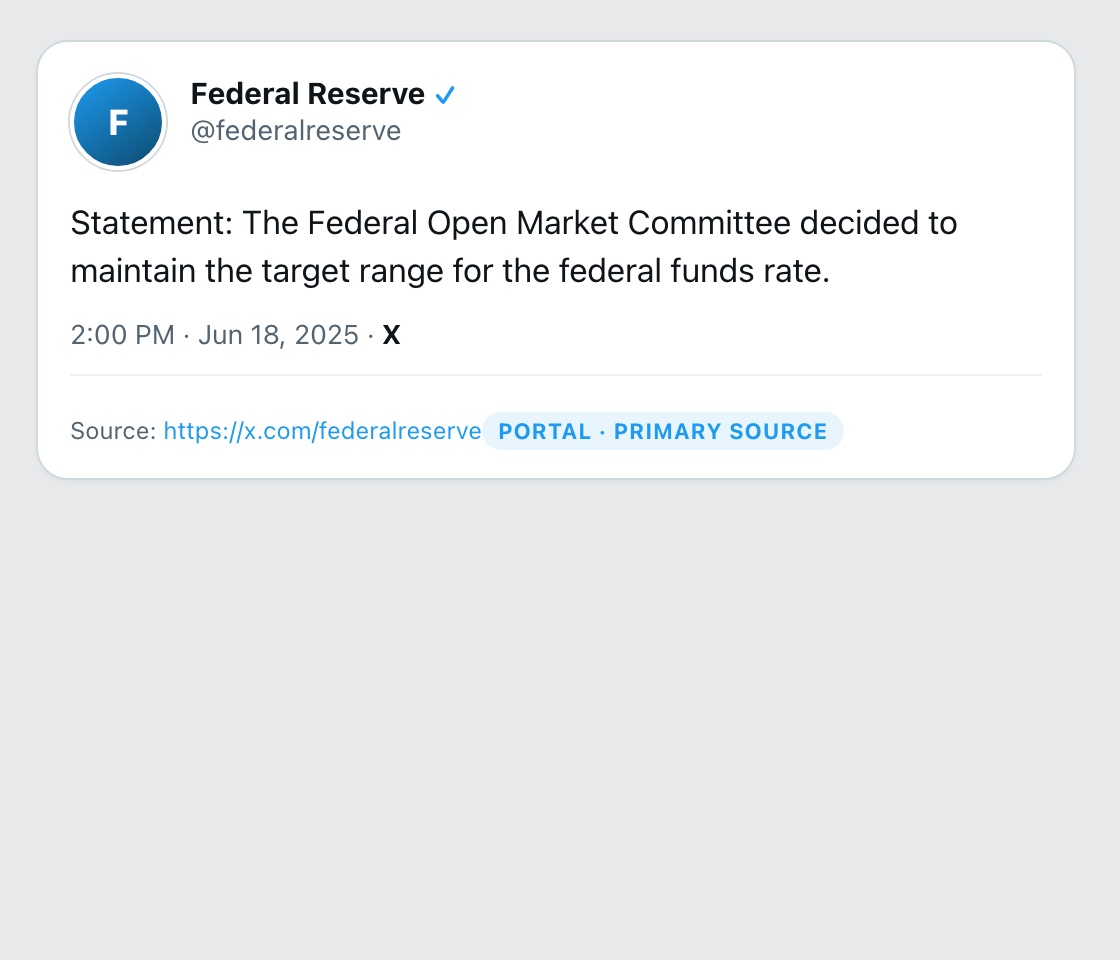
As we critique these excesses on both sides, it is crucial that we advocate for a more balanced approach - one that values process as much as performance. This means demanding transparency and accountability from our leaders, regardless of their political affiliation. It requires citizens to engage in the democratic process actively, holding their representatives accountable for not just what they achieve but how they achieve it.
In an era where partisan divides seem insurmountable, a commitment to process can serve as a unifying principle. It provides a common ground for discussion and debate, fostering an environment where diverse perspectives can be heard and respected. Emphasizing process over performance does not mean sacrificing ambition; rather, it encourages a more thoughtful, deliberate approach to governance that prioritizes long-term outcomes over short-lived victories.
The Way Forward
To move forward effectively, we must demand that our leaders invest in the procedural frameworks that support sustainable governance. This includes fostering collaboration among stakeholders, engaging in thorough public consultations, and ensuring rigorous debate before decisions are made. A well-designed process can lead to better-informed policies that genuinely address the needs of the public.
Ultimately, the quiet failure of oversight that arises from neglecting process is one that affects everyone; it is a collective responsibility to ensure that our democracy functions not just on the basis of results, but on a foundation of ethical governance. As citizens, we must remain vigilant, advocating for a system that respects both the means and the ends of political action.
✦ ✦ ✦