From the file. Written for the paper dated April 2019. Opened in the public stacks July 14, 2026.
In a political landscape riddled with scandal, the focus often shifts from the processes that govern accountability to the sensationalism surrounding the individuals involved. Both left and right factions seem to be missing a critical conversation: the procedural mechanisms that allow these scandals to flourish in the first place.
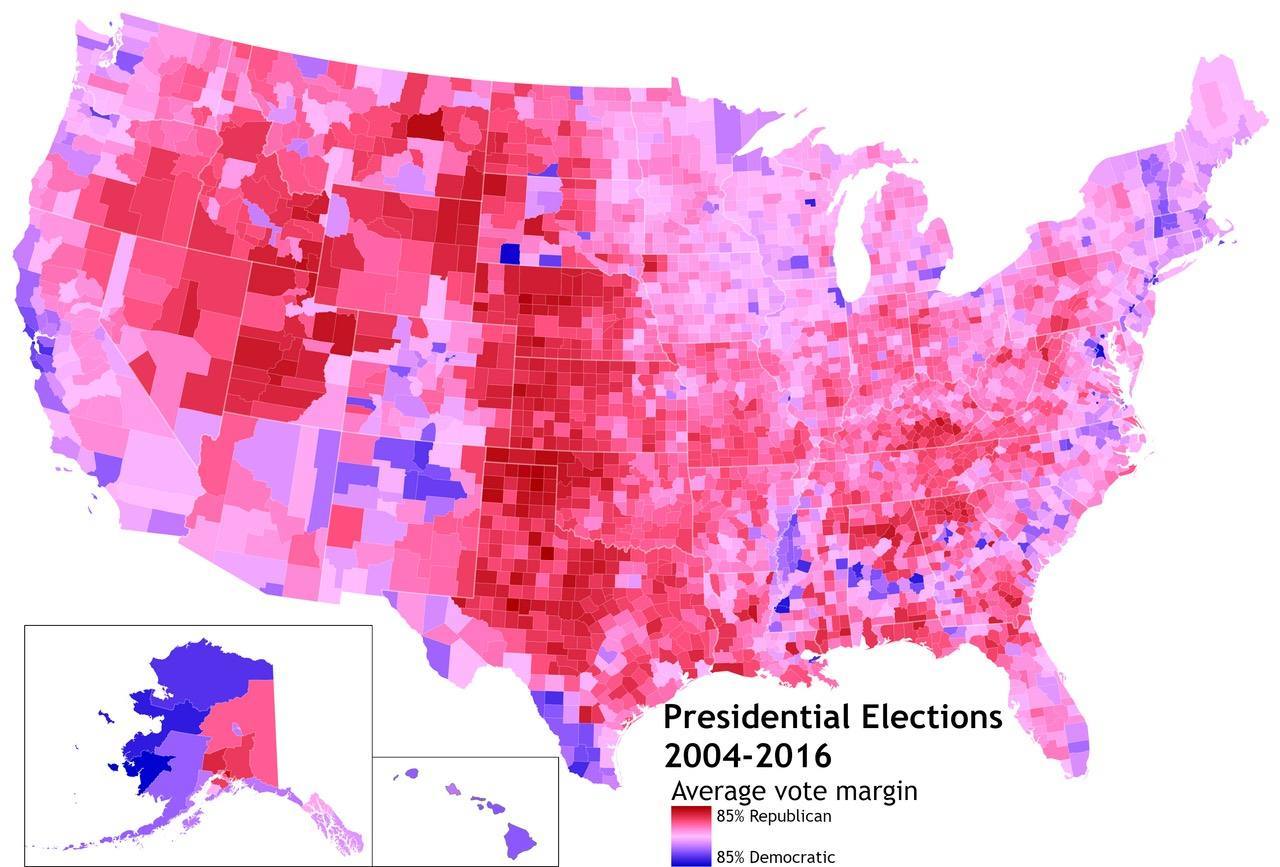
The Scandal Machine
Recent events have provided fertile ground for both sides of the political aisle to engage in their favorite pastime: pointing fingers. The left condemns the right, and the right retaliates with claims of bias and conspiracy. In this whirlwind of accusations, there lies a deeper issue that remains largely unexamined: the processes that not only permit, but almost encourage, political scandals to emerge and thrive.
From the recent investigations into various allegations of misconduct to the routine release of inflammatory statements, the underlying frameworks of our political system are often overshadowed by the spectacle of the scandal itself. The media, too, plays a significant role in this cycle, as it prioritizes the shocking narratives over the procedural failures that allowed them to arise.

The Left's Hypocrisy
The left, in its zeal to hold the right accountable, often falls into the trap of hypocrisy. They criticize the lack of transparency and accountability while simultaneously avoiding discussions about their own processes. For example, while progressives decry the alleged abuses of power within the current administration, they frequently overlook the shortcomings of their own party's internal mechanisms for accountability. The Democratic National Committee's handling of the 2016 primaries still leaves a sour taste for many, yet that issue rarely makes headlines anymore.
"In the chaos of scandal, the procedural failures are too often ignored."
The Right's Deflection
On the right, there is a tendency to dismiss scandals as mere partisan attacks, framing them as politically motivated witch hunts. This deflection not only undermines the seriousness of legitimate concerns but also obscures the failure of accountability processes within their own ranks. The consistent portrayal of political opponents as "enemies" has created an environment where substantive dialogue about accountability is deemed unnecessary or irrelevant.
While the right claims to champion individual liberties and limited government, the response to scandals often reveals a willingness to overlook misconduct in favor of partisan loyalty. This selective outrage not only weakens their credibility but also allows for a culture where scandal can thrive unchecked.
Accountability in a Partisan Age
Perhaps the most alarming aspect of the current political climate is the widespread apathy towards accountability itself. Both sides exhibit a troubling reluctance to engage with the processes that underpin our democratic institutions. Whether it is the reluctance to support campaign finance reform, the failure to address gerrymandering, or the lack of bipartisan efforts to improve oversight, the inaction speaks volumes about the priorities of our elected officials.
In a time when the public's trust in government is at an all-time low, one might expect a fervent push for reform. Instead, we witness an entrenched system where the focus remains on the spectacle of scandal rather than the ethical frameworks that should govern political behavior. The question of how to foster real accountability is sidelined in favor of partisan victories.
Moving Forward
As the nation grapples with the fallout from ongoing scandals, it is crucial to shift the conversation from the sensationalist elements of these events to the structural issues that enable them. Both left and right must find common ground in the pursuit of a more accountable political system. This includes advocating for reforms that enhance transparency, establish clearer ethical guidelines, and create robust mechanisms for addressing misconduct.
Ultimately, the scandal machine will continue to churn as long as the processes that govern political accountability remain neglected. It is time for both sides to embrace a more constructive dialogue that prioritizes the health of our democracy over partisan gain. Only then can we hope to restore trust in our institutions and engender a political culture that values integrity and accountability above all else.
✦ ✦ ✦