From the file. Written for the paper dated April 2019. Opened in the public stacks July 14, 2026.
In the fast-paced world of particle physics, the latest experiments often spark excitement and controversy. However, there exists a crucial aspect of the research process that remains shrouded in obscurity: the meticulous procedures that underpin these groundbreaking discoveries.
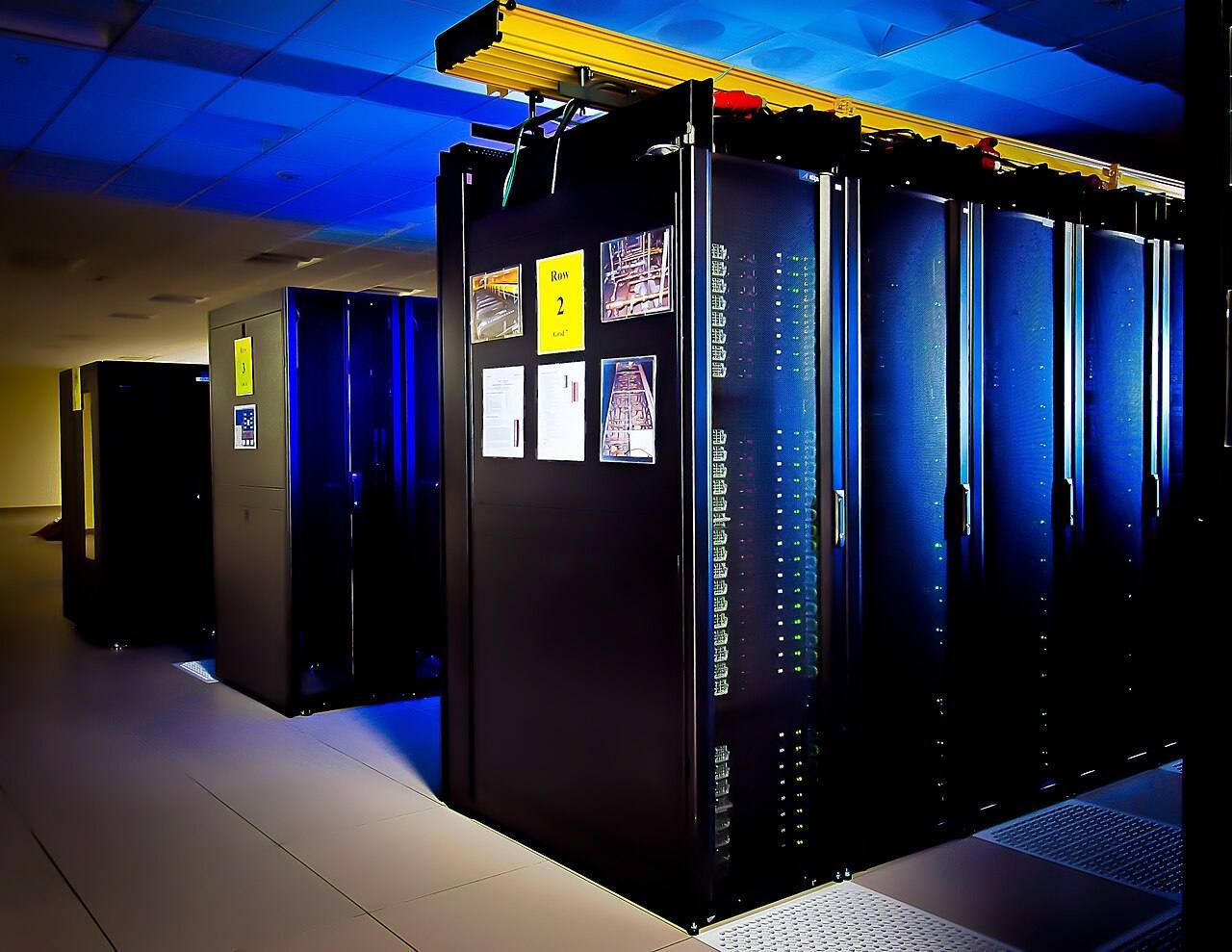
The Backbone of Particle Physics
As scientists at large laboratories around the globe celebrate their advancements in understanding the fundamental building blocks of matter, the focus often shifts away from the behind-the-scenes procedures that make this research possible. The recent particle experiments at facilities like CERN and Fermilab have captured headlines, but discussions about the extensive protocols required for these experiments often fail to receive the attention they deserve.

While the results of these experiments can lead to revolutionary insights into the nature of the universe, the procedures involved are often complex, lengthy, and fraught with potential pitfalls. This raises the question: why is there such a reluctance to discuss the procedural foundations that support these scientific endeavors?
The Hidden Challenges
Many researchers are quick to tout their findings, yet few delve into the intricate dance of preparation, calibration, and safety measures that precedes any particle collision. The truth is that behind every groundbreaking result lies a series of painstaking steps, often carried out under tight deadlines and immense pressure to produce results.

This reluctance to discuss the procedures can be attributed to several factors. For one, the scientific community often operates under a culture that prioritizes results over process. Researchers may feel that their work is judged solely by the outcomes they produce, leading to a lack of emphasis on the underlying methodologies. Furthermore, the complexity of the procedures can be overwhelming, even for seasoned scientists, which may discourage open dialogue.
Political Pressures and the Science Community
The political landscape surrounding science funding also plays a role in this silence. With government agencies and private institutions often eager to see tangible results for their investments, researchers may feel compelled to prioritize results over the necessary discussions about the experimental procedures. This can lead to an environment where short-term gains overshadow the importance of thorough procedural transparency.

In contrast, the scientific community must recognize that transparency in procedures is not only beneficial for the integrity of research but also for public trust. The more the public understands the rigorous processes involved in scientific experimentation, the more they are likely to appreciate the complexities and nuances of scientific inquiry.
"Without proper understanding of the methods, we risk alienating the very public that funds our research."
Bridging the Gap
Efforts to bridge this gap between the complexities of procedure and public understanding are underway. Some scientists advocate for better communication strategies that make the procedural aspects of experiments more accessible. This includes simplifying explanations for non-experts and emphasizing the importance of these methodologies in ensuring the validity of the results.
Moreover, as the field of particle physics continues to evolve, there is a growing recognition that collaboration across disciplines - particularly with educators and communicators - can enhance the public’s grasp of the scientific process. By fostering a culture of openness, researchers can demystify the experimental process and engage a broader audience in the conversation.
Finding Common Ground
Both sides of the political spectrum have their own stake in scientific research, often leading to polarized views. On one hand, there are those who champion funding for scientific endeavors, seeing it as a pathway to innovation and progress. On the other, there are voices that question the validity and accountability of scientific findings, particularly when they seem to contradict established beliefs.
This tension underscores the necessity for scientists to advocate for their work while simultaneously acknowledging the importance of procedural integrity. The scientific method thrives on scrutiny and debate, yet the current climate can stifle healthy discussions about methodology in favor of sensational headlines.
A Call for Change
As we move forward in the realm of particle physics, it is crucial for researchers to embrace a paradigm shift that prioritizes procedural transparency. By doing so, they can foster a more informed public discourse that appreciates the complexities of scientific research. This, in turn, can lead to a more supportive environment for funding and collaboration across various sectors.
In conclusion, the procedures behind particle experiments deserve as much attention as the results they produce. By shining a light on this often-ignored aspect of research, we can work towards a more informed and engaged society that values the scientific process in its entirety. The future of particle physics depends not only on its findings but also on the integrity of the methods that lead us there.
✦ ✦ ✦